Adré Children’s Feeding Program and Clinic Update - May 2026
Program Background
When war erupted in Sudan in April 2023, Darfur quickly became the epicenter of some of the conflict’s worst atrocities. What began as a power struggle between Sudan’s military and the paramilitary Rapid Support Forces (RSF) spiraled into a brutal, targeted campaign of violence. The largely Arab RSF launched a hate-driven assault on Darfur’s historic ethnic African communities, including the Zaghawa, Fur, and Masalit people groups.
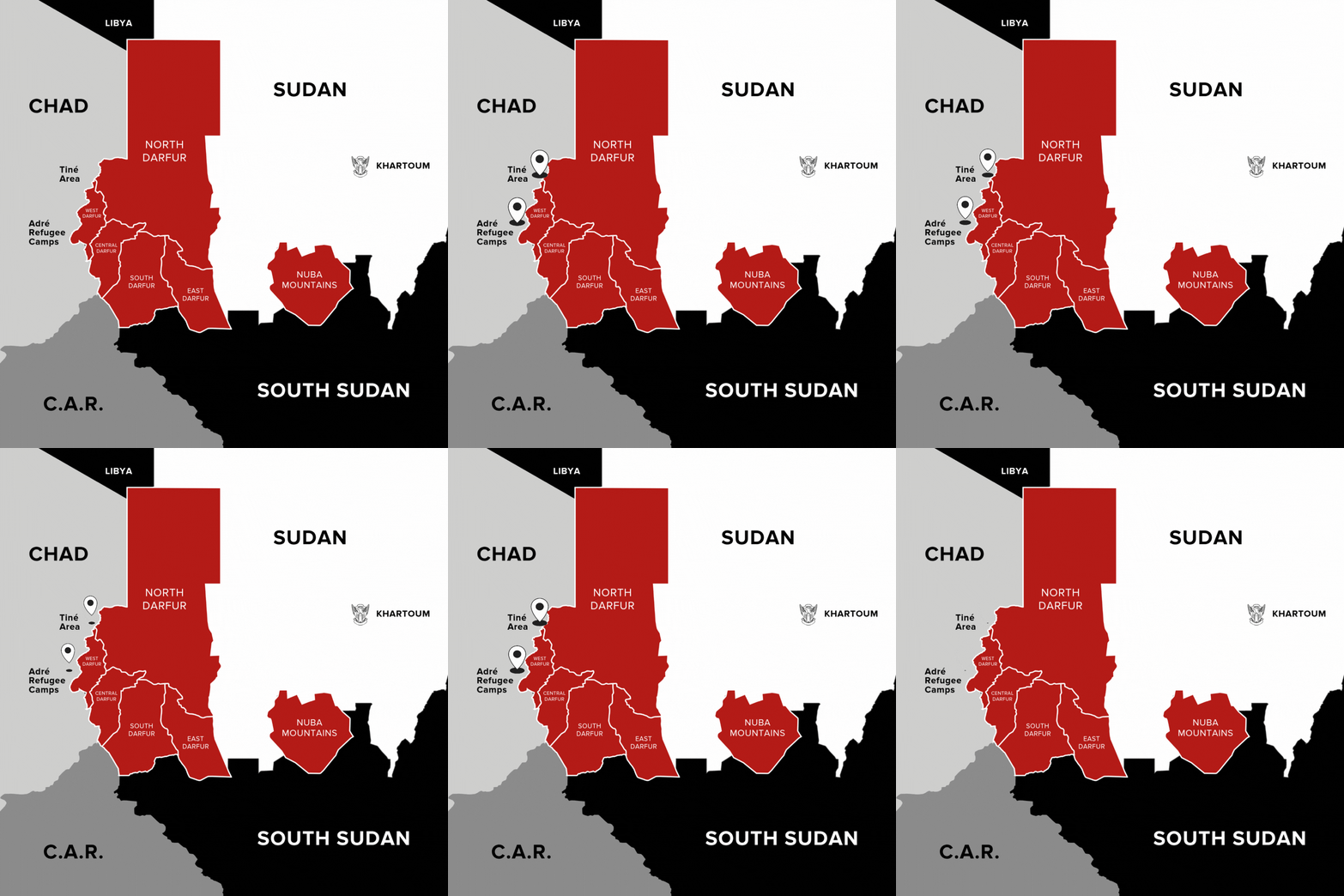
Map by Operation Broken Silence
Parts of Darfur are in famine. Refugees crossing the border into Adré, with nothing but the clothes on their backs and thousand-yard stares, tell stories of mass killings and starvation. Darfur has descended into ethnic cleansing, widespread rape, and total lawlessness under RSF occupation. Markets, farms, banks, and aid warehouses have been looted or destroyed.
In response, Operation Broken Silence is helping to support local heroes as they deliver emergency food and medical care to some of the most vulnerable refugee communities on the Sudan/Chad border. We’re supporting trusted Sudanese community leaders in two key areas:
The Adré refugee camps
The Tiné area
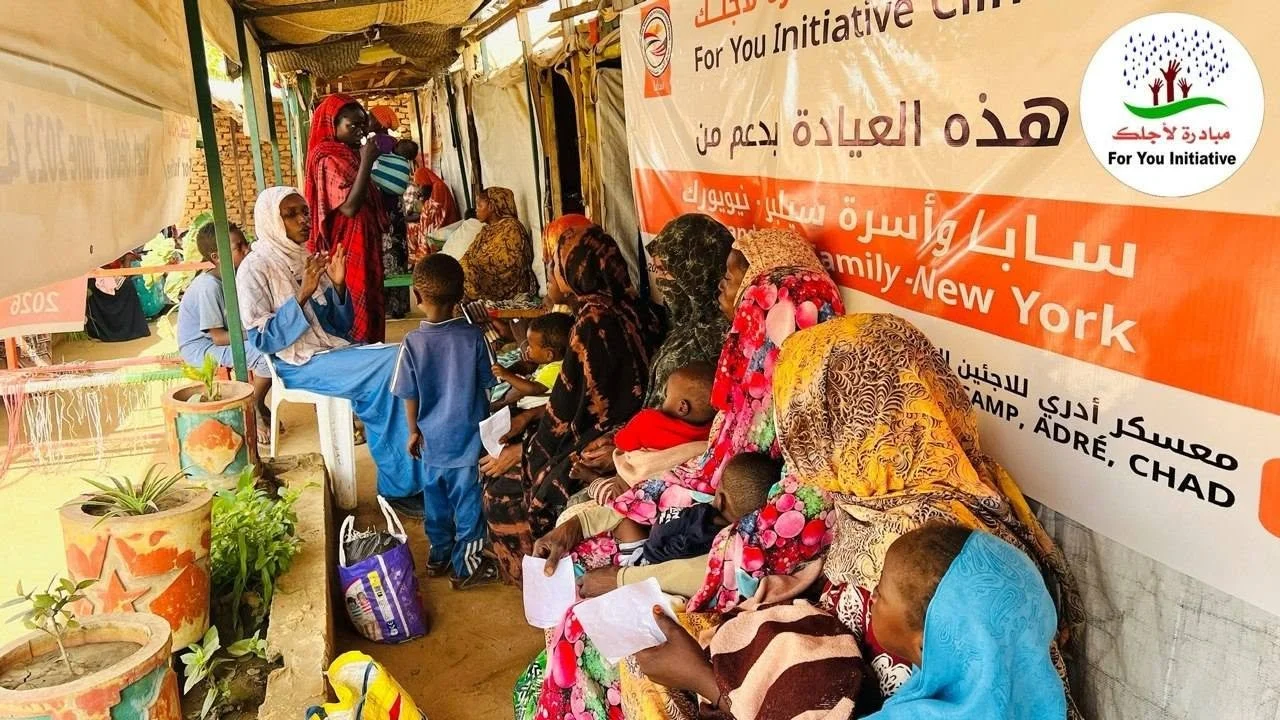
Below are important updates from the For You Children’s Feeding Center and Healthcare Clinic in Adré—both of which are refugee-led and privately funded by people like you.
May 2026 Overview
In May 2026, temperatures continued to rise steadily; however, the overall health situation in the Sudanese refugee camps in eastern Chad remained stable. Neither our clinic nor other health facilities recorded any new cases of the outbreaks that had spread in previous months.
There has been an increase in fire incidents of unknown origin across several refugee camps, resulting in significant loss of property and lives. Additionally, some camps experienced water shortages, forcing women and children to walk long distances or spend long hours in queues under extreme heat to obtain water.
Eastern Chad has become a major commercial hub due to cross-border trade between western Sudan and Chad. The entire region is under Rapid Support Forces (RSF) control and is administratively cut off from northern Sudan. This situation has negatively impacted refugees, as living and healthcare costs have sharply increased.
In mid-May 2026, a delegation from the Sudanese American Physicians Association (SAPA) visited the Sudanese refugee camps in eastern Chad to assess the general situation, including the health conditions. The delegation visited the For You Initiative Clinic and provided a substantial quantity of IV fluids and some medications that could help alleviate suffering and increase daily patient intake.
The delegation recommended signing a Memorandum of Understanding between SAPA and the For You Initiative, whereby SAPA would support the clinic with medications, consumables, and partial coverage of staff incentives for three months, renewable. However, some arrangements within the agreement are still pending finalization.
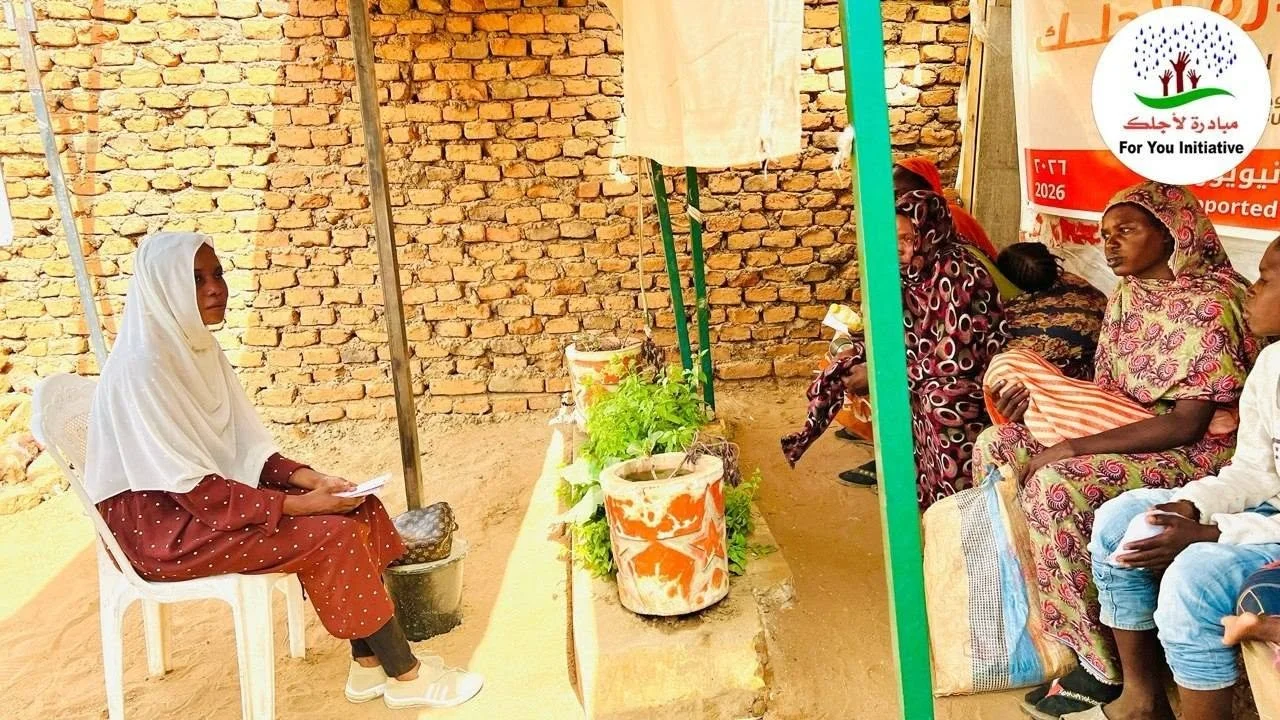
Since the beginning of May, due to construction activities carried out by the landowners, the clinic lost one-third of its space. This resulted in the displacement of the Emergency–Short Stay Unit and the Obstetrics & Gynecology room, which had to be relocated to another room. Consequently, the number of consultation rooms decreased, and the clinic’s overall space became significantly constrained. The team was unable to organize Eid al-Adha prayers inside the clinic’s tent this year, but they contributed to organizing the prayer with the refugee community in another location.
Construction activities also damaged the emergency unit, two rooms, and the patient waiting shade. This forced us to dismantle them to facilitate construction and later rebuild them, incurring unexpected costs that affected the monthly operational budget.
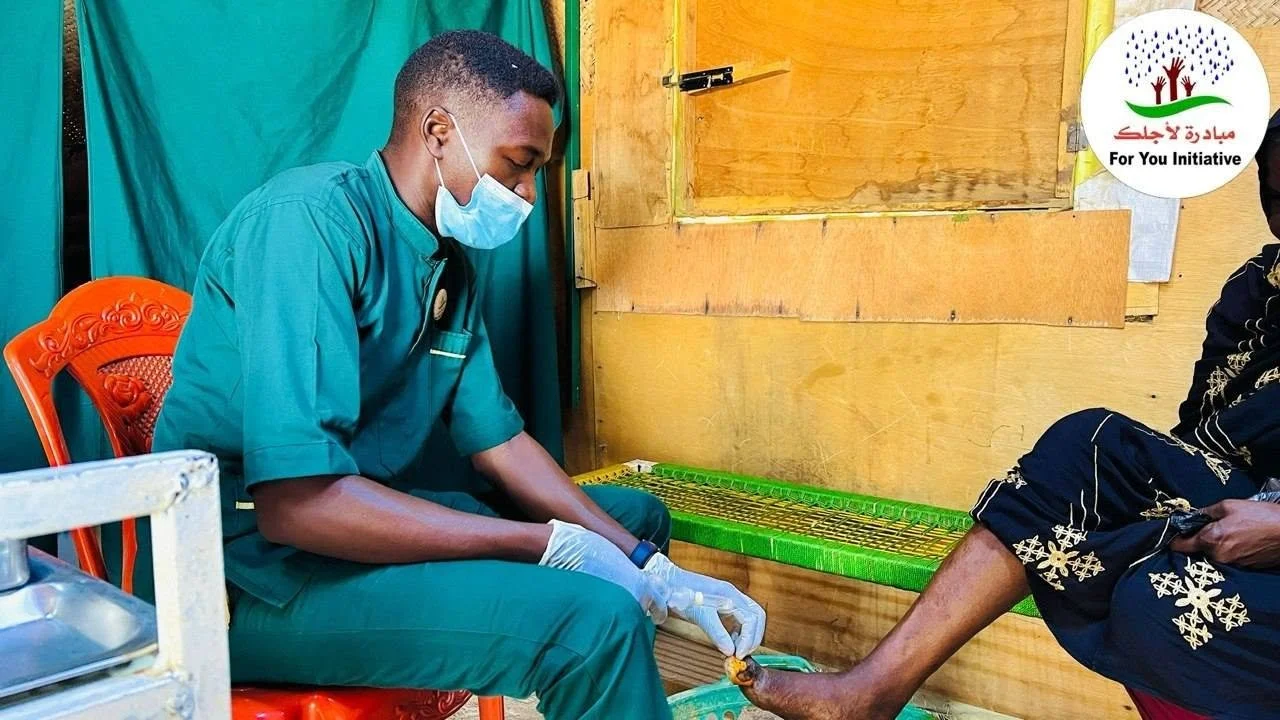
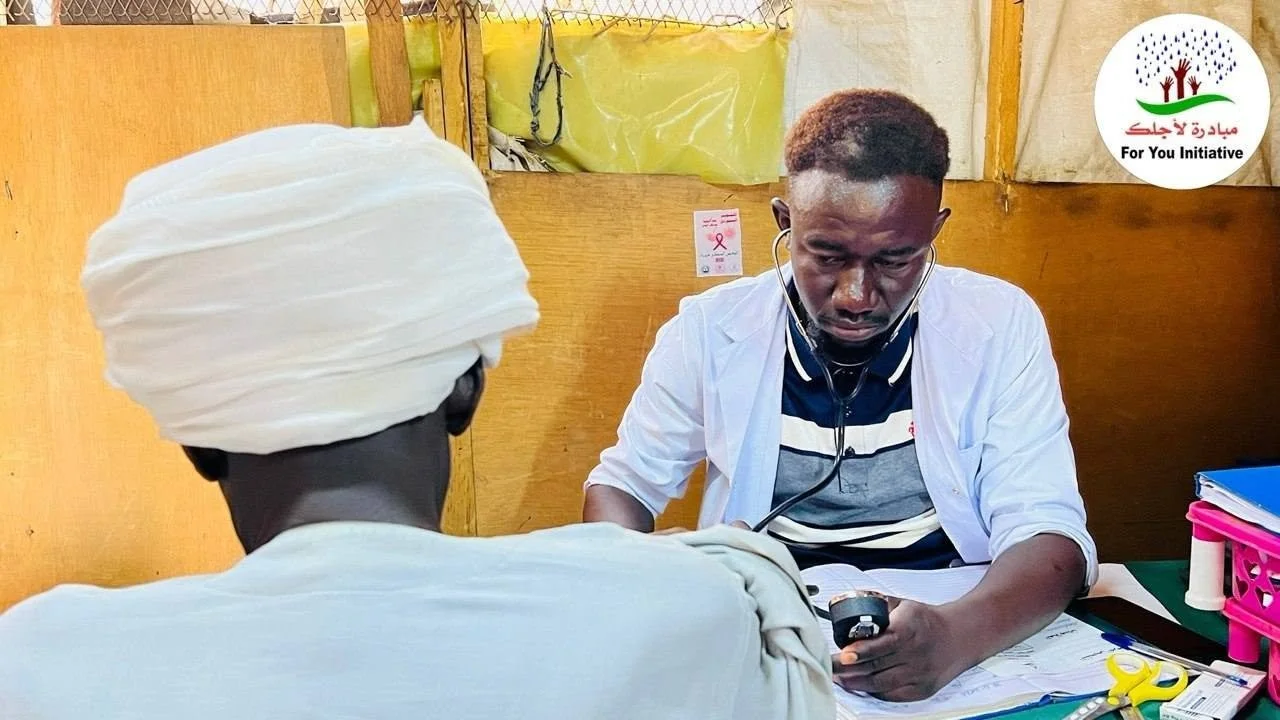
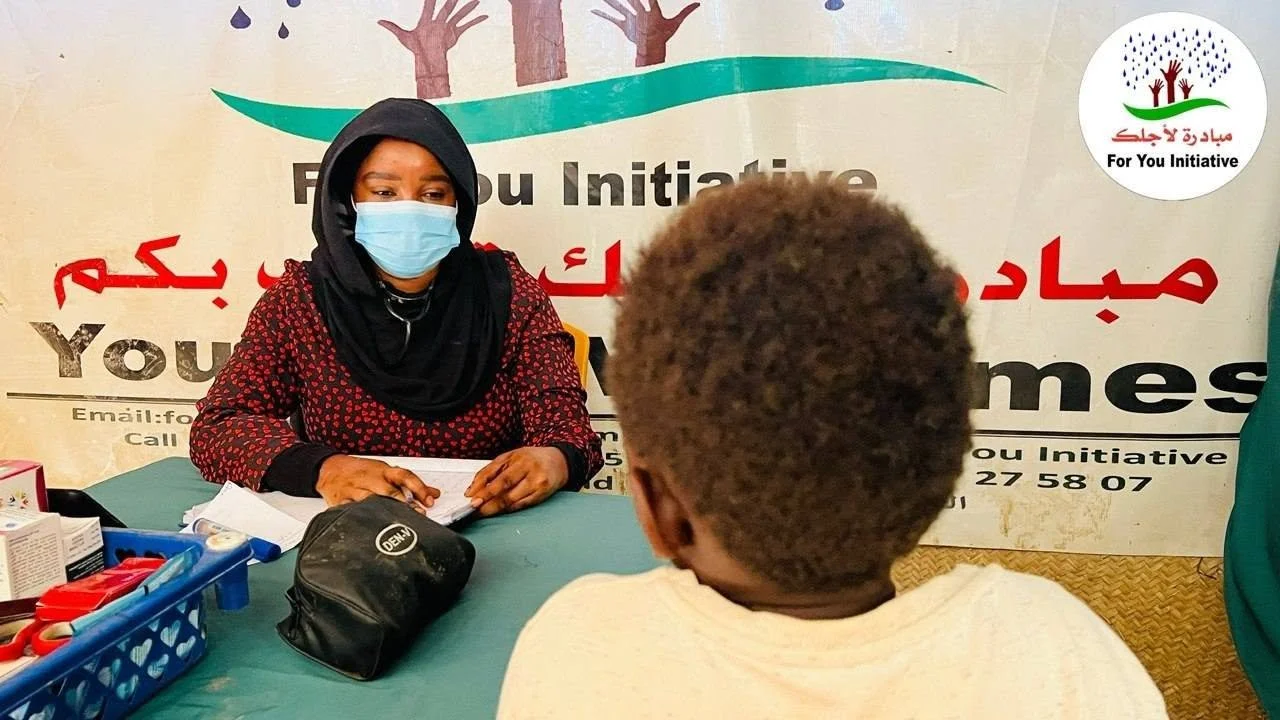
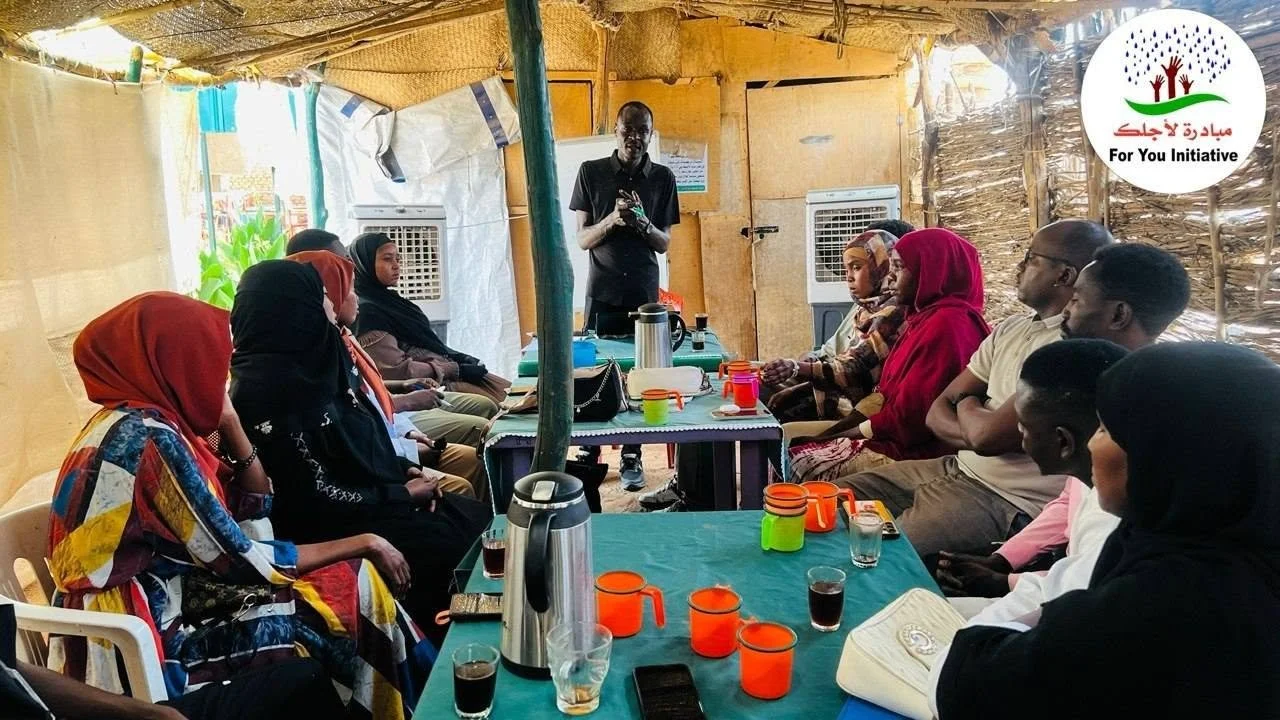
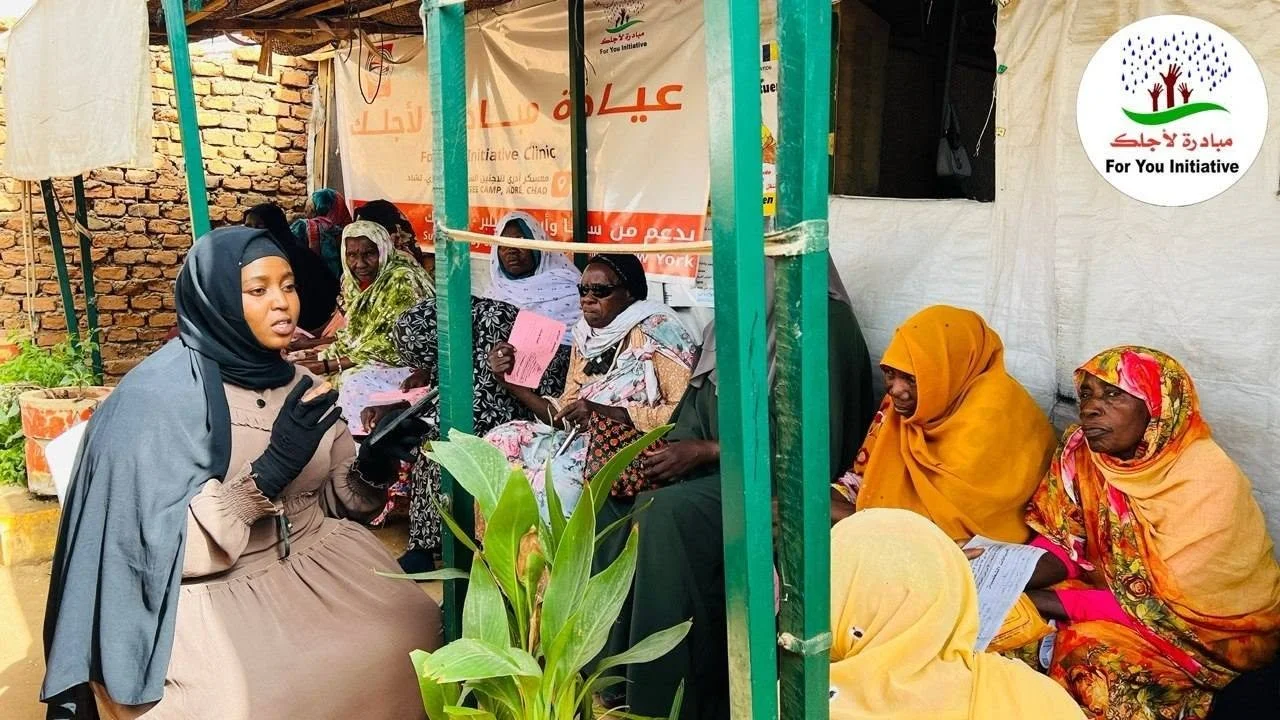
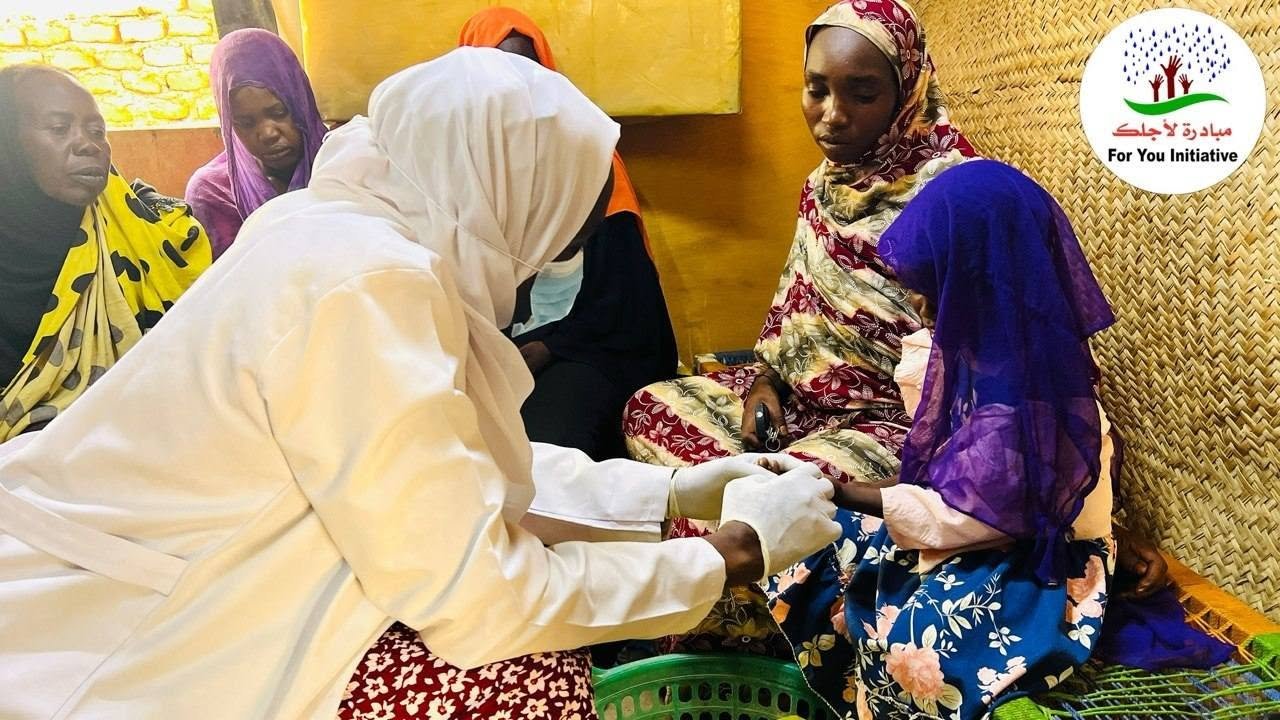
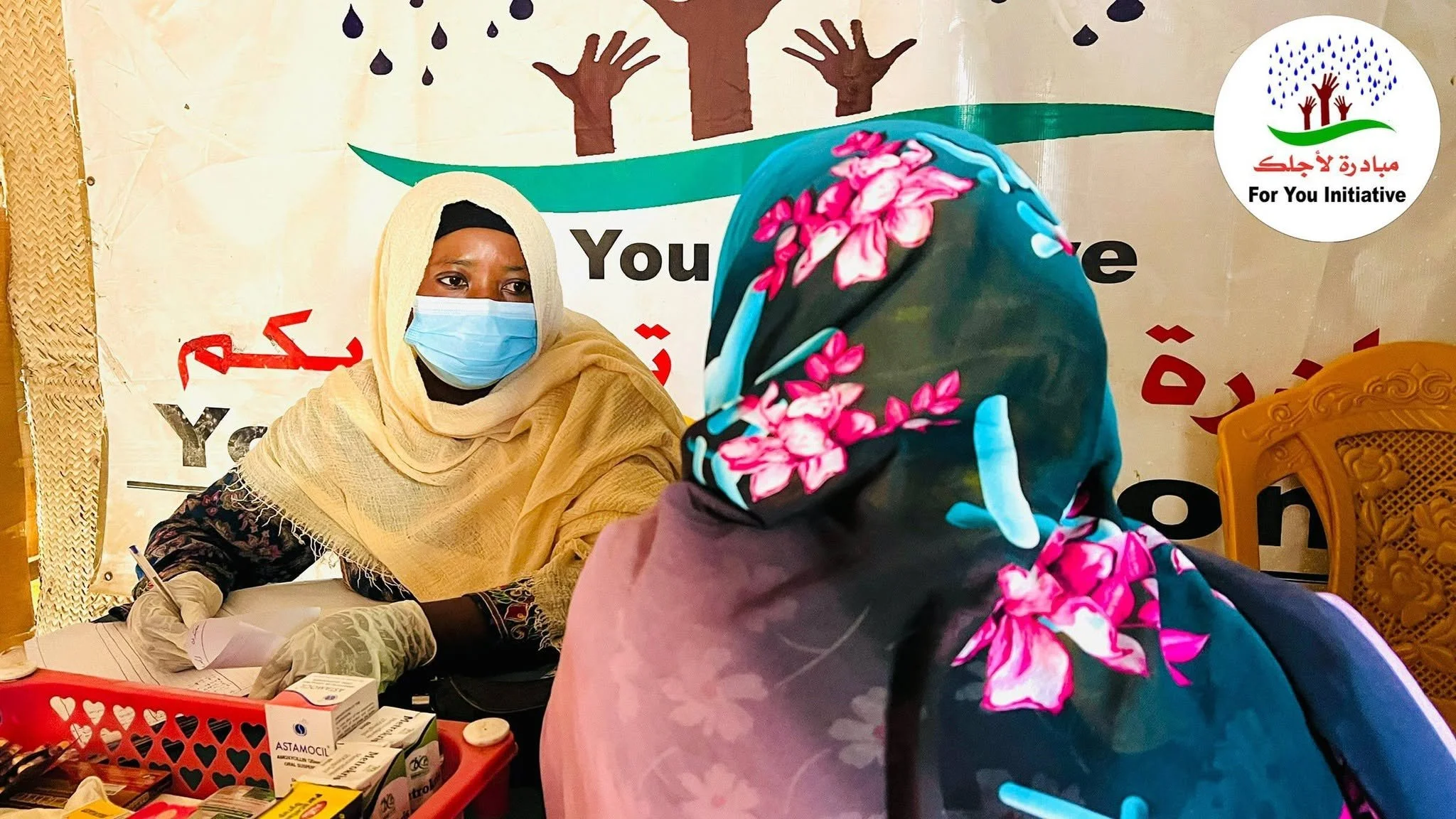
Departmental Activities
Total patient visits: 1,354 - Women: 53.5% Children: 22.5% Men: 24%
Most common illnesses: Pelvic inflammatory diseases among women, urinary tract infections, gastrointestinal and respiratory diseases, with an increase in malaria cases.
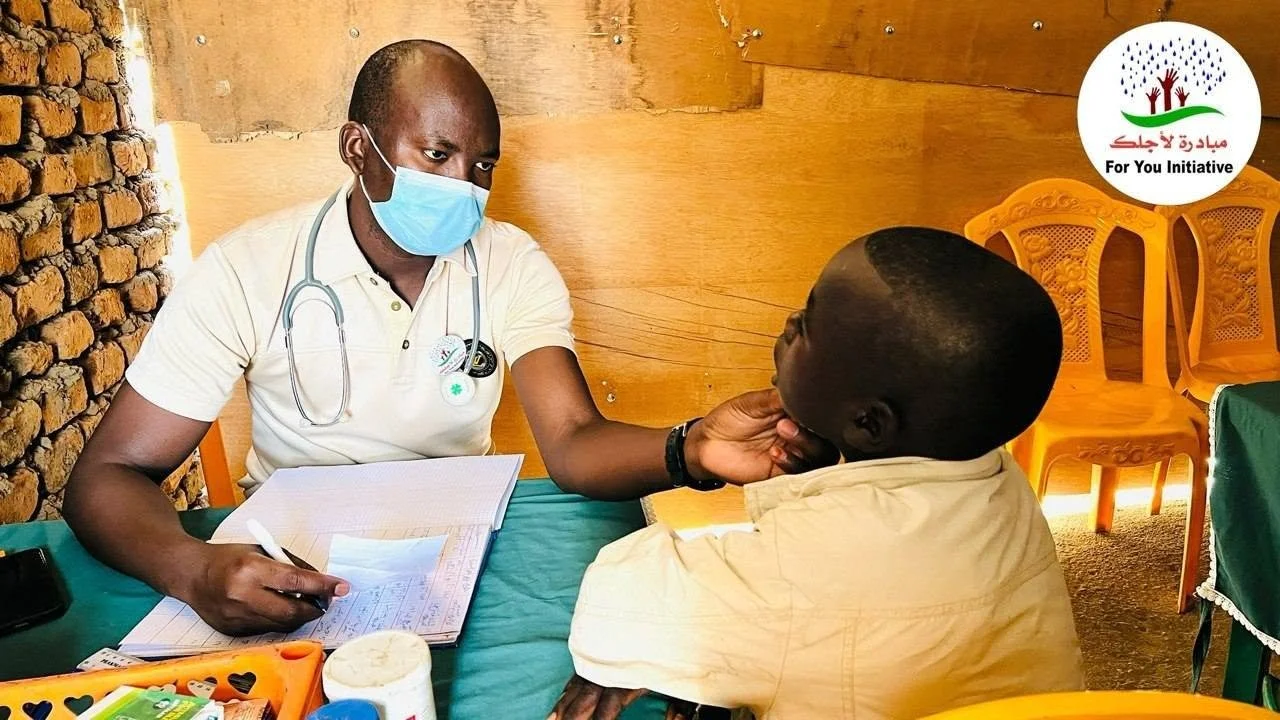
General Medical Consultation: 583
Chronic Diseases Clinic: 211
Obstetrics & Gynecology Clinic: 49
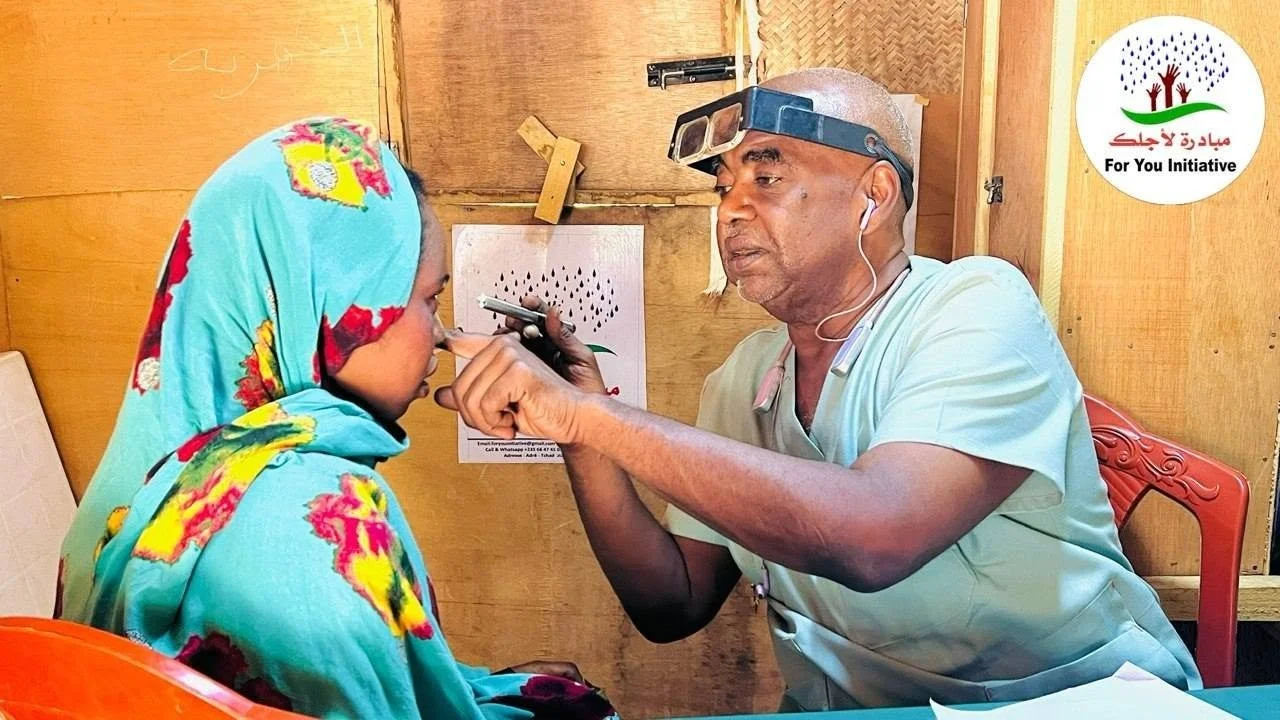
Ophthalmology Clinic: 90
Dental Clinic: 59
Emergency & Short-Stay Department: 0
Nursing & Minor Department: 231
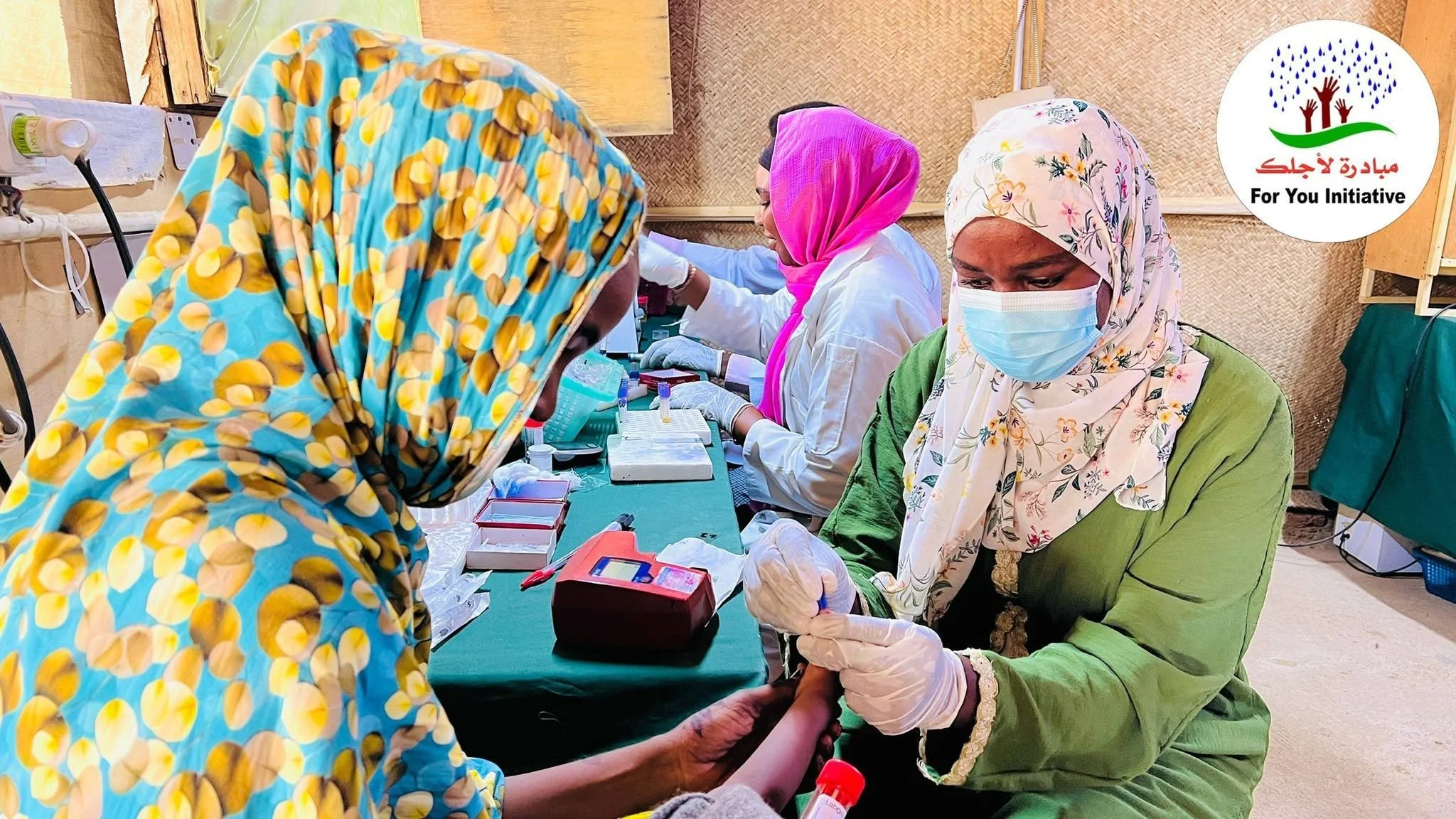
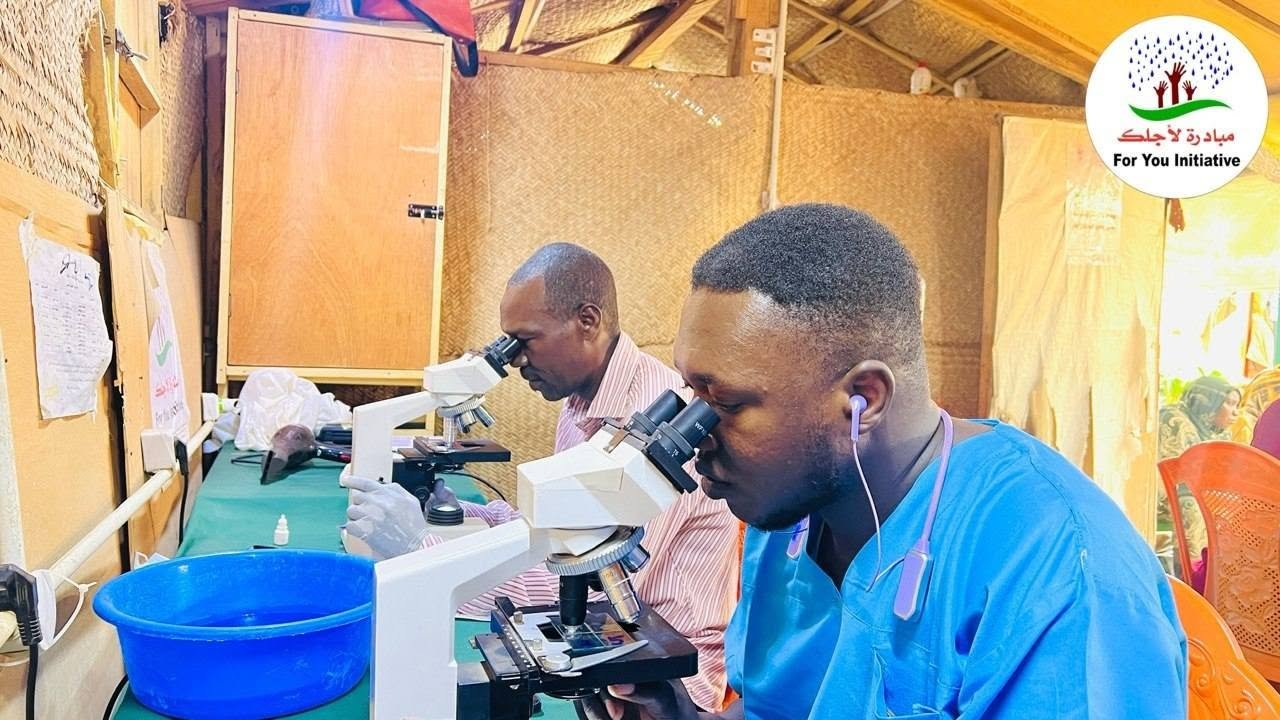
Laboratory Department: 734 patients, 1,572 tests
Awareness & Counseling Department:
Individual sessions: 3
Group sessions: 20
Topics included: complications of hypertension and diabetes, heart diseases, kidney failure, vascular problems and strokes, pregnancy-induced hypertension, heatstroke, and eye diseases.
Training Department: Conducted a general workshop on mental distraction and time management and continued supervising trainees across departments.
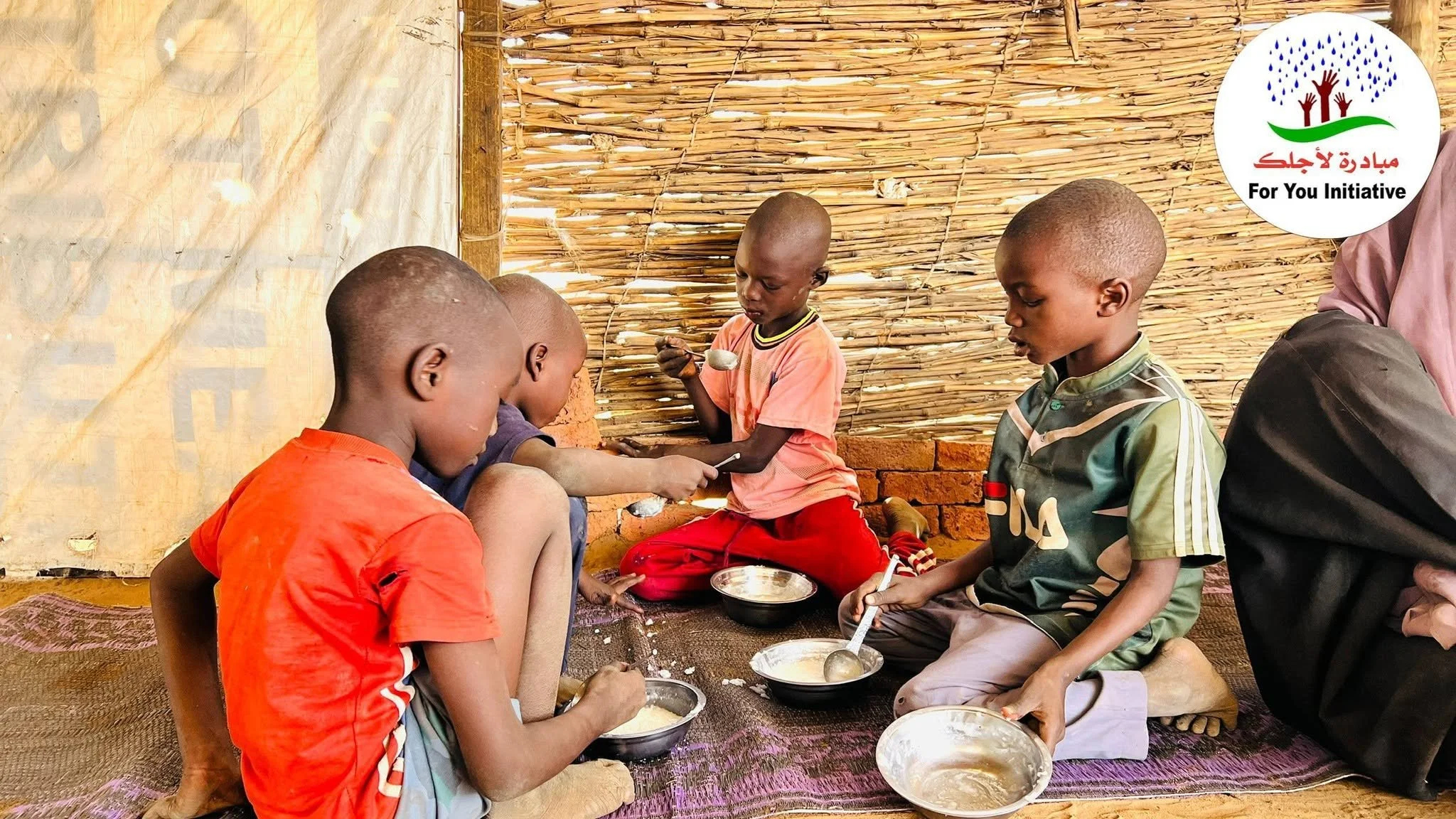
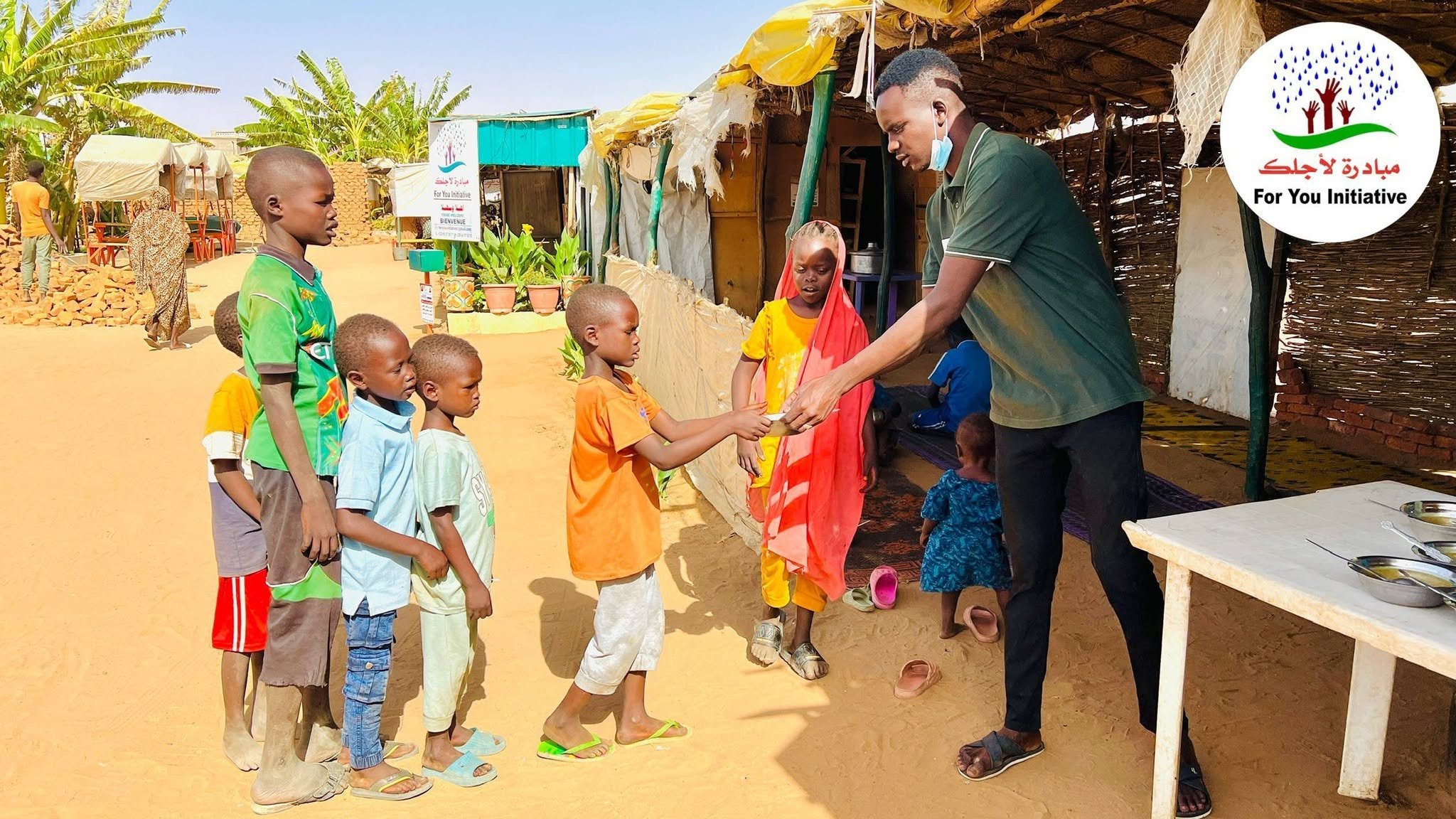
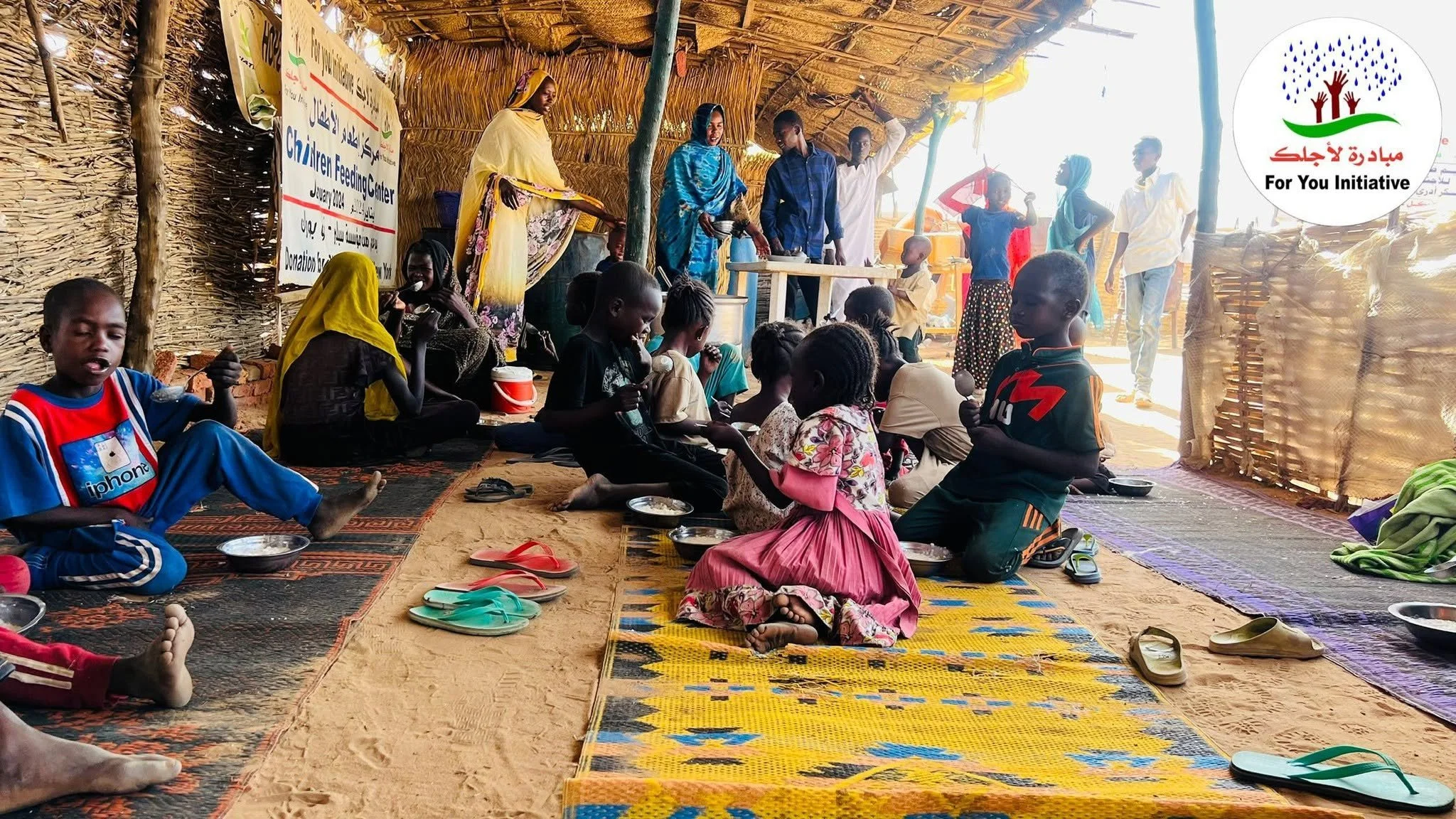
Feeding Center: Provided approximately 3,000 meals to children, staff, and caregivers. Due to construction near the center, staff were unable to provide meals consistently and regularly.
Recommended Needs:
Improve incentives and increase support for breakfast meals to retain staff.
Construct an Emergency–Short Stay Unit before the rainy season, when diseases —especially malaria— significantly increase.
Consider establishing an annual maintenance budget for the clinic and ensure the availability of malaria medications before the rainy season in July.
With the rainy season approaching and disease rates rising, commercial health centers often seek to recruit staff with attractive incentives. Therefore, we emphasize the importance of improving volunteer incentives and enhancing the work environment to retain them, especially given the shortage of available medical personnel—such as doctors and laboratory technicians—in Adré,
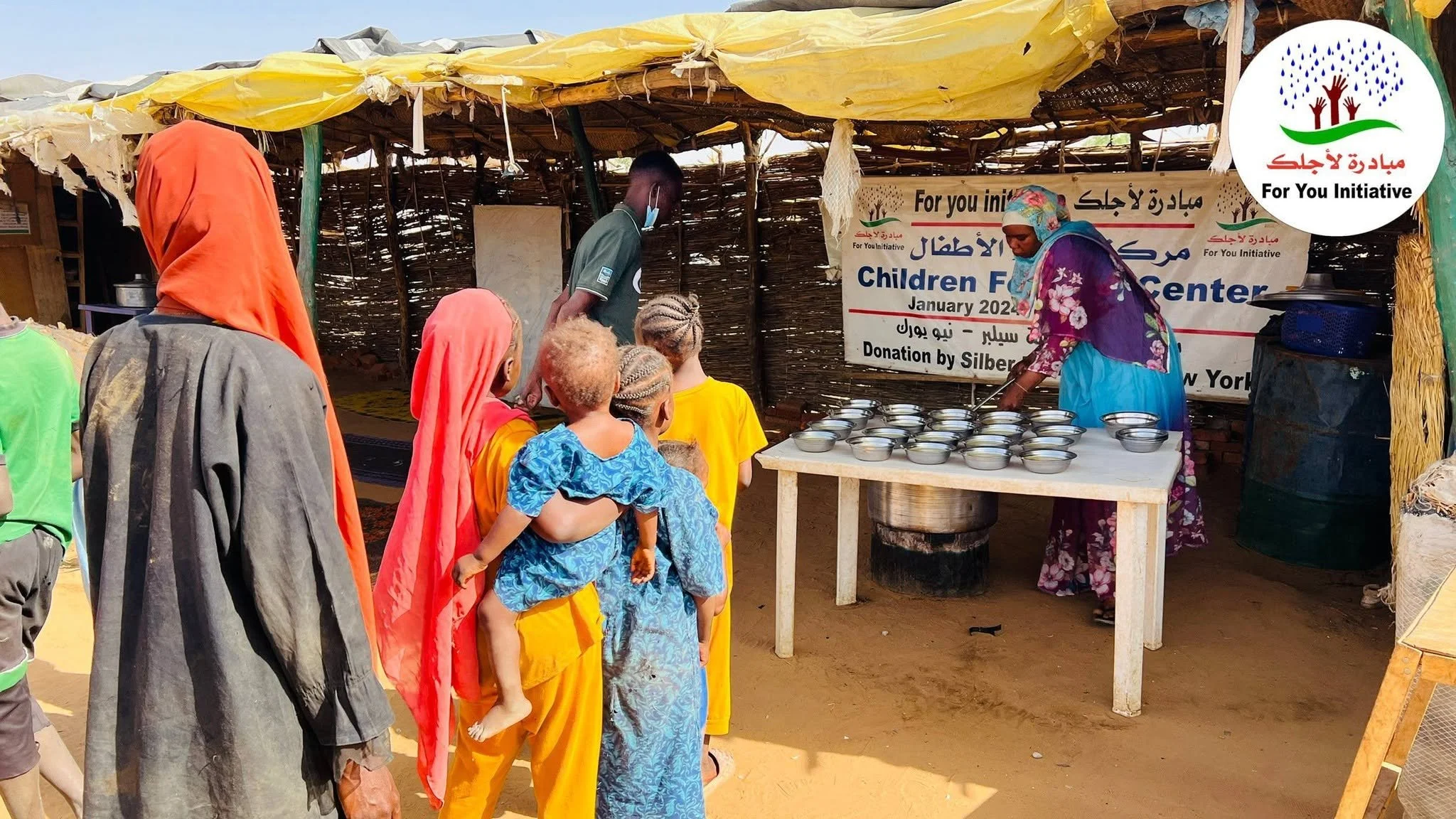
Current conditions in Adré
The situation Sudanese refugees face in eastern Chad is a protracted humanitarian emergency. People fleeing ethnic cleansing and famine face hunger and disease after arriving at one of the 30+ informal border crossings, many having walked for days carrying only what they could, including mothers and children weakened by hunger and trauma. The scale of this crisis is staggering:
The number of Sudanese refugees in eastern Chad has surged to almost 933,000 people.
87% of those registered are women and children, of which 25% are adult women.
Over 227,000 refugees are currently settled in the Adré area, more than five times the town’s original population.
13% have registered refugees specific needs, including people with disabilities, single parents, or those who are at-risk.
Source: UNHCR CHAD | CORE Sudan Emergency Situation (June 2026)
These heroes need your help
The needs in Adré are urgent and growing every week. Right now, it takes a minimum of $8,500 each month to keep the For You Child Feeding Center & Clinic running at minimal capacity. This covers everything from medical supplies and health awareness to hot meals for vulnerable children to basic medication for patients that couldn’t afford it otherwise.
These programs can expand with even more funding. Thousands are still waiting for care. Countless children go to bed hungry every night. You can help change that. In a place where hope is in short supply, your generosity means more than you can imagine.
Checks can be made payable to Operation Broken Silence with Adré written in the memo line and mailed to PO Box 770900 Memphis, TN 38177-0900. You can also donate stock while adding a note specifying your gift is for Adré.
Thank you for taking the time to receive this update. Please support us today.