Adré Children’s Feeding Program and Clinic Update - February and March 2026
Program Background
When war erupted in Sudan in April 2023, Darfur quickly became the epicenter of some of the conflict’s worst atrocities. What began as a power struggle between Sudan’s military and the paramilitary Rapid Support Forces (RSF) spiraled into a brutal, targeted campaign of violence. The largely Arab RSF launched a hate-driven assault on Darfur’s historic ethnic African communities, including the Zaghawa, Fur, and Masalit people groups.
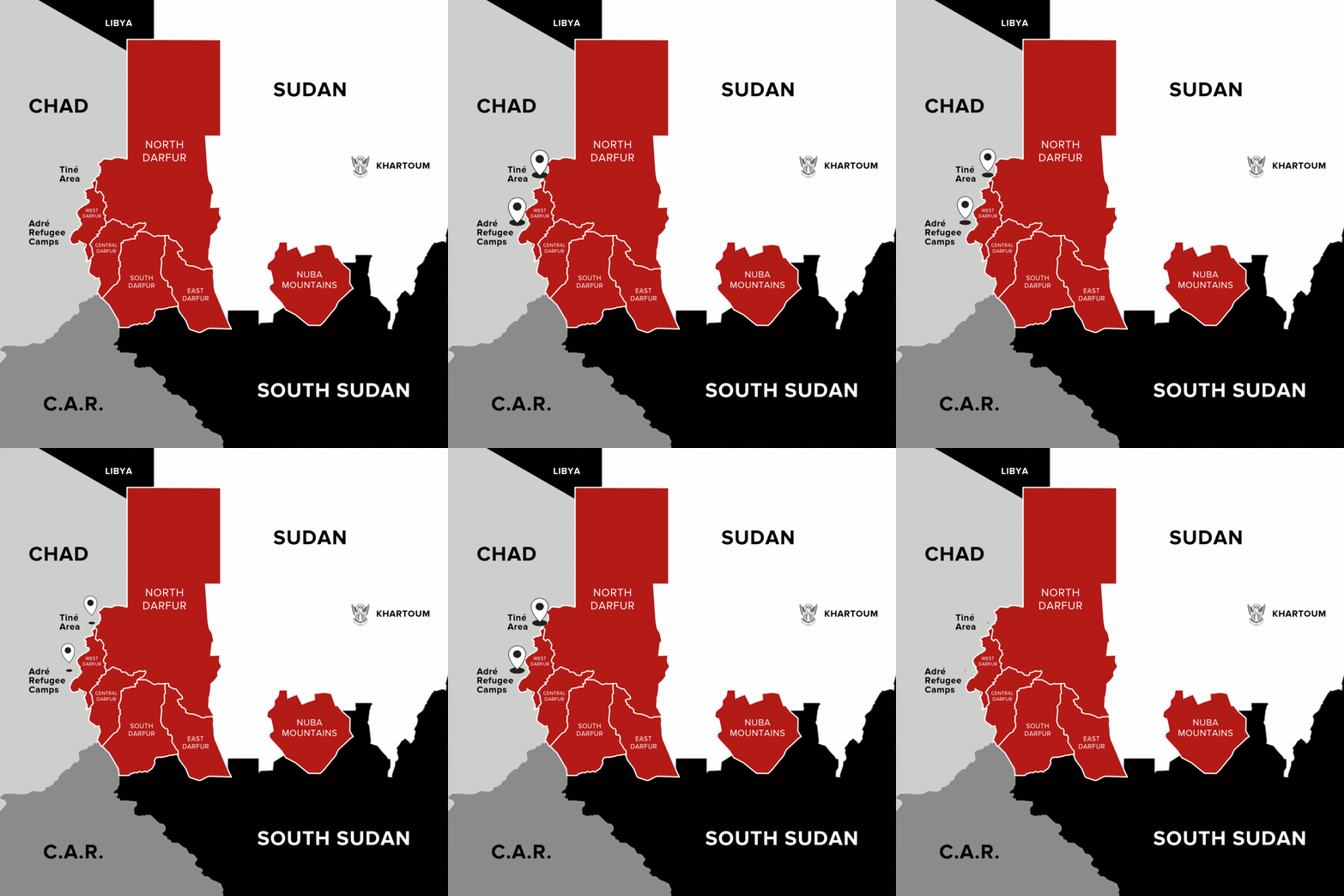
Map by Operation Broken Silence
Parts of Darfur are in famine. Refugees crossing the border into Adré, with nothing but the clothes on their backs and thousand-yard stares, tell stories of mass killings and starvation. Darfur has descended into ethnic cleansing, widespread rape, and total lawlessness under RSF occupation. Markets, farms, banks, and aid warehouses have been looted or destroyed.
In response, Operation Broken Silence is helping to support local heroes as they deliver emergency food and medical care to some of the most vulnerable refugee communities on the Sudan/Chad border. We’re supporting trusted Sudanese community leaders in two key areas:
The Adré refugee camps
The Tiné area
Below are important updates from the For You Children’s Feeding Center and Healthcare Clinic in Adré—both of which are refugee-led and privately funded by people like you.
February-March 2026 Overview
There are now unprecedented humanitarian challenges in eastern Chad. Intensified fighting along the Sudan–Chad border resulted in a significant increase in the influx of refugees, before the closure of the border further worsened living conditions, as refugees lost access to informal livelihood activities that previously helped them meet basic needs.
During this period, several disease outbreaks spread among refugees and host communities, including chickenpox, measles, and most recently viral meningitis. Local authorities officially reported approximately 30 deaths due to meningitis, though unofficial estimates suggest much higher numbers due to the lack of medical examination prior to burial. As of the date of the end of March, no vaccination campaigns have been launched despite the unusually high temperatures. Consequently, the health situation in eastern Chad has become fragile and may escalate into a major humanitarian crisis without urgent intervention.
Departmental Activities
1. Medical Consultation Room – General Practitioner
Patients received: 3,496
Children: 40%, Women: 32%, Men: 28%
Disease count: 4,155
Most prevalent diseases: Gastrointestinal diseases (notably increased during Ramadan due to contamination and poor hygiene), Urinary tract infections, Typhoid, Recurrent hepatitis B, Chickenpox and measles outbreaks and very low malaria incidence
2. Chronic Diseases Clinic
Patients: 1,470
Approximately 700 patients are registered.
Due to limited capacity, the clinic has suspended the registration of new chronic disease patients.
3. Gynecology and Obstetrics Clinic
Patients: 312
Provided antenatal and gynecological services twice weekly.
Starting April, services will be reduced to once weekly due to the departure of a specialist.
4. Eye Clinic
Patients: 707 (despite lack of dedicated funding)
69 patients referred for surgery at their own expense.
Cost of eye care and specialist transport ranges from $100–150.
Donor support is urgently needed to sustain this service.
5. Dental Clinic
Launched as a pilot project in March.
Received 35 patients in its second week; 7 referred for surgery at the clinic’s expense.
Expansion is limited by insufficient funding.
6. Emergency & Short-Stay Ward
Patients: 427
No critical cases recorded.
Most cases involved gastrointestinal and urinary diseases, bleeding, and respiratory distress.
7. Nursing & Minor Surgery Unit
Patients: 435
Most activities involved injections, wound care, and burn management.
8. Laboratory Department
Patients tested: 2,397
Total tests conducted: 4,740
High demand for random blood sugar tests during Ramadan.
Most diagnoses involved gastrointestinal and urinary diseases, with persistent hepatitis B and typhoid cases.
9. Health Education & Counseling Unit
Conducted 36 group sessions and 14 individual sessions during Ramadan.
Religious counselors supported fasting-related guidance.
Feedback indicated strong positive impact.
10. Media & Public Relations Department
Continued documentation and archiving of activities.
Activity reduced due to staff shortages.
Coordinated with the Clinic Support Committee regarding disposal of an unused delivery bed.
Received a visit from MSF Spain to assess chronic disease services.
11. Training Department
Delivered three workshops on research methodology, report writing, and administrative organization.
No workshops held after mid-February due to reduced working hours and extreme heat.
12. Child Feeding Center
Provided 7,235 meals in February and March through the clinic’s feeding center, supported by Operation Broken Silence.
The Aashtana sector feeding center provided 4,500 meals in March, supported by the Islamic Center and individual donors.
13. Donations and Special Activities
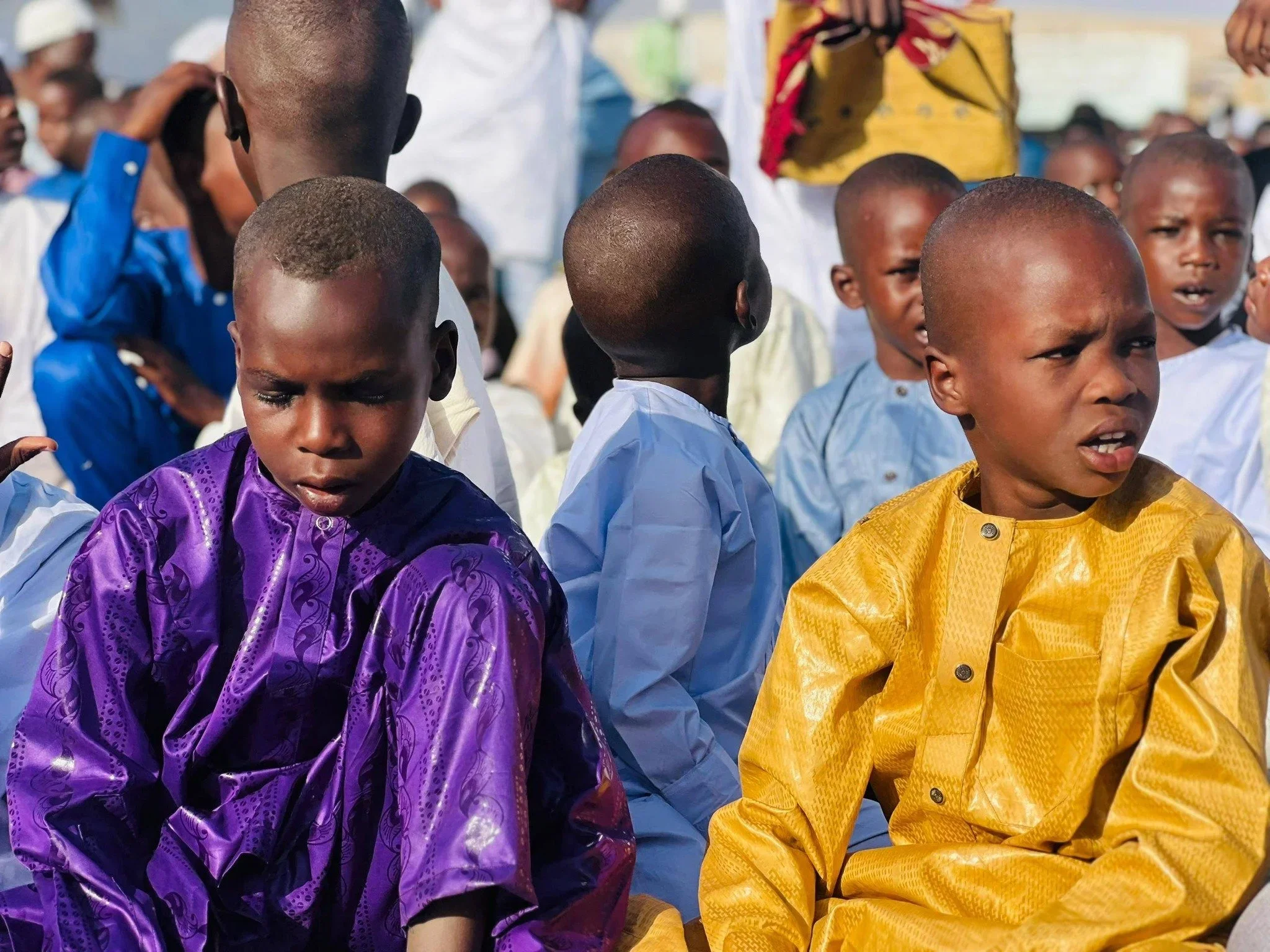
Distribution of used clothing to children and families during Eid al-Fitr.
Distribution of 13 food parcels to vulnerable families in Adré camp.
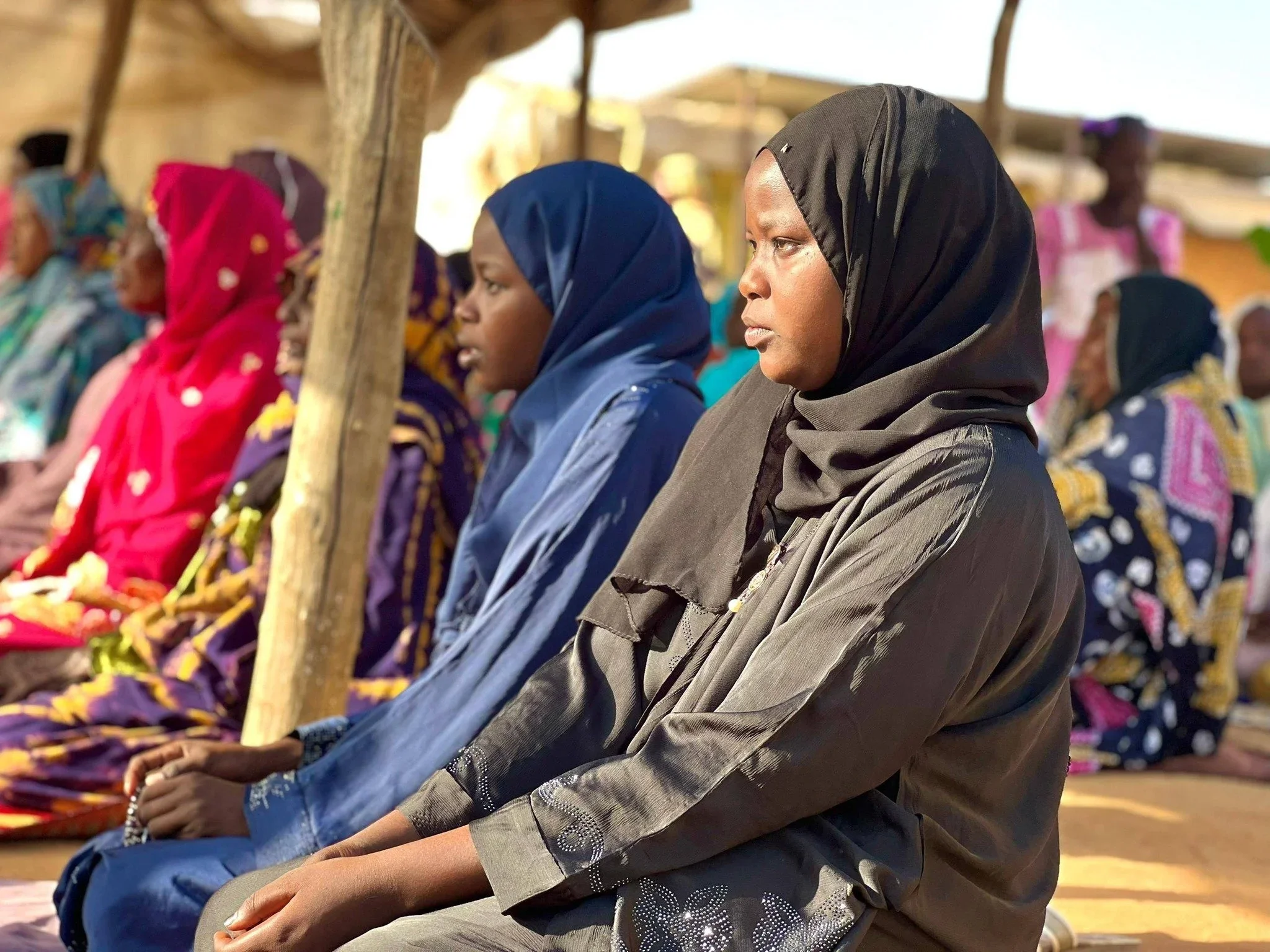
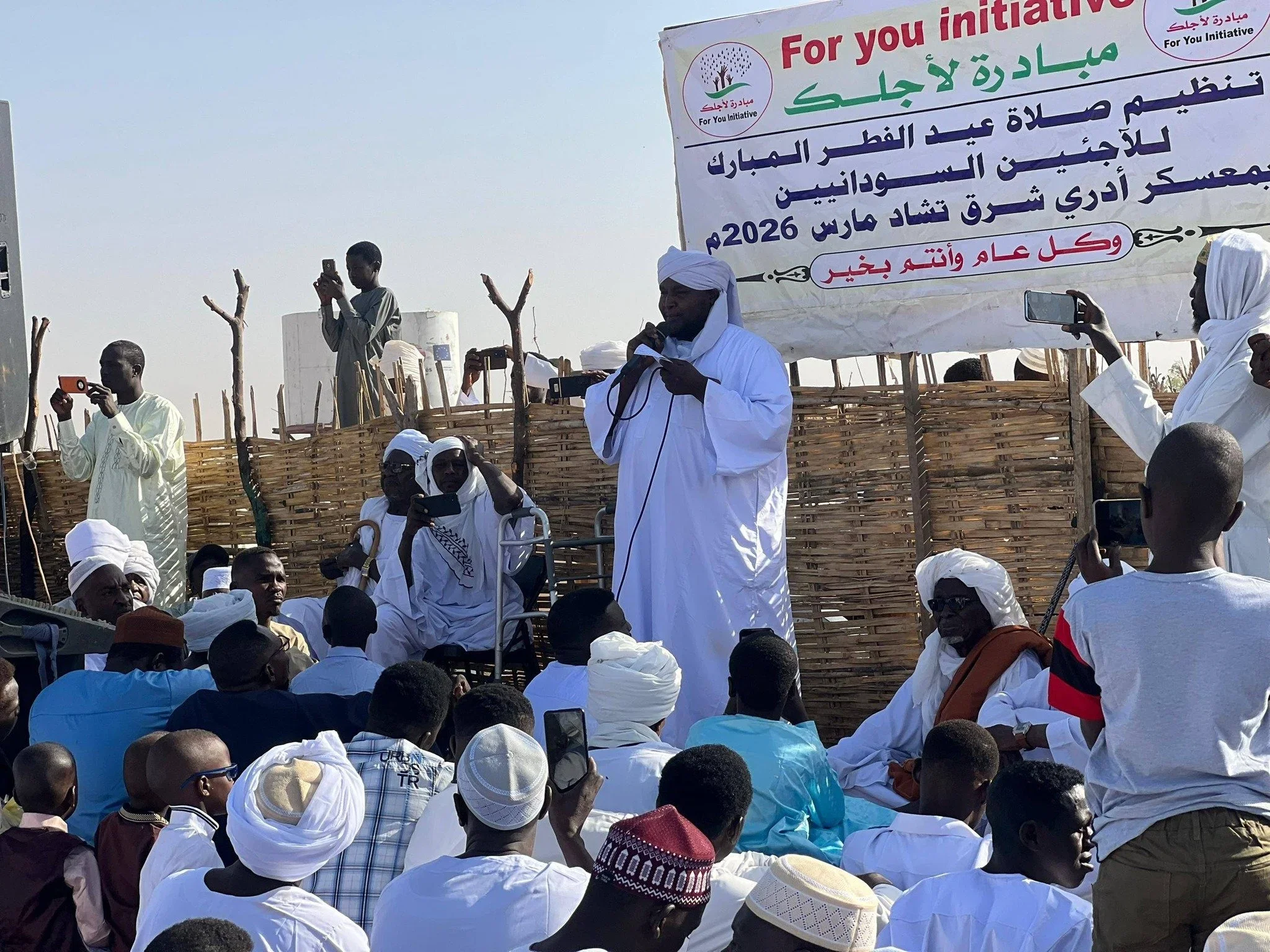
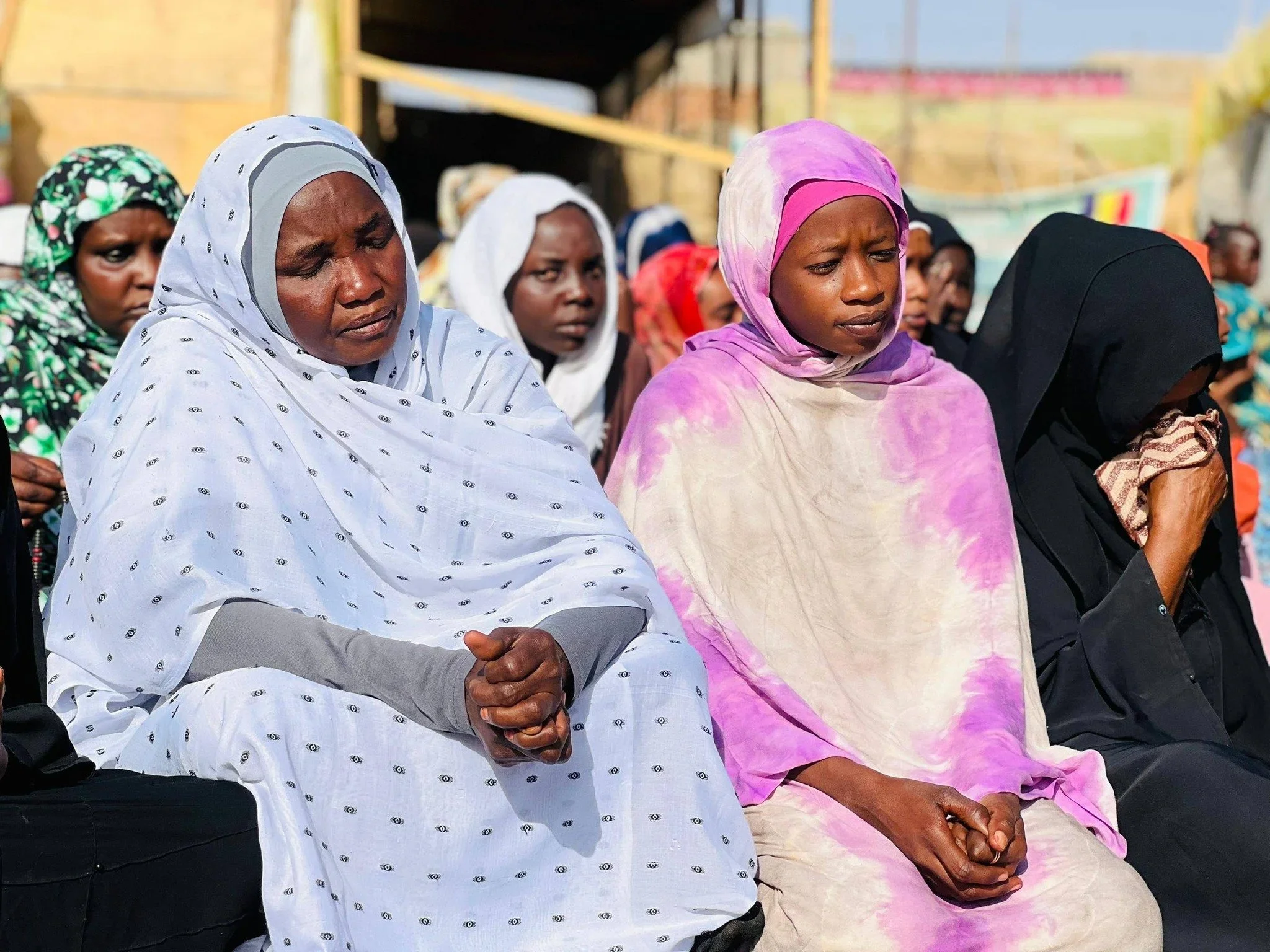
Organization of the annual Ramadan iftar and Eid prayers at the clinic.
We received fund from Darfurians in New York, where we provided drugs for chronic diseases.
14. Challenges for the For You Initiative
Shortage of medical personnel, particularly laboratory staff and physicians. By April, the clinic will have no general practitioner.
Increased operational costs due to the rise in patient numbers. Shortages of chronic disease medications previously sourced from Sudan due to border closure.
Landowners of the clinic site have expressed their intention to reclaim their land, posing a risk of complete clinic shutdown.
Current conditions in Adré
The situation Sudanese refugees face in eastern Chad is a protracted humanitarian emergency. People fleeing ethnic cleansing and famine face hunger and disease after arriving at one of the 30+ informal border crossings, many having walked for days carrying only what they could, including mothers and children weakened by hunger and trauma. The scale of this crisis is staggering:
The number of Sudanese refugees in eastern Chad has surged to almost 918,000 people.
87% of those registered are women and children, of which 25% are adult women.
Over 235,000 refugees are currently settled in the Adré area, more than five times the town’s original population.
13% have registered refugees specific needs, including people with disabilities, single parents, or those who are at-risk.
Source: UNHCR CHAD | CORE Sudan Emergency Situation (March 2026)
These heroes need your help
The needs in Adré are urgent and growing every week. Right now, it takes a minimum of $8,500 each month to keep the For You Child Feeding Center & Clinic running at minimal capacity. This covers everything from medical supplies and health awareness to hot meals for vulnerable children to basic medication for patients that couldn’t afford it otherwise.
These programs can expand with even more funding. Thousands are still waiting for care. Countless children go to bed hungry every night. You can help change that. In a place where hope is in short supply, your generosity means more than you can imagine.
Checks can be made payable to Operation Broken Silence with Adré written in the memo line and mailed to PO Box 770900 Memphis, TN 38177-0900. You can also donate stock and cryptocurrency while adding a note specifying your gift is for Adré.
Thank you for taking the time to receive this update. Please support us today.
Shareables
Short statements you can share online and with others. Simply copy and paste.
When war erupted in Sudan in April 2023, Darfur quickly became the epicenter of some of the conflict’s worst atrocities, sparking off a protracted humanitarian emergency for refugees in eastern Chad. https://operationbrokensilence.org/blog/adre-childrens-feeding-program-and-clinic-update-february-march-2026
Over 235,000 refugees are currently settled in the Adré area. Most are women and children. A small clinic and feeding center are saving lives, but they need your help to keep going. https://operationbrokensilence.org/blog/adre-childrens-feeding-program-and-clinic-update-february-march-2026
The small clinic in Adré continues saving and changing lives. Each week, the dedicated team works with compassion to deliver lifesaving care to Sudanese refugees, despite limited resources and growing demand. https://operationbrokensilence.org/blog/adre-childrens-feeding-program-and-clinic-update-february-march-2026
What does hope look like in a refugee camp? It looks like a child receiving her only hot meal of the day. A mother being treated for malaria. A community standing together. Help us keep hope alive. https://operationbrokensilence.org/blog/adre-childrens-feeding-program-and-clinic-update-february-march-2026