Adré Children’s Feeding Program and Clinic Update - January 2026
Program Background
When war erupted in Sudan in April 2023, Darfur quickly became the epicenter of some of the conflict’s worst atrocities. What began as a power struggle between Sudan’s military and the paramilitary Rapid Support Forces (RSF) spiraled into a brutal, targeted campaign of violence. The largely Arab RSF launched a hate-driven assault on Darfur’s historic ethnic African communities, including the Zaghawa, Fur, and Masalit people groups.
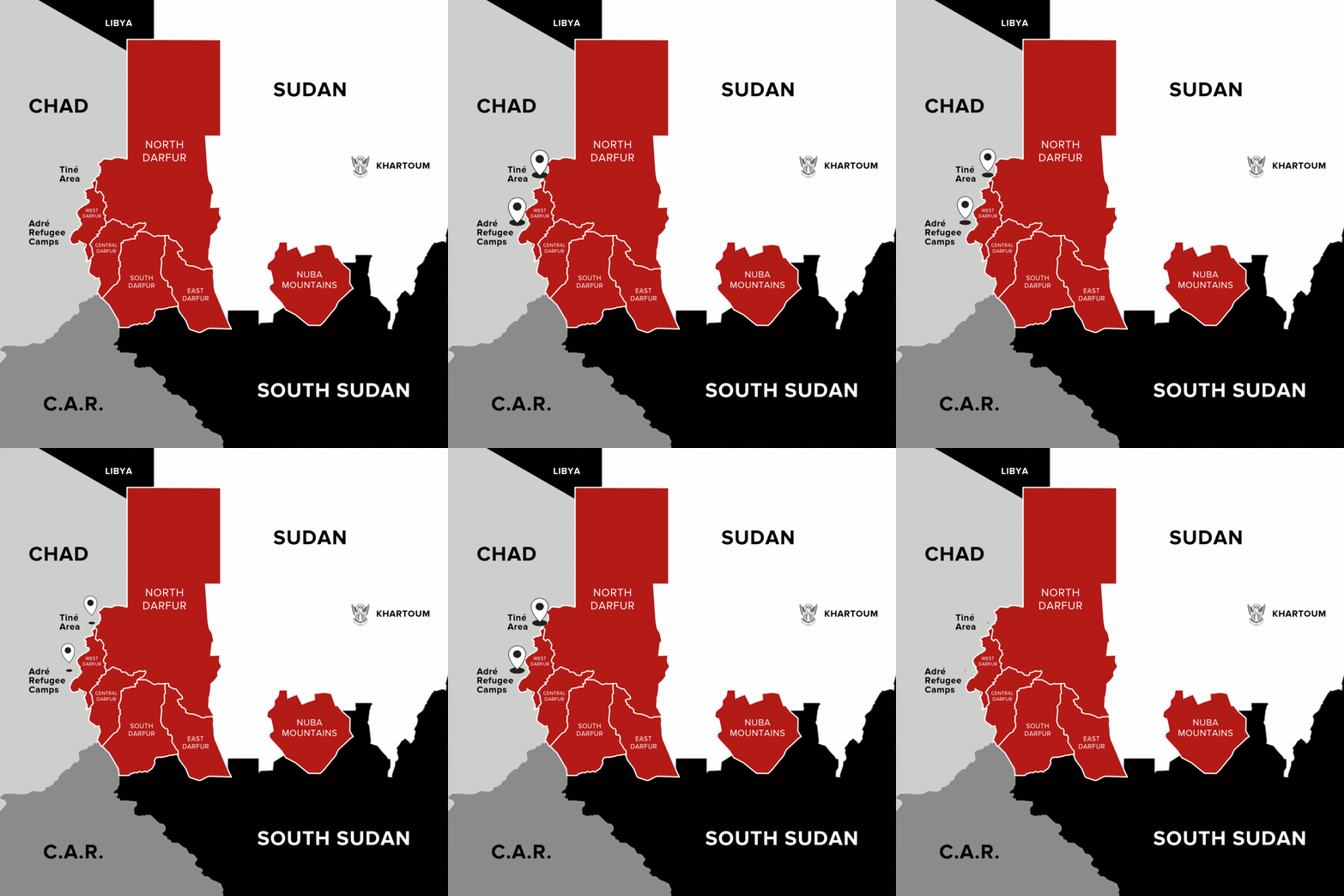
Map by Operation Broken Silence
Parts of Darfur are now in famine. Refugees crossing the border into Adré, with nothing but the clothes on their backs and thousand-yard stares, tell stories of mass killings and starvation. Darfur has descended into ethnic cleansing, widespread rape, and total lawlessness under RSF occupation. Markets, farms, banks, and aid warehouses have been looted or destroyed.
In response, Operation Broken Silence is helping to support local heroes as they deliver emergency food and medical care to some of the most vulnerable refugee communities on the Sudan/Chad border. We’re supporting trusted Sudanese community leaders in two key areas:
The Adré refugee camps
The Tiné area
Below are important updates from the For You Children’s Feeding Center and Healthcare Clinic in Adré—both of which are refugee-led and privately funded by people like you.
January Overview
Eastern Chad has become a major commercial hub due to cross-border trade between western Sudan and Chad. Most all of western Sudan is under Rapid Support Forces (RSF) control and is administratively cut off from the rest of the country. This situation has negatively impacted refugees, as living and healthcare costs have sharply increased.
Most refugees now depend on NGO clinics and hospitals, which themselves struggle to meet growing medical needs. Increasingly, people resort to traditional medicine, causing many to arrive at clinics in critical condition, which in turn elevates treatment costs. Malnutrition cases persist despite regular food distributions, since the rations remain insufficient and lack diversity.
On December 30th, the staff of the For You Initiative, alongside official representatives, beneficiaries from refugee and host communities, and refugee leaders, celebrated the third anniversary of the initiative’s founding. During the event, participants praised the tremendous work carried out by the initiative —especially in healthcare and child feeding— and emphasized its crucial humanitarian role. They called for the continuation of the project, noting that its benefits have clearly reached most refugees and host community members, either directly or indirectly.
During the celebration, attendees enthusiastically contributed voluntary donations amounting to $250, which were allocated for a recreational day for the volunteers and staff of the initiative.
As of this month, the For You Initiative Clinic has completed its third year. Our overall performance evaluation for 2025 was very successful, despite a number of challenges, most of which arose due to the increasing influx of refugees from various parts of Darfur.
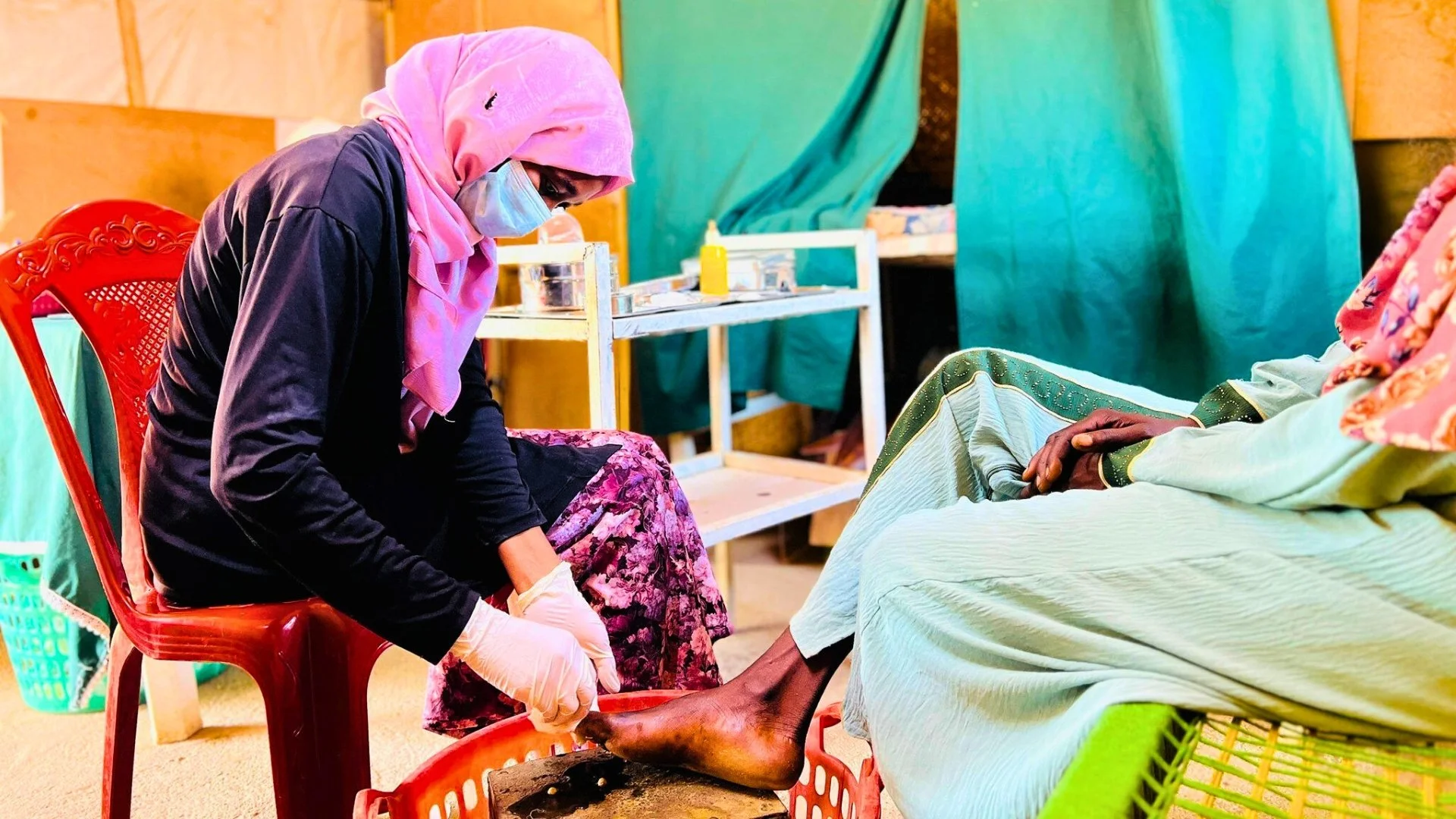
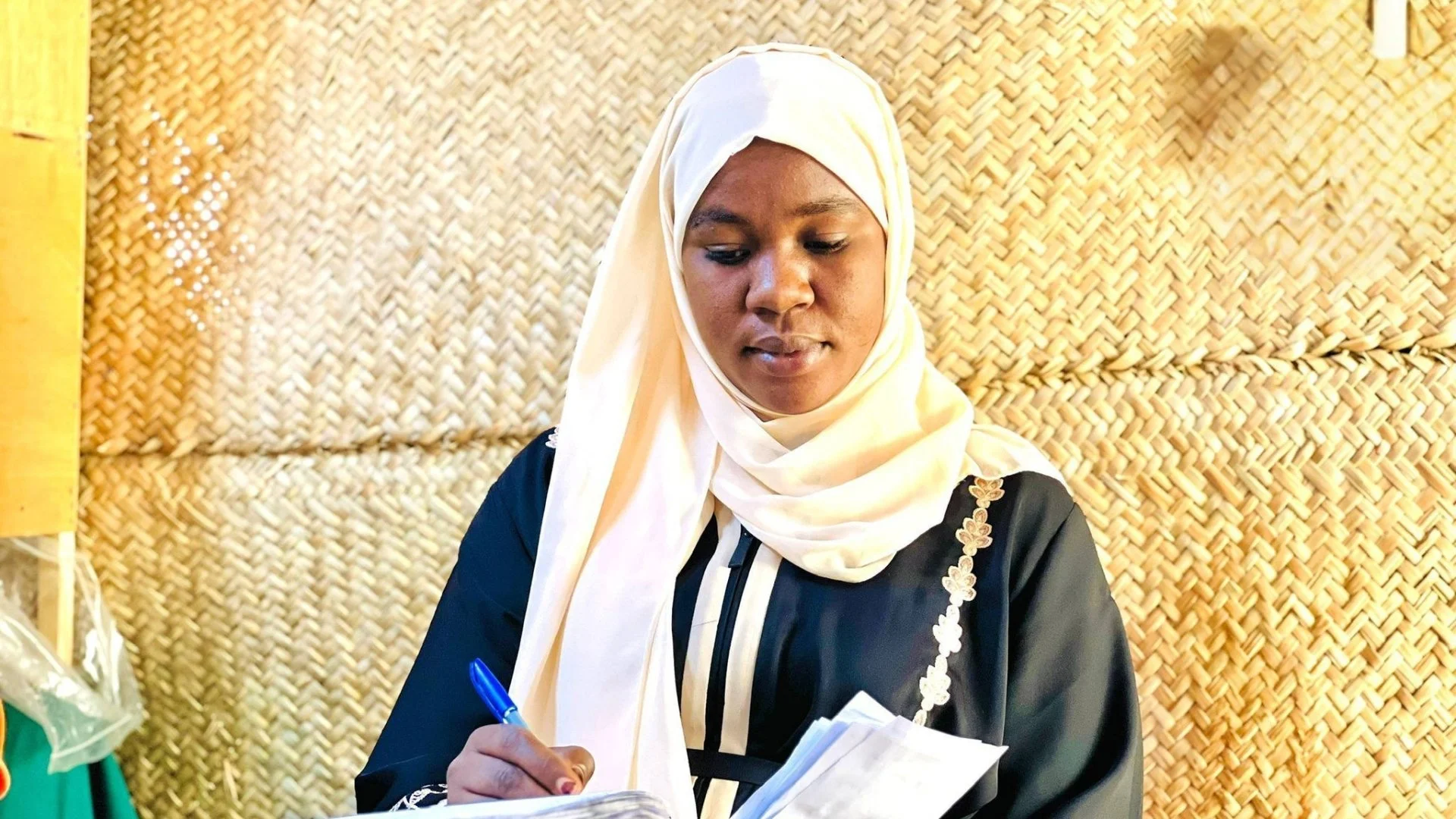
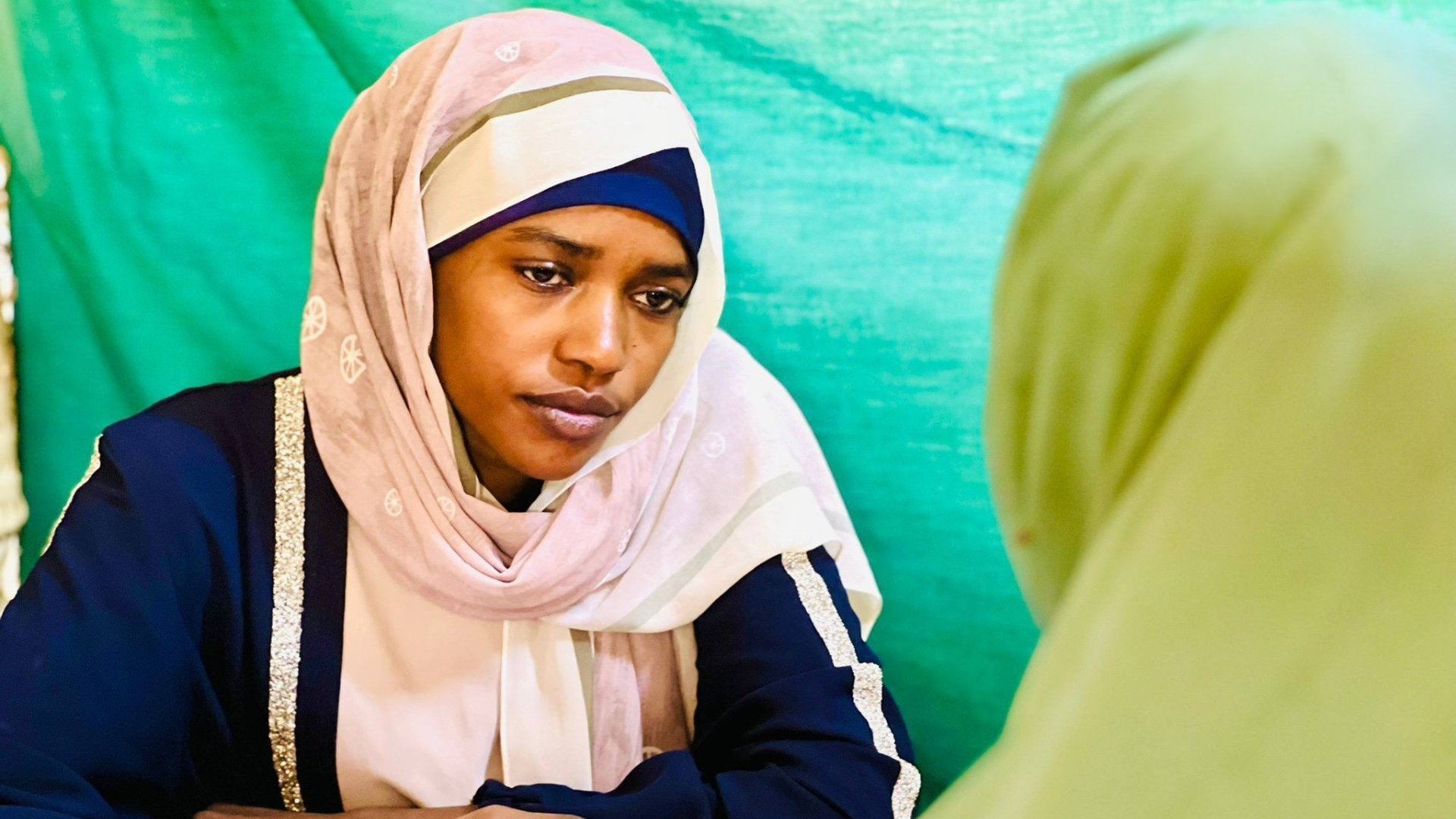
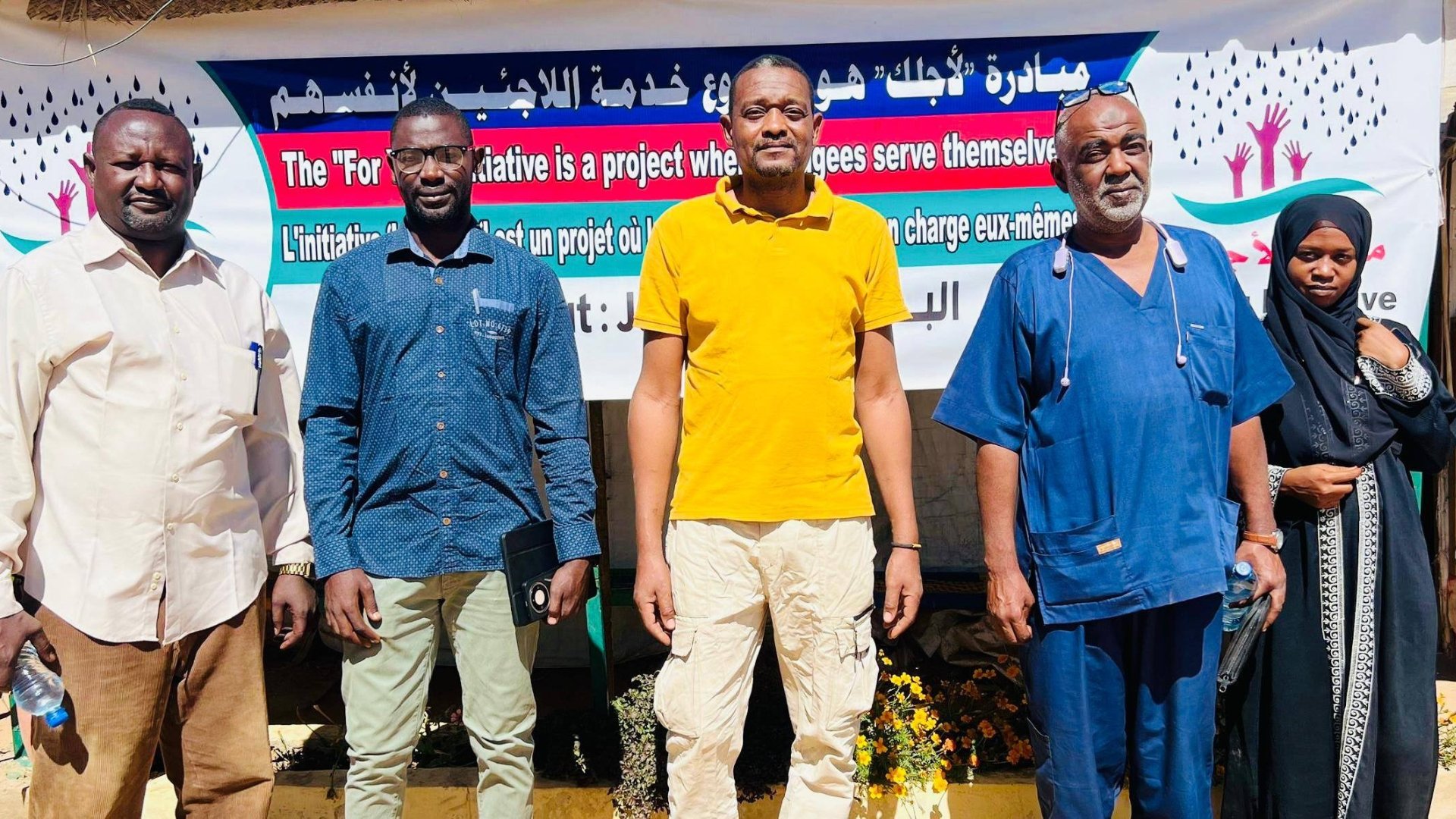
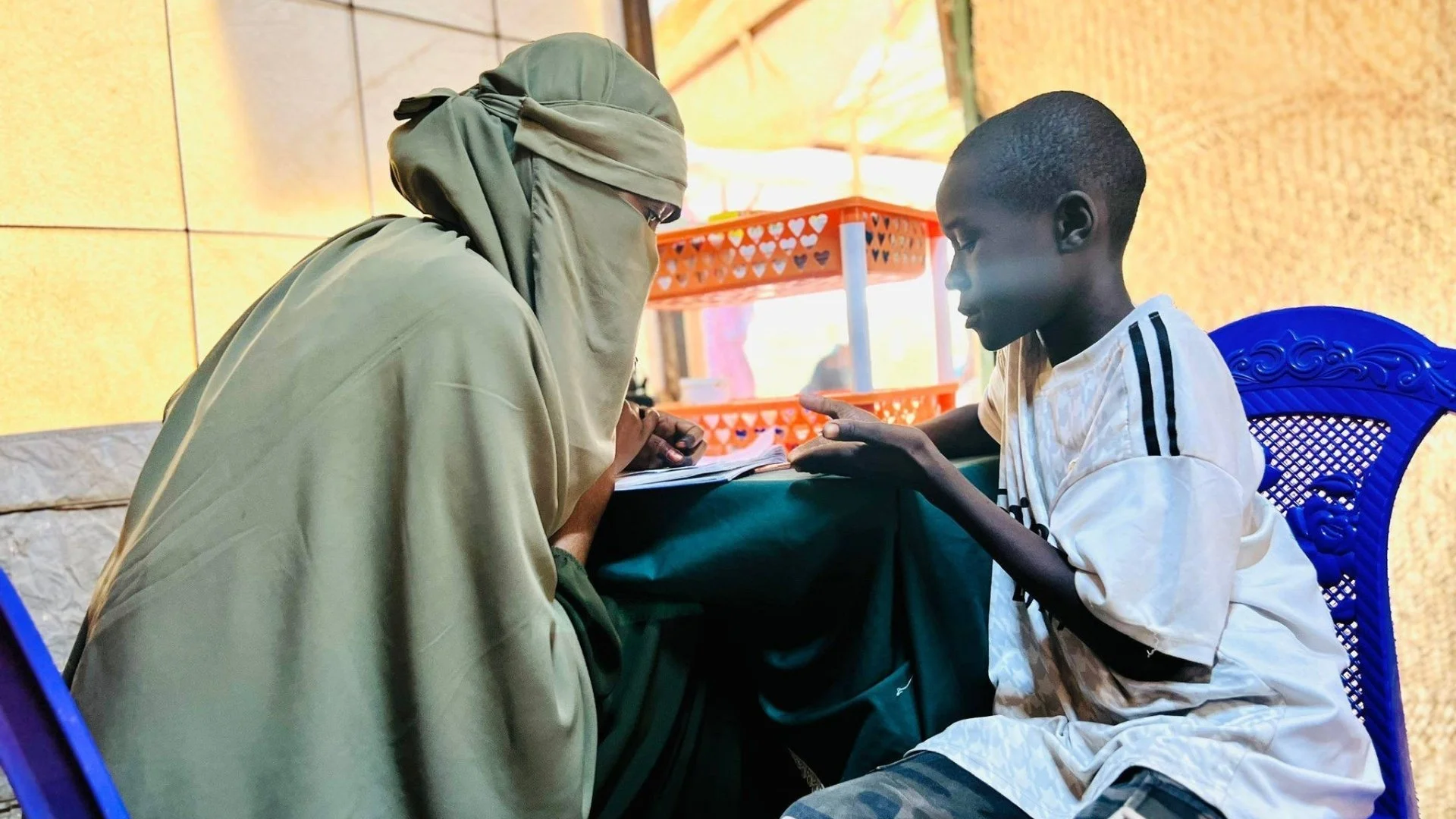
Photos: Life at the Clinic in Adré
Departmental Activities
1. Medical Consultation Room – General Practitioner
Patients received: 1,572
Children: 44%, Women: 36%, Men: 20%
Disease count: 2,855 (average of two illnesses per patient)
Most prevalent diseases: Respiratory illnesses (at unusually high levels), Typhoid (digestive system), Urinary infections, Eye infections, Hepatitis B, Skin diseases (notably chickenpox), Tonsillitis, Sexually transmitted infections
Malaria cases significantly decreased during January.
2. Chronic Diseases Clinic
Patients: 659
Switched record-keeping from notebooks to a card system, improving efficiency.
Patients divided into two groups (A & B), though many struggle to attend scheduled appointments due to travel or distance from Adré.
Ahead of Ramadan, the team plans to provide one-month drug supplies in advance.
New arrivals are still registering, but the clinic’s limited monthly budget cannot cover additional chronic disease medications.
3. Gynecology and Obstetrics Clinic
Patients: 85
Services were interrupted on Mondays due to the departure of Dr. Moawia Ishaq, the Gynecology specialist.
In February, a new specialist joined, restoring regular weekly operations and stability.
4. Emergency & Short-Stay Ward
Patients: 285 (mostly children and women)
Typical cases: respiratory infections, asthma, digestive diseases, minor malaria, and some bleeding cases in women.
The winter period (Dec–Feb) in Chad experienced unusual conditions this year—cold mornings, hot afternoons, and heavy dust—leading to increased respiratory illnesses.
The ward uses 3 nebulizer devices, but lacks an oxygen machine, which is urgently needed.
5. Nursing & Minor Surgery Unit
Patients: 290
Decreased numbers since the rainy season ended, but antibiotic injections have increased, especially for women and children.
Performed routine minor surgeries: wound cleaning, removal of foreign objects, and burn care (notably increasing in camps).
6. Laboratory Department
Patients tested: 1,370
Fewer diagnostic tests due to dominance of respiratory illnesses.
Rise in STIs and urinary infections (mainly among women).
High number of positive typhoid cases—linked to contaminated vegetables and water, common during the winter when produce is cheap.
Confirmed cases of Hepatitis B and tuberculosis were also reported.
7. Health Education & Counseling Unit
Conducted 30 group sessions and 15 individual sessions focusing on: Personal hygiene, Skin diseases, STIs, Tonsillitis & sinus infections, Eye health, Breastfeeding, and Cholesterol and diet
With Ramadan starting mid-February, the unit designed educational programs on fasting and nutrition for chronic patients, in collaboration with religious leaders, emphasizing the importance of avoiding fasting if it poses health risks.
Two new Public Health graduates joined as volunteers in December–January, significantly boosting performance. A new initiative called “For You Initiative Radio” was introduced — pre-recorded educational messages broadcast through speakers in waiting areas during clinic hours, creating an informative yet calm atmosphere.
8. Media & Public Relations Department
Due to poor internet connectivity and the suspension of Starlink services (costing USD 120/month), online updates were interrupted. However, documentation and archiving continued regularly.
The PR team reached out to multiple NGOs exploring partnerships—several expressed interest, but none have yet provided tangible support.
The team also met with the local health authority and visited hospitals to coordinate 2026 plans.
MSF Switzerland confirmed that its budget will only cover operations until March 2026—after which both health and water services in Adré and nearby camps will be in jeopardy.
9. Training Department
Held six workshops on various medical and administrative topics, including report writing.
Sessions were attended by all clinic staff.
Continued to supervise health science students who joined in December and January for field experience.
10. Child Feeding Center
Distributed 875 meals; about 200 children attend daily on school days and up to 275 during holidays.
The decrease from previous months is due to school schedules and relocation of about 70,000 families to camps outside Adré.
The Atshana Center continues operating under extreme financial difficulty, sustained only by sporadic donations from supporters in California.
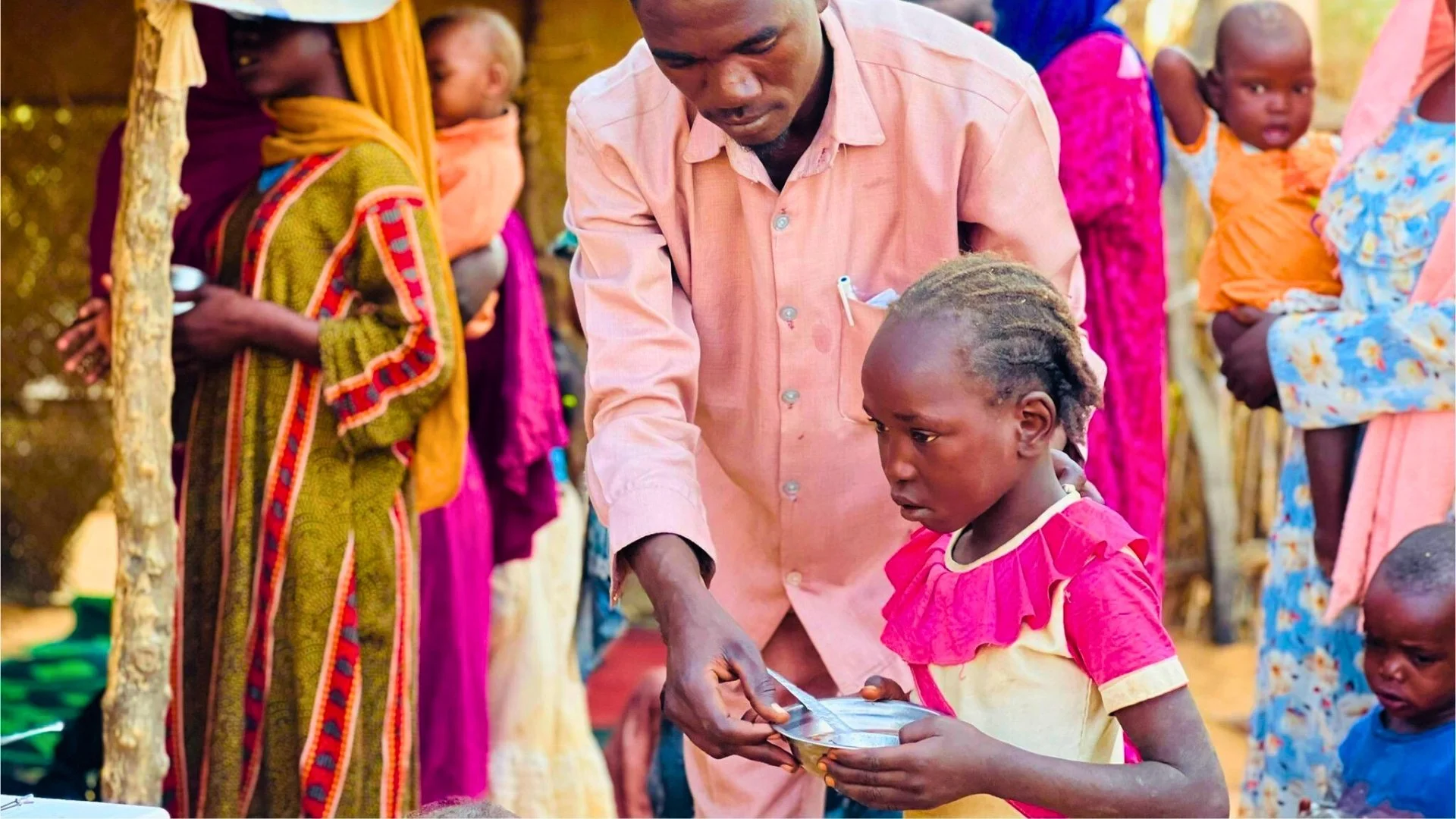
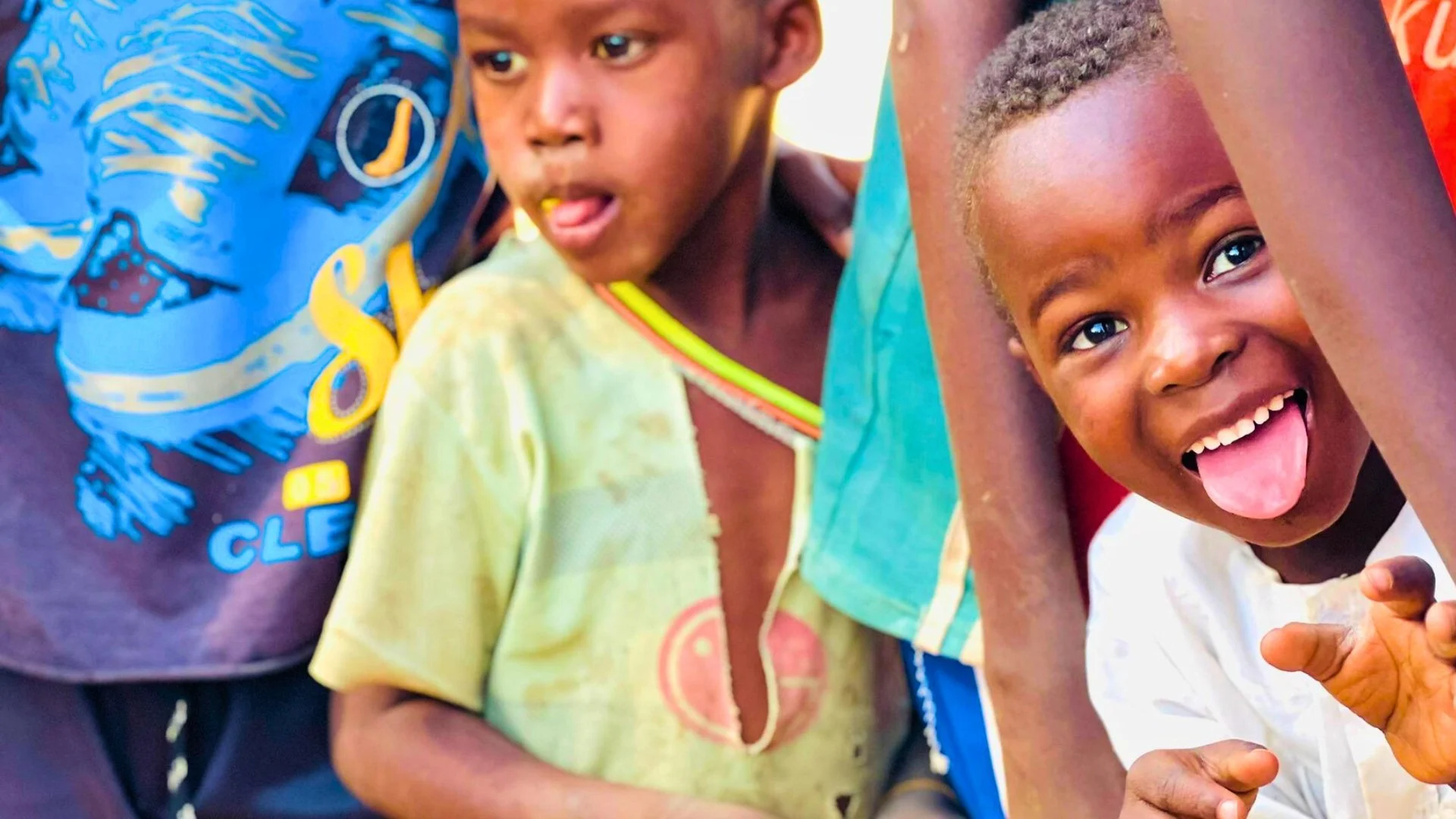
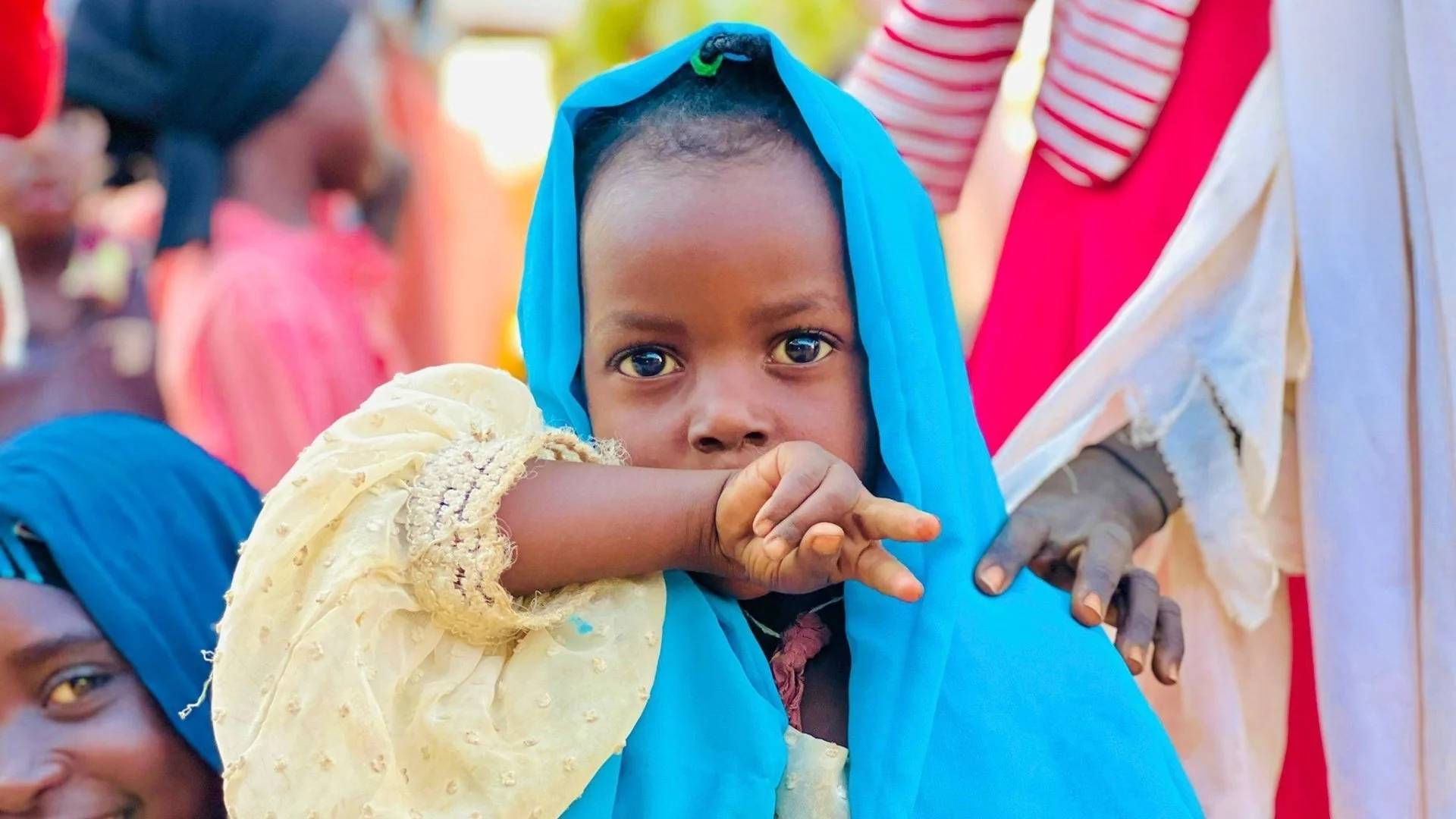
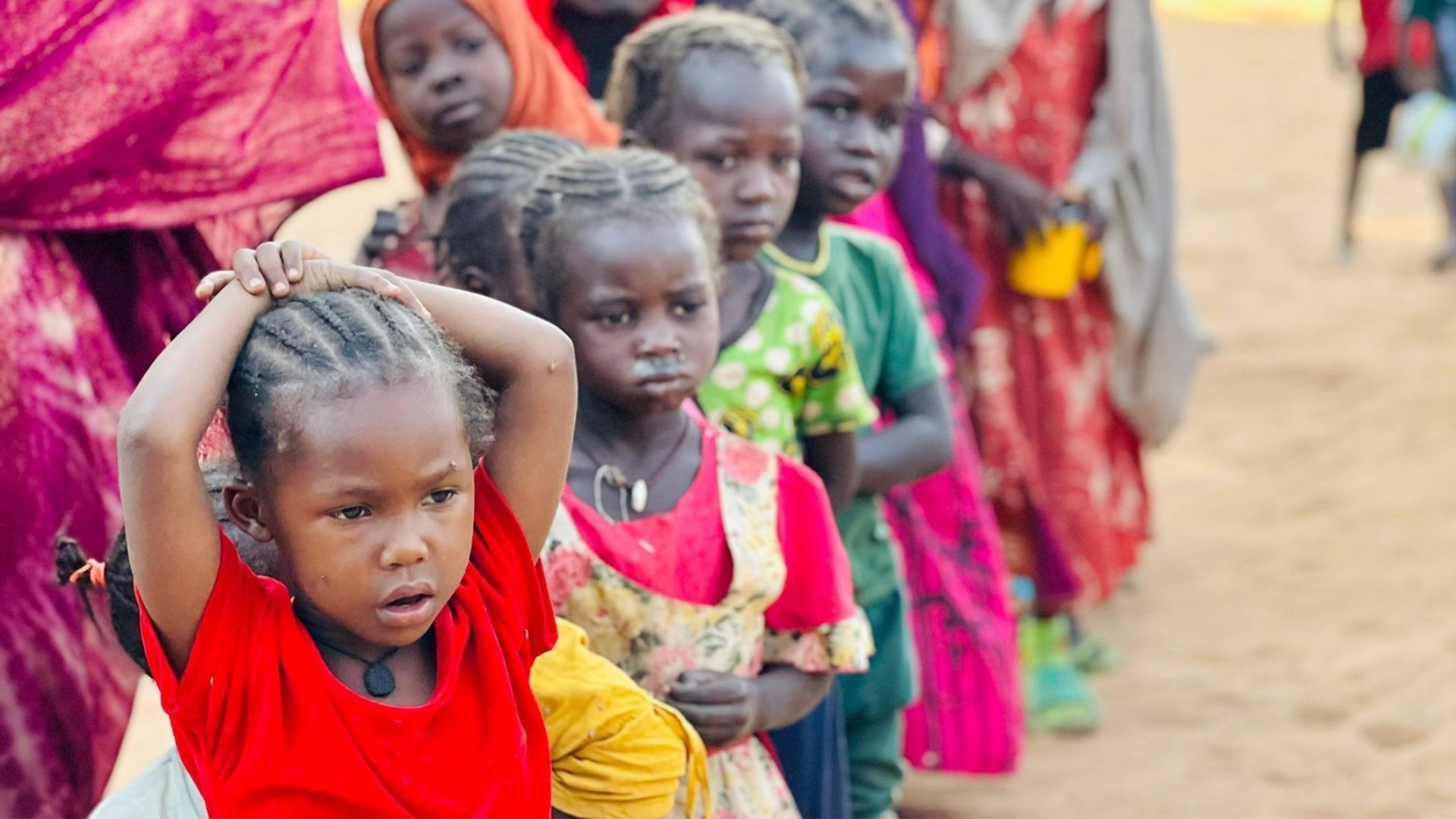
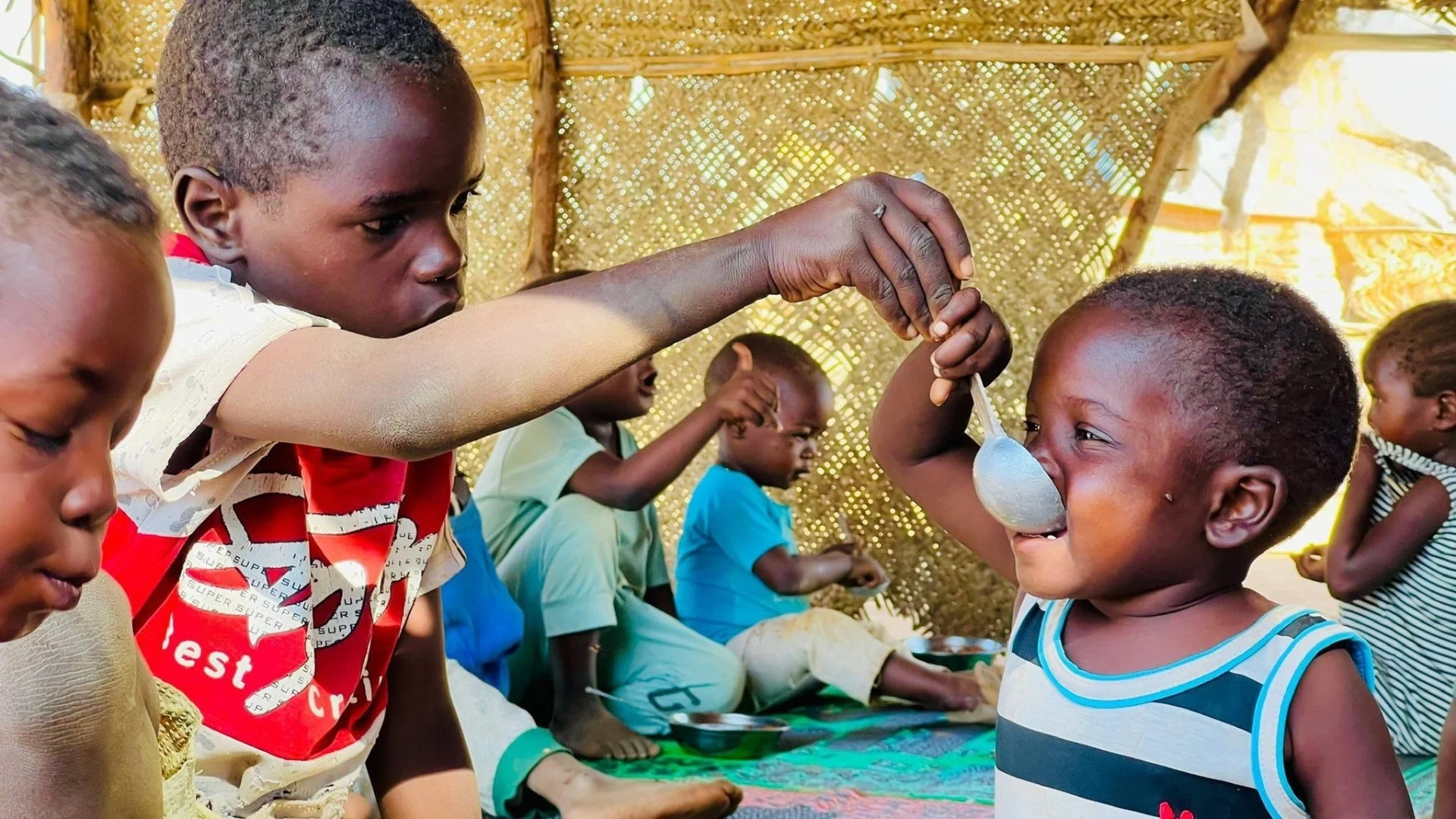
Photos: Life at the feeding center in Adré
11. Eye Clinic
Launched in January 2026, led by Dr. Mohammed Osama, an ophthalmologist with a private practice in Adré who volunteered his services weekly (Tuesdays). Assisted by Ophthalmic Technician Abdelhafiz Mohammed Hassan.
Treated 137 patients in January (average of 35 per session).
Currently, the field clinic lacks a dedicated ophthalmic examination room. Minor treatments and foreign-body removals are done onsite, while major procedures (e.g., cataract, glaucoma) are referred to Dr. Osama’s private clinic, where patients receive a 15% discount. Our clinic also subsidizes post-surgery medications when possible.
This new unit has increased weekly operational costs by $100–150, but it remains essential given the high prevalence of eye conditions among refugees, particularly the elderly and children. We hope to soon secure our own diagnostic devices, as Dr. Osama currently brings his equipment each week, which is not sustainable long-term.
12. Workforce
The Coordination Team of For You Initiative proudly acknowledges the dedication and resilience of its staff despite financial and logistical challenges and limited incentives, especially when compared to salaries offered by international NGOs in border camps. These young people are an inspiring example of sacrifice and service to their community. Sadly, several qualified staff members have left in search of better livelihoods. For instance, one of our laboratory supervisors resigned and now works as a local minibus driver to support his family. We have welcomed new members, though most are less experienced.
12. Donations and Special Activities
Additionally, meat portions (2.5 kg) were distributed to 100 vulnerable families and elderly refugees, donated by Sudanese expatriates in the U.S. as part of Aqiqah (birth celebrations)—a traditional charitable practice among Muslims.
The majority of the For You Initiative’s funding continues to come from Operation Broken Silence. The clinic staff have reached out to multiple organizations both within and outside Chad for additional support. Members of the diaspora in the United States are working to secure sponsors or partners as well. Some entities have expressed interest but not have supported yet.
13. Garden and Environment
We expanded our clinic garden, focusing on flowers and green spaces that have proven beneficial for the mental well-being of patients, particularly those with psychological difficulties.
In January, we revitalized the garden, adding a traditional-style fountain near the offices and patient waiting area. The Health Education team sometimes conducts counseling sessions by the fountain to create a calming environment that supports psychological healing.
Current conditions in Adré
The situation Sudanese refugees face in eastern Chad is a protracted humanitarian emergency. People fleeing ethnic cleansing and famine face hunger and disease after arriving at one of the 30+ informal border crossings, many having walked for days carrying only what they could, including mothers and children weakened by hunger and trauma. The scale of this crisis is staggering:
The number of Sudanese refugees in eastern Chad has surged to almost 915,000 people.
86% of those registered are women and children, of which 25% are adult women.
Over 235,000 refugees are currently settled in the Adré area, more than five times the town’s original population.
13% have registered refugees specific needs, including people with disabilities, single parents, or those who are at-risk.
Source: UNHCR CHAD | CORE Sudan Emergency Situation (February 2026)
These heroes need your help
We anticipate a further rise in the number of refugees in 2026, given the worsening humanitarian and security situations, continued armed conflict in northern Darfur, and intensified airstrikes along the Sudan–Chad border in December and January, forcing more Sudanese to flee deeper into Chadian territory.
The needs in Adré are urgent and growing every week. Right now, it takes a minimum of $8,500 each month to keep the For You Child Feeding Center & Clinic running at minimal capacity. This covers everything from medical supplies and health awareness to hot meals for vulnerable children to basic medication for patients that couldn’t afford it otherwise.
These programs can expand with even more funding. Thousands are still waiting for care. Countless children go to bed hungry every night. You can help change that. In a place where hope is in short supply, your generosity means more than you can imagine.
Checks can be made payable to Operation Broken Silence with Adré written in the memo line and mailed to PO Box 770900 Memphis, TN 38177-0900. You can also donate stock and cryptocurrency while adding a note specifying your gift is for Adré.
Thank you for taking the time to receive this update. Please support us today.
Shareables
Short statements you can share online and with others. Simply copy and paste.
When war erupted in Sudan in April 2023, Darfur quickly became the epicenter of some of the conflict’s worst atrocities, sparking off a protracted humanitarian emergency for refugees in eastern Chad. https://operationbrokensilence.org/blog/adre-childrens-feeding-program-and-clinic-update-january-2026
Over 235,000 refugees are currently settled in the Adré area. Most are women and children. A small clinic and feeding center are saving lives, but they need your help to keep going. https://operationbrokensilence.org/blog/adre-childrens-feeding-program-and-clinic-update-january-2026
The small clinic in Adré continues saving and changing lives. Each week, the dedicated team works with compassion to deliver lifesaving care to Sudanese refugees, despite limited resources and growing demand. https://operationbrokensilence.org/blog/adre-childrens-feeding-program-and-clinic-update-january-2026
What does hope look like in a refugee camp? It looks like a child receiving her only hot meal of the day. A mother being treated for malaria. A community standing together. Help us keep hope alive. https://operationbrokensilence.org/blog/adre-childrens-feeding-program-and-clinic-update-january-2026