
News & Updates
Check out the latest from Sudan and our movement
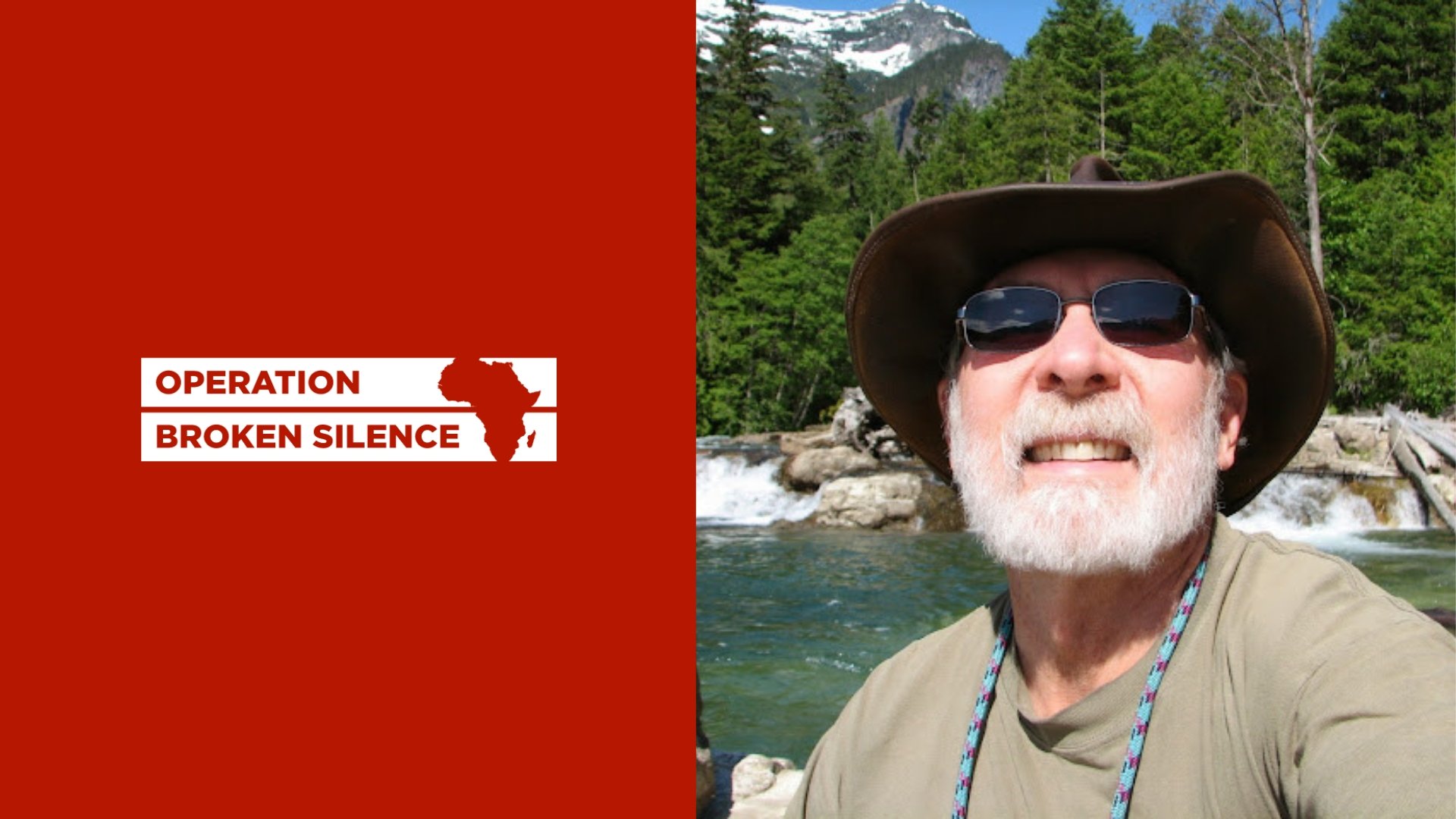
Movement Spotlight: Gary Casady
How one runner is helping to bring education to a Sudanese refugee camp.
Operation Broken Silence is a small nonprofit with a big mission of empowering Sudanese heroes in some of the most oppressed parts of their country. We’re only able to do this with the help of our movement, which includes donors, fundraisers, volunteers, and partnerships found around the world.
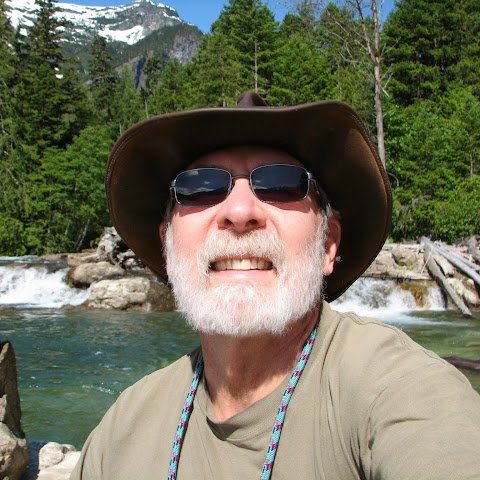
We want to share a story from our movement with you today! Meet Gary Casady, one of our supporters from Oregon. Gary ran virtually in our annual 5K last fall, an event that benefits local teachers in Yida Refugee Camp. He says:
“I have had the privilege of being in Sudan and surrounding countries, so am more aware than most of the disasters that have taken place there. Our son Brian has been to the Nuba Mountains and travelled with locals who have become friends. I have been able to attend a conference in Nairobi for pastors from Sudan, so am acquainted with them and the challenges of their ministries.
I have never considered myself a fundraiser. I like the phrase "friendraiser" that I have heard others use. I just engage myself with people where I feel God is working and where He moves me to be involved. I share this with friends, giving them the opportunity to ask God if He wants them involved in some way. Then I just rest in what God provides and does.
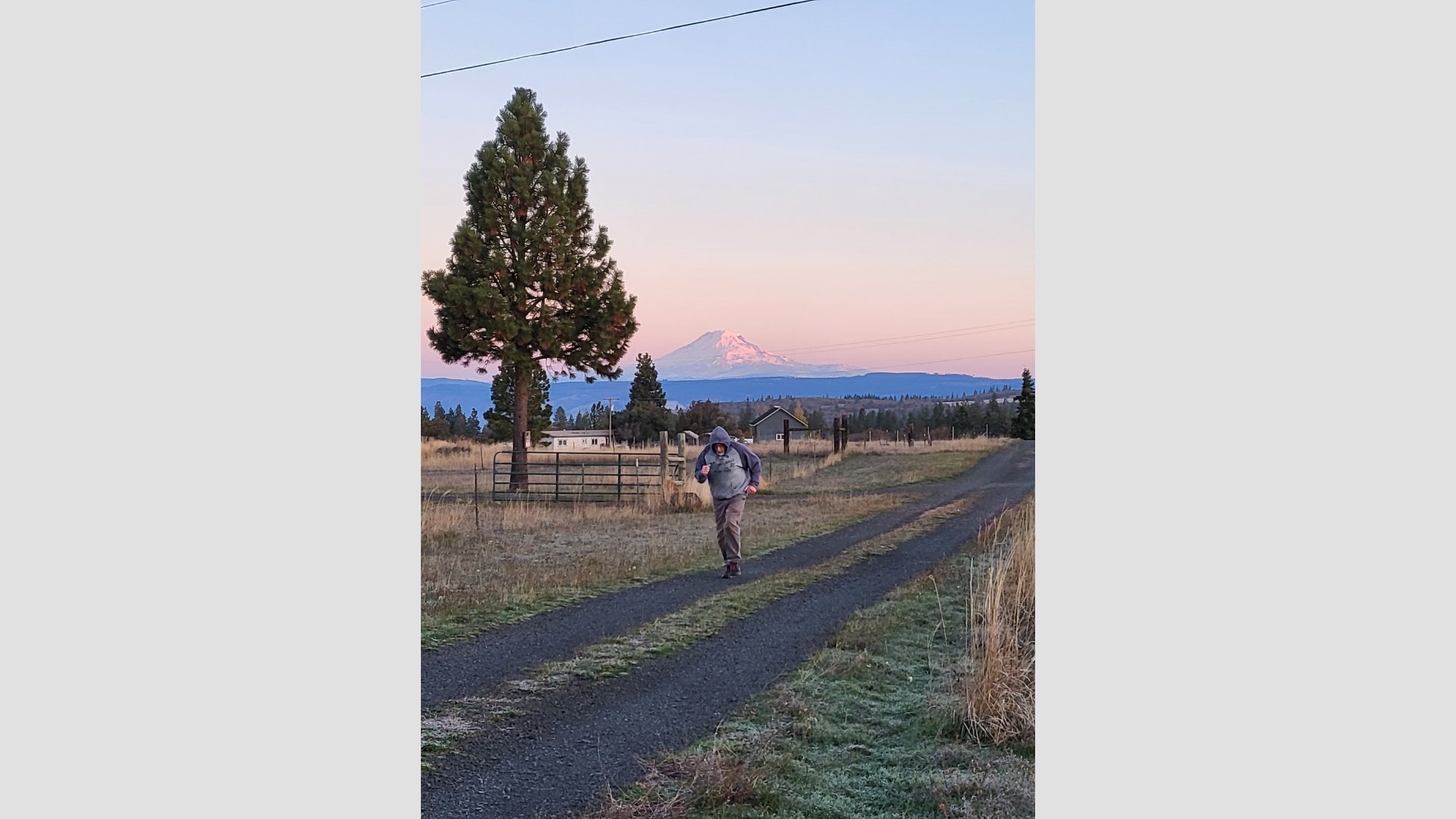
In my weekly exercise I have a goal ‘3x3"‘, that is 3 miles three times a week. So, I have a few 5k routes marked out that I do weekly. My favorite one is the one I did for Eden's run. It is back roads that provide great scenes, hence the designation ‘Sevenmile Hill Scenic Slog.’”
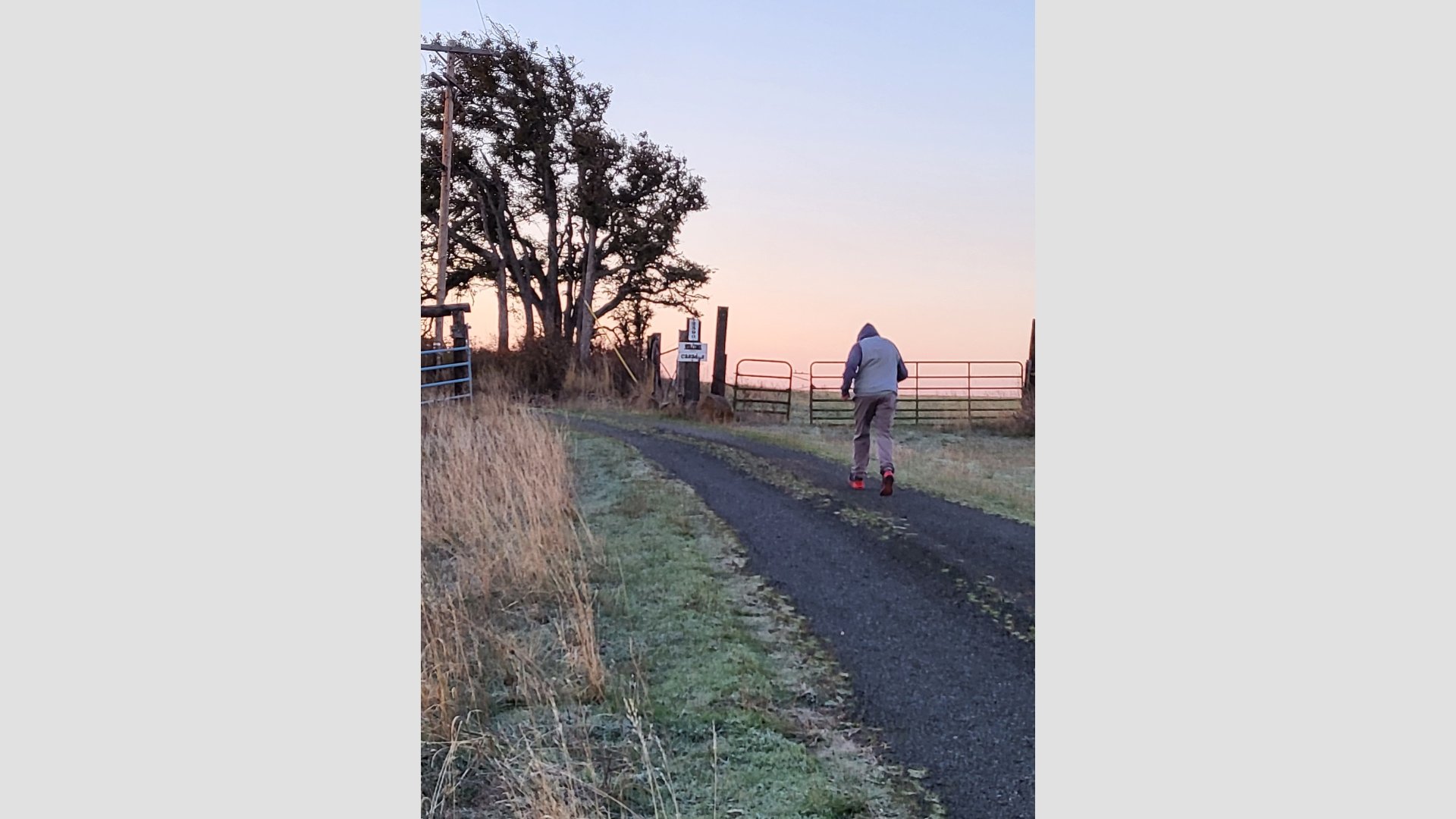
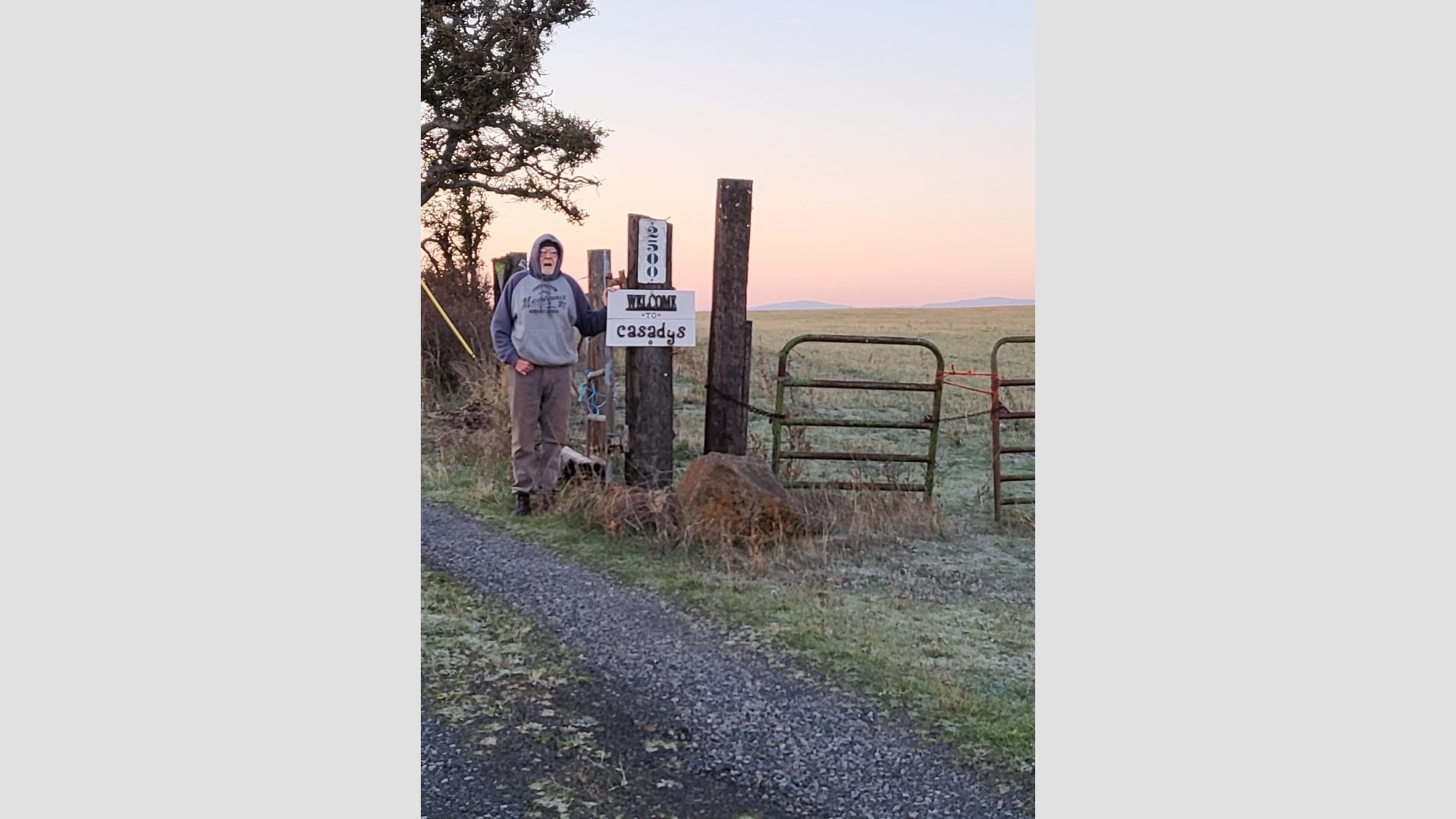
Gary took one of the most innovative approaches we’ve ever seen from our virtual runners. He mapped out in detail where he would be running. In the weeks leading up to the run, he sent his course, a few pictures of it, and his fundraising page to friends and family asking them to give. Those who donated received personal thank you! Race day arrived and Gary’s wife Linda followed along to take a few photos.

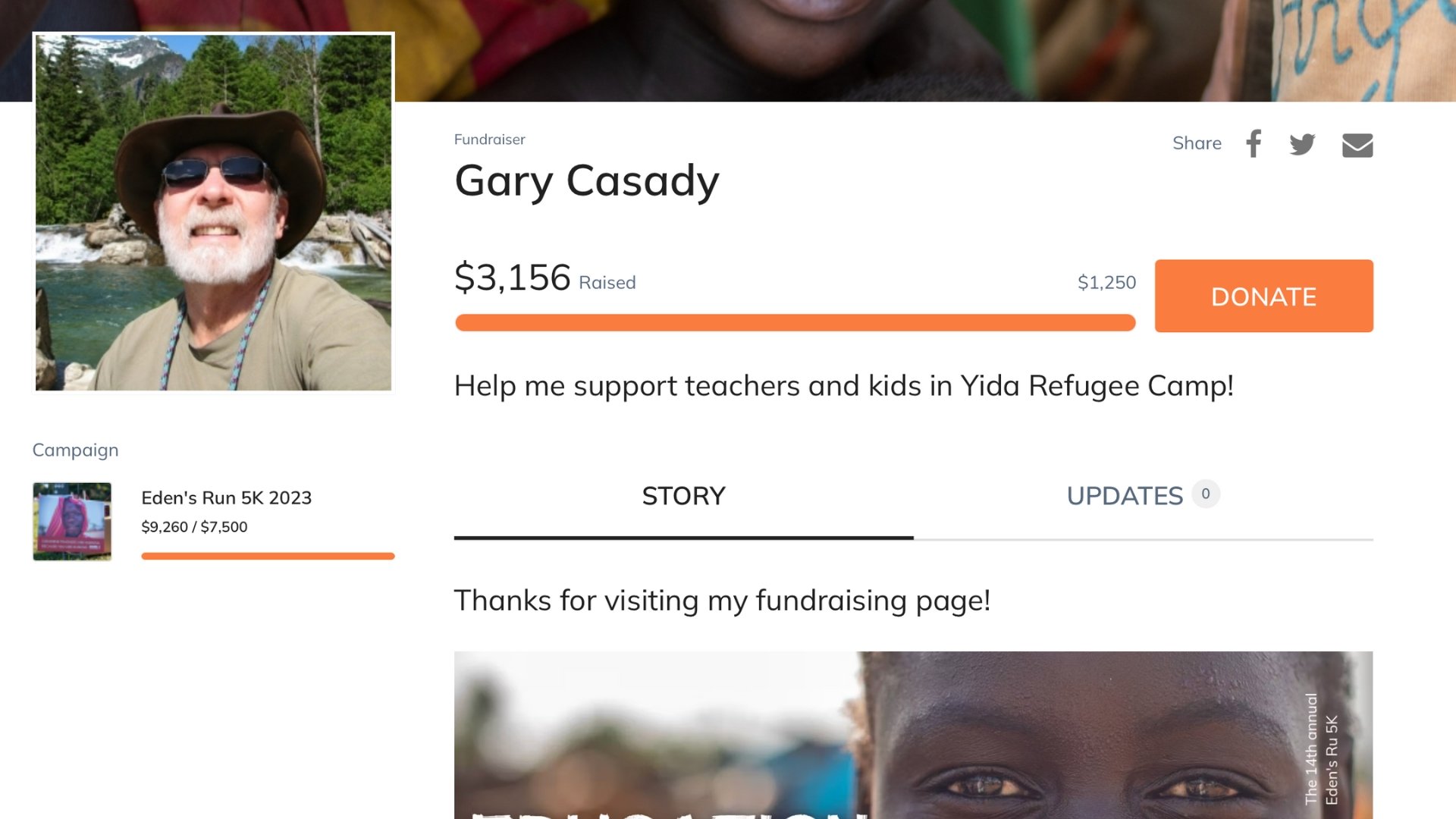
By the end of his run, Gary had exceeded his $1,250 goal by raising $3,156!
Absolutely amazing! After his run, Gary emailed his supporters a touching and humorous thank you note with a few photos. Here’s what he wrote:
“Dear Friends,
We made it. Linda came along in her Subaru as my own private Paparazzi. God bless her abundantly. I came in first place to the rousing caws of ravens. You should try it sometime - design your own race and run it by yourself and you'll come in first place, hoorah. My time was a PR. How did I run so fast? It was the shoes.
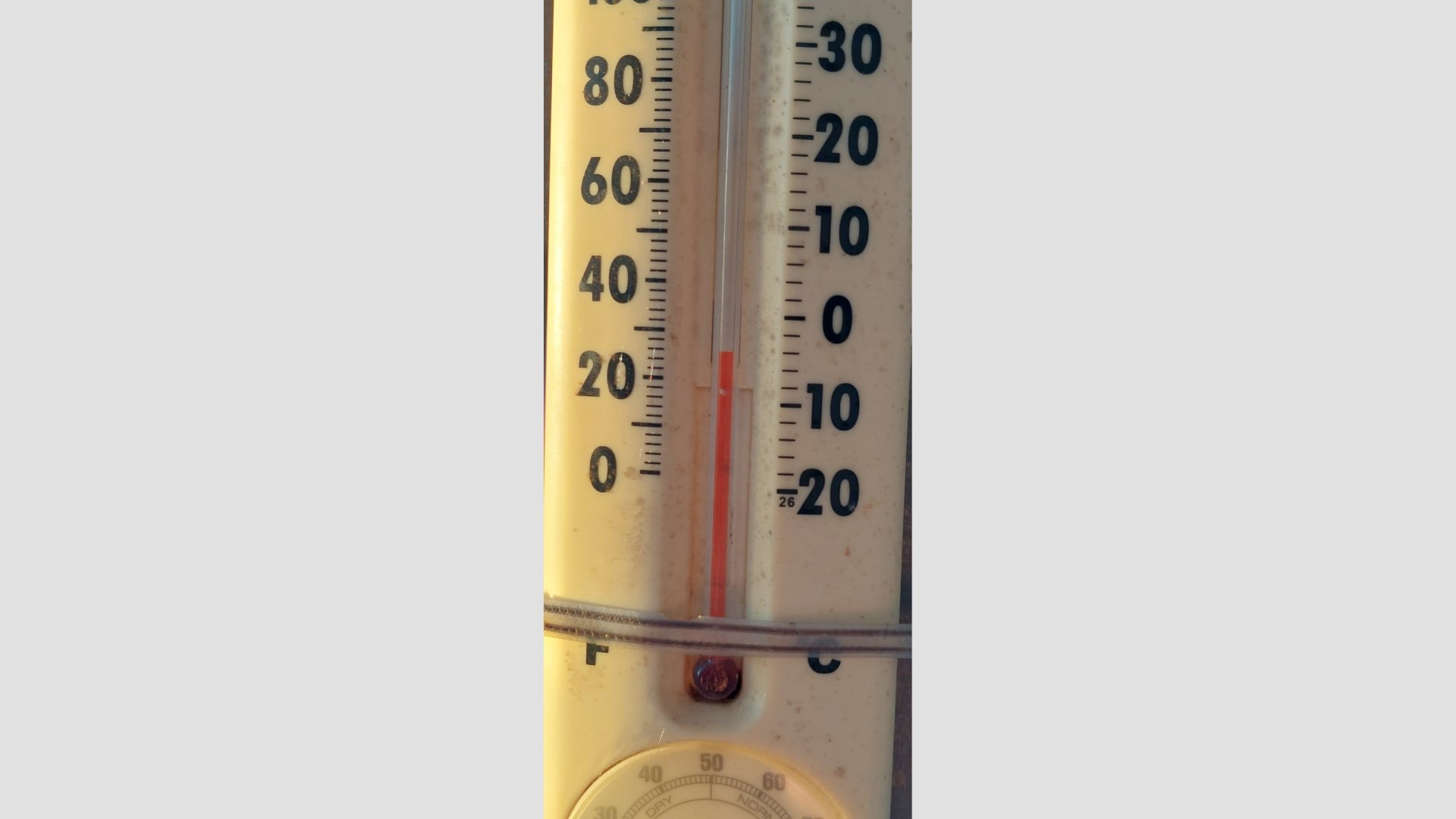
We were off at 7:00am sharp as the full moon was setting in the west and the thermometer read 23F. Linda drove to critical points along the race route for photos. We arrived back home at around 7:40am. We had french toast omelets and fresh fruit for breakfast. The attached photos tell a story.
Thank you for all of your donations, encouragement, prayers and support. The cause of supporting the teachers and schools for these internally displaced kiddos is a great work in which you have all engaged. There is still time to donate through Monday.”
Gary has provided all of us a fantastic example of how to fundraise: be friendly, be direct, and have fun! His final words of encouragement for all of our fundraisers and future runners comes from his faith:
“Step into what you believe God is doing and share this with others. It is His work. He gives us the privilege to be involved. He will provide when and how He wills.”
Thank you to Gary, Linda, and all of your supporters for serving the teachers and kids in Yida Refugee Camp. The funds you raised and gave are being used to pay teacher salaries, deliver school supplies, and more. And thank you for encouraging our team with your kindness and generosity during this especially difficult season in Sudan.
Ready To Get Involved?
The current crisis unfolding in Sudan is now the most dangerous and destructive humanitarian catastrophe in the world. Nearly 25 million Sudanese —roughly half the country— are now in need of some form of humanitarian assistance. 7 million people have been internally-displaced and nearly 1.5 million more have fled the country.
Our Sudanese partners are struggling as the war spreads and program costs skyrocket. In 2024, we’re searching for 100 supporters who can give $50/month to their life-saving work. ⚡️Your first three monthly gifts will be matched by a private donor.⚡️

The Renewal is our passionate family of monthly givers supporting Sudanese heroes. When we match their grit with a monthly financial commitment, we become an unstoppable force for good.
91 more monthly givers are needed.
You’ll receive updates from our partners roughly every 4 months and an annual giving statement at the beginning of each year.
Operation Broken Silence is a registered 501(c)(3) nonprofit organization. Your donations are tax-deductible within the guidelines of U.S. law.
Other Ways To Help
Online Donations - You can make a one-time gift above by selecting One time.
Checks - Make payable to Operation Broken Silence and mail to PO Box 770900 Memphis, TN 38177-0900.
Start a Fundraising Page - Ask friends and family to give!

Women and Conflict in Sudan
Learn about how the crisis in Sudan impacts the lives of ordinary women.
This is a brief article providing a contextual background for understanding the issues Operation Broken Silence works on. It is part of our resource list for students, teachers, and the curious and was last updated January 2024. For more information about what's happening in Sudan and our work, please sign up for our email list.
While violence touches everyone in conflict, women and girls face particular gendered violence on top of genocidal violence from their national, ethnic, racial, or religious identity. Historically men are more likely to be victims of direct killing acts while women face non-killing acts that can be overlooked, obscured, and erased from the historical record.
While some advances have been made for women —with the International Criminal Court recognizing women’s experiences as convictable war crimes— there is still more work to be done by both further advocating for women’s voices during war tribunals and removing stigma of gender violence, so women feel comfortable sharing about their experiences.
Because of this stigma, oftentimes few stories exist, which is the case for women in the Nuba Mountains of Sudan. Over the past few decades, specific instances of gender violence include forced marriages, forced relocation to Khartoum, and the mass rape of women. All of these examples break down the fundamental bond of the family and community in the Nuba Mountains.
Below is a list of further resources on the violence that women face in conflict and genocide as well as how we might enact change to stop it.

Women’s Experiences of Genocide
Resource from The United States Holocaust Memorial Museum

SUDAN - UN WOMEN
Article from the United Nations

RAPE IS A WEAPON OF WAR
Report from Amnesty International on sexual violence in Darfur

Celebrating Women’s History in Sudan
Article from Radio Dabanga

Ending Violence Against Women
Resource from the United Nations

GENOCIDE BY ATTRITION
Book with female experiences specific to the Nuba Mountains
From Learning To Action
Our free global event turns everyday runs, bike rides, and walks into lifesaving support. Every mile you put in and dollar you raise helps fund emergency aid, healthcare, and education programs led by Sudanese heroes. We also have an option where you can skip the exercise and just fundraise. Every dollar raised makes a difference.
Checks can be made payable to Operation Broken Silence and mailed to PO Box 770900 Memphis, TN 38177-0900. You can also donate stock or crypto. Operation Broken Silence a 501(c)(3) nonprofit organization. Donations are tax-deductible within the guidelines of U.S. law. Our EIN is 80-0671198.
The Responsibility To Protect
The Responsibility to Protect (R2P) is an international norm that seeks to ensure the world never again fails to halt genocide and other mass atrocity crimes.
This article provides a contextual background for understanding the issues Operation Broken Silence works on. It is part of our resource list for students, teachers, and the curious and was last updated January 2024. For more information about what's happening in Sudan and our work, please sign up for our email list.
The Responsibility to Protect (R2P) is an international norm that seeks to ensure the world never again fails to halt genocide and other mass atrocity crimes.
R2P emerged in the aftermath of the international community’s failure to respond to mass atrocity catastrophes committed in Rwanda and the former Yugoslavia during the 1990s. The International Committee on Intervention and State Sovereignty developed the concept of R2P during 2001. The Responsibility to Protect was unanimously adopted in 2005 at the UN World Summit, the largest gathering of Heads of State and Government in history.
In paragraphs 138 and 139 of the World Summit Outcome Document, R2P is introduced as:
138. Each individual State has the responsibility to protect its populations from genocide, war crimes, ethnic cleansing and crimes against humanity. This responsibility entails the prevention of such crimes, including their incitement, through appropriate and necessary means. We accept that responsibility and will act in accordance with it. The international community should, as appropriate, encourage and help States to exercise this responsibility and support the United Nations in establishing an early warning capability.
139. The international community, through the United Nations, also has the responsibility to use appropriate diplomatic, humanitarian and other peaceful means, in accordance with Chapters VI and VIII of the Charter, to help protect populations from genocide, war crimes, ethnic cleansing and crimes against humanity. In this context, we are prepared to take collective action, in a timely and decisive manner, through the Security Council, in accordance with the Charter, including Chapter VII, on a case-by-case basis and in cooperation with relevant regional organizations as appropriate, should peaceful means be inadequate and national authorities manifestly fail to protect their populations from genocide, war crimes, ethnic cleansing and crimes against humanity. We stress the need for the General Assembly to continue consideration of the responsibility to protect populations from genocide, war crimes, ethnic cleansing and crimes against humanity and its implications, bearing in mind the principles of the Charter and international law. We also intend to commit ourselves, as necessary and appropriate, to helping States build capacity to protect their populations from genocide, war crimes, ethnic cleansing and crimes against humanity and to assisting those which are under stress before crises and conflicts break out.
The Three Pillars of R2P
Based on the description above, The Responsibility to Protect is seen as having three core areas of focus, or pillars:
1. Individual State Responsibility. Every state has the responsibility to protect its populations from four mass atrocity crimes: genocide, war crimes, crimes against humanity, and ethnic cleansing.
2. International Support To Individual States. The wider international community has the responsibility to encourage and assist individual states in meeting that responsibility.
3. International Intervention. If a state is manifestly failing to protect its populations, the international community must be prepared to take appropriate collective action, in a timely and decisive manner and in accordance with the UN Charter.
Addressing A Common Misperception
R2P is often discussed as only pertaining to outside military intervention; however, that is just one component of R2P, and the least pursued option to protect civilians at that. The 2005 World Summit Outcome Document cited above clearly states “The international community, through the United Nations, also has the responsibility to use appropriate diplomatic, humanitarian and other peaceful means, in accordance with Chapters VI and VIII of the Charter, to help protect populations from genocide, war crimes, ethnic cleansing and crimes against humanity.”
Every day, many governments act to protect their citizens and assist other states in doing the same, often without any military or security support whatsoever. This can and does take on many forms, including public investment in at-risk communities, humanitarian aid, international diplomacy, improving educational outcomes, supporting the work of truth and reconciliation efforts and judicial systems, and more. Important and preventative work like this makes societies more resilient to genocide and mass atrocity crimes even if it goes largely unnoticed.
Where R2P has leaned toward armed actions, it is often in the form of security assistance to governments that are struggling to protect their citizens, removing such assistance from governments that are threatening their citizens, intelligence sharing, arms embargoes and sanctions enforcement, enforcement of the rule of law, and other similar actions. R2P has only rarely been used to sanction direct military intervention by outside states, such as the 2011 NATO-led intervention in Libya.
R2P has been invoked in more than 100 UN Security Council, General Assembly, and Human Rights Council resolutions, as well as broader resolutions about preventing genocide and armed conflict and restricting the small arms trade. Individual countries have also sought to boost their own efforts with regards to R2P, including the United States, which has codified into federal law several approaches to preventing, responding, and ending genocide and other mass atrocity crimes.
From Learning To Action
Our free global event turns everyday runs, bike rides, and walks into lifesaving support. Every mile you put in and dollar you raise helps fund emergency aid, healthcare, and education programs led by Sudanese heroes. We also have an option where you can skip the exercise and just fundraise. Every dollar raised makes a difference.
Checks can be made payable to Operation Broken Silence and mailed to PO Box 770900 Memphis, TN 38177-0900. You can also donate stock or crypto. Operation Broken Silence a 501(c)(3) nonprofit organization. Donations are tax-deductible within the guidelines of U.S. law. Our EIN is 80-0671198.
The Genocide Convention
The Convention on the Prevention and Punishment of the Crime of Genocide codified the crime of genocide into international law. It was adopted following the atrocities committed during the Second World War.

Photo: Delegates from countries that signed the UN Genocide Convention. United Nations.
This historical document provides a contextual background for understanding the issues Operation Broken Silence works on. It is part of our resource list for students, teachers, and the curious and was last updated January 2024. For more information about what's happening in Sudan and our work, please sign up for our email list.
The Convention on the Prevention and Punishment of the Crime of Genocide (Genocide Convention) codified the crime of genocide into international law.
The Genocide Convention was the first human rights treaty adopted by the General Assembly of the United Nations on December 9, 1948, following atrocities committed during the Second World War. Although the world still struggles today to fulfill the promise of “never again” when it comes to the crime of genocide, the Genocide Convention marked a crucial step toward the development of international human rights and international criminal law as we know it today. The text can be found below.
The Convention on the Prevention and Punishment of the Crime of Genocide
Approved and proposed for signature and ratification or accession by General Assembly resolution 260 A (III) of 9 December 1948 Entry into force: 12 January 1951, in accordance with article XIII
The Contracting Parties,
Having considered the declaration made by the General Assembly of the United Nations in its resolution 96 (I) dated 11 December 1946 that genocide is a crime under international law, contrary to the spirit and aims of the United Nations and condemned by the civilized world,
Recognizing that at all periods of history genocide has inflicted great losses on humanity, and
Being convinced that, in order to liberate mankind from such an odious scourge, international co-operation is required,
Hereby agree as hereinafter provided:
Article I
The Contracting Parties confirm that genocide, whether committed in time of peace or in time of war, is a crime under international law which they undertake to prevent and to punish.
Article II
In the present Convention, genocide means any of the following acts committed with intent to destroy, in whole or in part, a national, ethnical, racial or religious group, as such:
(a) Killing members of the group;
(b) Causing serious bodily or mental harm to members of the group;
(c) Deliberately inflicting on the group conditions of life calculated to bring about its physical destruction in whole or in part;
(d) Imposing measures intended to prevent births within the group;
(e) Forcibly transferring children of the group to another group.
Article III
The following acts shall be punishable:
(a) Genocide;
(b) Conspiracy to commit genocide;
(c) Direct and public incitement to commit genocide;
(d) Attempt to commit genocide;
(e) Complicity in genocide.
Article IV
Persons committing genocide or any of the other acts enumerated in article III shall be punished, whether they are constitutionally responsible rulers, public officials or private individuals.
Article V
The Contracting Parties undertake to enact, in accordance with their respective Constitutions, the necessary legislation to give effect to the provisions of the present Convention, and, in particular, to provide effective penalties for persons guilty of genocide or any of the other acts enumerated in article III.
Article VI
Persons charged with genocide or any of the other acts enumerated in article III shall be tried by a competent tribunal of the State in the territory of which the act was committed, or by such international penal tribunal as may have jurisdiction with respect to those Contracting Parties which shall have accepted its jurisdiction.
Article VII
Genocide and the other acts enumerated in article III shall not be considered as political crimes for the purpose of extradition.
The Contracting Parties pledge themselves in such cases to grant extradition in accordance with their laws and treaties in force.
Article VIII
Any Contracting Party may call upon the competent organs of the United Nations to take such action under the Charter of the United Nations as they consider appropriate for the prevention and suppression of acts of genocide or any of the other acts enumerated in article III.
Article IX
Disputes between the Contracting Parties relating to the interpretation, application or fulfilment of the present Convention, including those relating to the responsibility of a State for genocide or for any of the other acts enumerated in article III, shall be submitted to the International Court of Justice at the request of any of the parties to the dispute.
Article X
The present Convention, of which the Chinese, English, French, Russian and Spanish texts are equally authentic, shall bear the date of 9 December 1948.
Article XI
The present Convention shall be open until 31 December 1949 for signature on behalf of any Member of the United Nations and of any non-member State to which an invitation to sign has been addressed by the General Assembly.
The present Convention shall be ratified, and the instruments of ratification shall be deposited with the Secretary-General of the United Nations.
After 1 January 1950, the present Convention may be acceded to on behalf of any Member of the United Nations and of any non-member State which has received an invitation as aforesaid.
Instruments of accession shall be deposited with the Secretary-General of the United Nations.
Article XII
Any Contracting Party may at any time, by notification addressed to the Secretary- General of the United Nations, extend the application of the present Convention to all or any of the territories for the conduct of whose foreign relations that Contracting Party is responsible.
Article XIII
On the day when the first twenty instruments of ratification or accession have been deposited, the Secretary-General shall draw up a procès-verbal and transmit a copy thereof to each Member of the United Nations and to each of the non-member States contemplated in article XI.
The present Convention shall come into force on the ninetieth day following the date of deposit of the twentieth instrument of ratification or accession.
Any ratification or accession effected subsequent to the latter date shall become effective on the ninetieth day following the deposit of the instrument of ratification or accession.
Article XIV
The present Convention shall remain in effect for a period of ten years as from the date of its coming into force.
It shall thereafter remain in force for successive periods of five years for such Contracting Parties as have not denounced it at least six months before the expiration of the current period.
Denunciation shall be effected by a written notification addressed to the Secretary- General of the United Nations.
Article XV
If, as a result of denunciations, the number of Parties to the present Convention should become less than sixteen, the Convention shall cease to be in force as from the date on which the last of these denunciations shall become effective.
Article XVI
A request for the revision of the present Convention may be made at any time by any Contracting Party by means of a notification in writing addressed to the Secretary- General.
The General Assembly shall decide upon the steps, if any, to be taken in respect of such request.
Article XVII
The Secretary-General of the United Nations shall notify all Members of the United Nations and the non-member States contemplated in article XI of the following:
(a) Signatures, ratifications and accessions received in accordance with article XI; (b) Notifications received in accordance with article XII;
(c) The date upon which the present Convention comes into force in accordance with article XIII;
(d) Denunciations received in accordance with article XIV;
(e) The abrogation of the Convention in accordance with article XV;
(f) Notifications received in accordance with article XVI.
Article XVIII
The original of the present Convention shall be deposited in the archives of the United Nations.
A certified copy of the Convention shall be transmitted to each Member of the United Nations and to each of the non-member States contemplated in article XI.
Article XIX
The present Convention shall be registered by the Secretary-General of the United Nations on the date of its coming into force.
From Learning To Action
Our free global event turns everyday runs, bike rides, and walks into lifesaving support. Every mile you put in and dollar you raise helps fund emergency aid, healthcare, and education programs led by Sudanese heroes. We also have an option where you can skip the exercise and just fundraise. Every dollar raised makes a difference.
We are a 501(c)3 tax-exempt organization. Your donation is tax-deductible within the guidelines of U.S. law.
The Dangers of Genocide Denial
Genocide denial is the attempt to minimize or redefine the scale and severity of a genocide, and sometimes even deny a genocide is or was being committed.
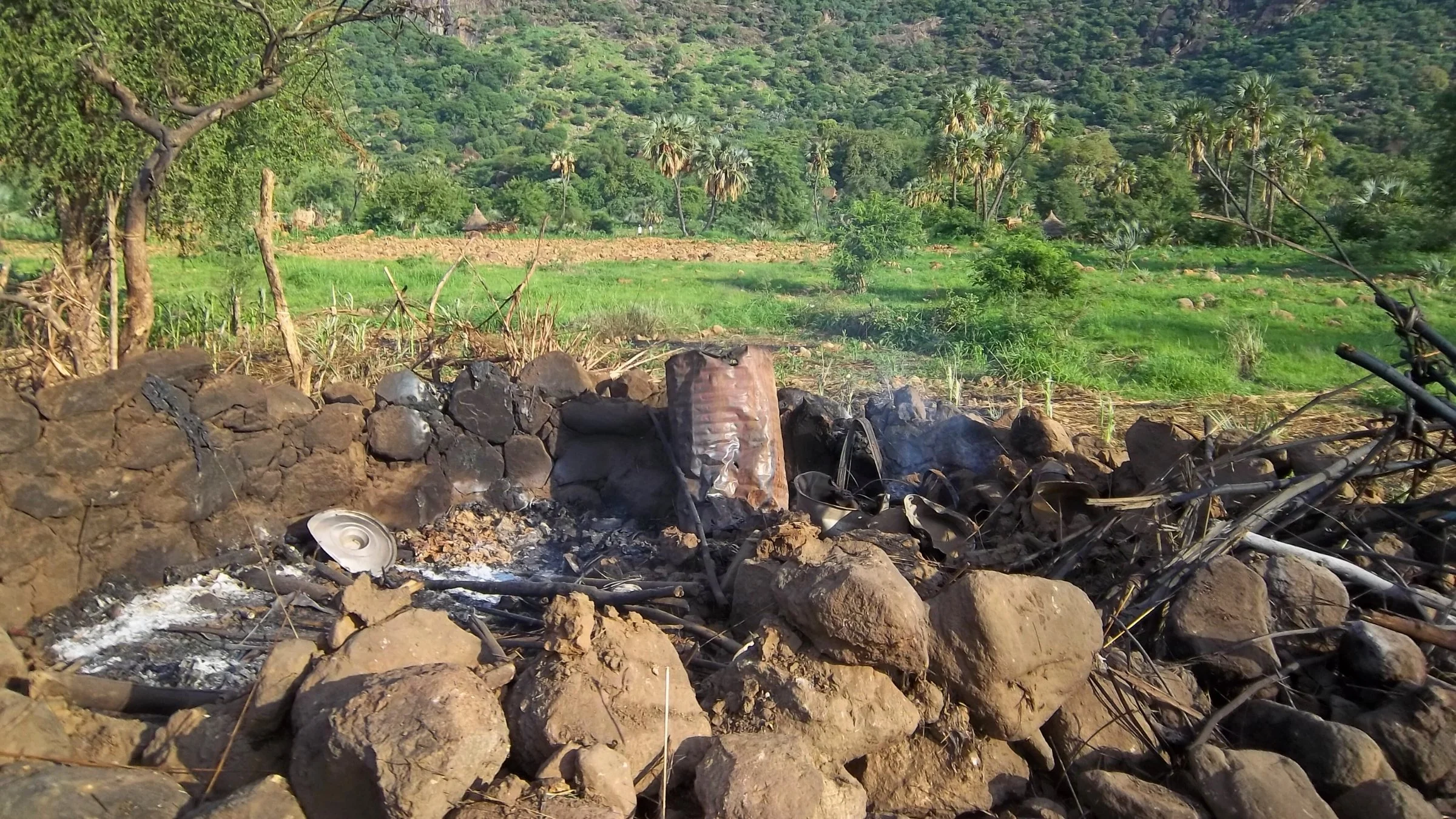
Photo: A home in Sudan’s Nuba Mountains smolders after being bombed by a regime warplane. The Sudanese government has denied committing two genocides in the region. (Operation Broken Silence)
This is a brief article providing a contextual background for understanding the issues Operation Broken Silence works on. It is part of our resource list for students, teachers, and the curious and was last updated January 2023. For more information about what's happening in Sudan and our work, please sign up for our email list.
Genocide denial is the attempt to minimize or redefine the scale and severity of a genocide, and sometimes even deny a genocide is or was being committed. It is the final stage of The 10 Stages of Genocide, a processual model that aims to demonstrate how genocides are committed.
The goal of genocide denial is twofold: cast doubt on charges of genocide to protect perpetrators and silence survivors. Genocide denial is an extended process that requires significant resources. It often begins before crimes are being committed and continues decades after the killing ends.
Examples of Genocide Denial
Campaigns of genocide denial are multi-faceted and cover a variety of actions. These are some of the common aspects that can be found in most genocide denials:
Redefining The Killing - Perpetrators and their enablers will often try to replace charges and accusations of genocide with a variety of terms, such as claiming that the killings are a “counter-insurgency” or civilians “caught in the crossfire” of a civil war. Sometimes perpetrators will even express false public remorse that civilians have been killed, but also claim that they were killed inadvertently.
Arguing Down The Numbers Of Those Killed - Human rights monitors, journalists, and other investigative entities usually don’t have full access to genocide-afflicted areas, so estimates of the number of people killed are often provided to the public. Perpetrators will often try to minimize the number of people who have been killed in the targeted group, knowing that date which is 100% accurate is not available to the world. For example, throughout the Darfur genocide, the Sudanese government regularly claimed that only 10,000 people had died, while evidence-based, conservative estimates stated over 250,000 people had been killed.
Victim Blaming - Perpetrators will often blame the victims, making false accusations that the aggressor was attacked first and they responded in “self-defense.” The most egregious perpetrators will claim that the victims “deserved it,” dehumanizing them even further to drive more killing and the silencing of survivors.
Denying Ongoing Killing - Genocide denial often starts before extermination begins, with the perpetrators brushing off concerns and warnings that a genocide they are preparing is imminent. Campaigns of denial are often become more elaborate when the killing begins. In rare moments of intense international focus, perpetrators will often deny committing or having specific knowledge of individual massacres they are accused of participating in.
Blocking Human Rights Investigations - Perpetrators will often block human rights monitors, journalists, and other investigative persons from entering afflicted areas. They will claim that outsiders are not allowed in because security is poor or blame the victim group, which may have self-armed to defend themselves. This prevents experts, humanitarian relief, and security assistance from reaching the most at-risk people and keeps the world in the dark on the specifics of a genocide.
Destruction of Evidence - Fearing criminal prosecution or an armed intervention by outside military forces, perpetrators will often dig up mass graves, burn the bodies, and try to cover up evidence and intimidate any witnesses. Documents and photographic evidence are sought out and destroyed. Lower-level perpetrators who carried out the killing face-to-face may be targeted by their commanders as part of the cover-up.
The Dangers of Genocide Denial
Genocide is a widespread enterprise, often involving tens of thousands of perpetrators up and down chains of command. Campaigns of genocide denial are rarely, if ever, successful in the long run. There are simply too many individual perpetrators involved to cover up every detail and shred of evidence, as well as survivors who have documented their own experiences.
Regardless, genocide denial still poses grave risks to victim groups and survivors, nation-states in which genocide has been committed, and international security.
Victim Groups and Survivors - Genocide denial is often painful to victim groups and survivors, even to generations who live after the crimes were committed. It is not just a denial of truth and reality, but also denies them the ability to heal, rebuild, and ease generational trauma. Research also suggests that one of the single best predictors of a future genocide is denial of a past genocide coupled with impunity for its perpetrators.
As long as the perpetrator group is in power, genocide denial provides an avenue to continue the genocide and prevent survivors and victims from finding paths forward. Yet even if perpetrators are removed from power, there are often still individuals and groups who rise up to deny a genocide. For example, Holocaust denialism still exists today despite the fall of Nazi Germany and the genocide being well-documented by the Nazis themselves.
Nation-States - Countries in which genocide has been committed and is being denied often face an array of challenges and threats in the aftermath. Large refugee and internally-displaced persons camps, devastated communities, poverty, insecurity, and more are left in the wake of a genocide. Societies are fractured and people groups –including bystanders– have lost trust in their neighbors.
Even if the perpetrator group has fallen from power, new governments often struggle to provide security, reparations, and truth and reconciliation processes to the citizenry. In some cases, genocide denial can lead to survivors taking matters into their own hands and committing revenge killings, which can lead to more genocidal massacres of the victim group.
International Security - The crime of genocide provides cover for other international crimes, such as weapons, human, and drug trafficking, wildlife poaching, and valuable natural resources being seized to fund more killing. Perpetrator militias and combatants may cross international borders to attack fleeing victims or help nearby allies, spreading chaos and insecurity as they go.
For example, Sudanese regime militias have fought in others wars in Libya, Central African Republic, and Yemen. They also control lucrative gold mines, cross international borders to poach endangered wildlife, and have participated in human and weapons trafficking networks. Their destabilizing impact has been felt throughout central, northern, and eastern Africa, not just in Sudan.
From Learning To Action
Our free global event turns everyday runs, bike rides, and walks into lifesaving support. Every mile you put in and dollar you raise helps fund emergency aid, healthcare, and education programs led by Sudanese heroes. We also have an option where you can skip the exercise and just fundraise. Every dollar raised makes a difference.
Checks can be made payable to Operation Broken Silence and mailed to PO Box 770900 Memphis, TN 38177-0900. You can also donate stock or crypto. Operation Broken Silence a 501(c)(3) nonprofit organization. Donations are tax-deductible within the guidelines of U.S. law. Our EIN is 80-0671198.
What Are Mass Atrocity Crimes?
Mass atrocities refer to large-scale, systematic violence against civilian populations. Learn more.
This is a brief article providing a contextual background for understanding the issues Operation Broken Silence works on. It is part of our resource list for students, teachers, and the curious and was last updated January 2024. For more information about what's happening in Sudan and our work, please sign up for our email list.
Mass Atrocities & Mass Killing
The term mass atrocities refers to large-scale, systematic violence against civilian populations. The term mass killing is generally used to refer to the deliberate actions of armed groups — including but not limited to state security forces, rebel armies, and other militias — that result in the deaths of at least 1,000 noncombatant civilians targeted as part of a specific group over a 12-month period.
Neither term has a former legal definition. Both are frequently used as an overarching, collective way to speak about other definitions found in this article and to draw attention to larger-scale conflicts and incidents in which the lives of civilians are at grave risk.
Genocide
Genocide is an internationally recognized crime where acts are committed with the intent to destroy, in whole or in part, a national, ethnic, racial, or religious group. These acts fall into five categories:
Killing members of the group
Causing serious bodily or mental harm to members of the group
Deliberately inflicting on the group conditions of life calculated to bring about its physical destruction in whole or in part
Imposing measures intended to prevent births within the group
Forcibly transferring children of the group to another group
Genocide differs from other crimes because it must be motivated by a specific intent to destroy, in whole or in part, a national, racial, ethnical, or religious group. Some of the acts involved in genocide, such as killing or sexual violence, can also constitute war crimes and crimes against humanity; however, for these acts to constitute genocide, they must be committed with the intent to destroy.
Ethnic Cleansing
The term ethnic cleansing refers to the forced removal of an ethnic group from a specific geographic area. A United Nations Commission of Experts investigating mass atrocity crimes in the former Yugoslavia defined it as “rendering an area ethnically homogeneous by using force or intimidation to remove persons of given groups from the area.”
Similar to the terms mass atrocities and mass killing, it is important to note that ethnic cleansing is not recognized as a standalone crime under international law. The practice of ethnic cleansing may constitute genocide, crimes against humanity, or war crimes though.

Left: The aftermath of an attack in the village of Masteri in west Darfur on July 25, 2020 (Mustafa Younes via AP). Right: The aftermath of a village being bombed in the Nuba Mountains in 2012 (Operation Broken Silence).
Crimes Against Humanity
Crimes against humanity are defined in Article 7 of the Rome Statute of the International Criminal Court as “any of the following acts when committed as part of a widespread or systematic attack directed against any civilian population, with knowledge of the attack:
Murder;
Extermination;
Enslavement;
Deportation or forcible transfer of population;
Imprisonment or other severe deprivation of physical liberty in violation of fundamental rules of international law;
Torture;
Rape, sexual slavery, enforced prostitution, forced pregnancy, enforced sterilization, or any other form of sexual violence of comparable gravity;
Persecution against any identifiable group or collectivity on political, racial, national, ethnic, cultural, religious, gender as defined in paragraph 3, or other grounds that are universally recognized as impermissible under international law, in connection with any act referred to in this paragraph or any crime within the jurisdiction of the Court;
Enforced disappearance of persons;
The crime of apartheid;
Other inhumane acts of a similar character intentionally causing great suffering, or serious injury to body or to mental or physical health.
In order for any of the above acts to constitute crimes against humanity, two elements must be met: the act committed against a civilian population (as opposed to soldiers or other non-civilian populations), and the act must be part of a widespread or systematic attack (not singular violations). Crimes against humanity are distinguished from “ordinary” crimes by being widespread or systematic, and by the targeting of civilians. Because crimes against humanity can be committed in the context of an armed conflict, it is possible for the same act to constitute both a crime against humanity and a war crime.
War Crimes
War crimes are defined in Article 8 of the Rome Statute of the International Criminal Court as grave breaches of the Geneva Conventions of 12 August 1949, namely, any of the following acts against persons or property protected under the provisions of the relevant Geneva Convention:
Wilful killing;
Torture or inhuman treatment, including biological experiments;
Wilfully causing great suffering, or serious injury to body or health;
Extensive destruction and appropriation of property, not justified by military necessity and carried out unlawfully and wantonly;
Compelling a prisoner of war or other protected person to serve in the forces of a hostile Power;
Wilfully depriving a prisoner of war or other protected person of the rights of fair and regular trial;
Unlawful deportation or transfer or unlawful confinement;
Taking of hostages.
Article 8 continues to define additional crimes that occur in the context of international and internal armed conflicts, such as killing or wounding already-surrendered enemy combatants, pillaging, and more.
War crimes, by definition, can only be committed in the context of an armed conflict. These crimes involve grave breaches of the laws of war, committed against people or entities who are protected under those laws (such as civilians and their property) and/or the use of prohibited methods or means of warfare. The acts that can constitute war crimes range from willful killing to pillaging, sexual violence, and declaring that there will be “no mercy” in a military operation.
From Learning To Action
Our free global event turns everyday runs, bike rides, and walks into lifesaving support. Every mile you put in and dollar you raise helps fund emergency aid, healthcare, and education programs led by Sudanese heroes. We also have an option where you can skip the exercise and just fundraise. Every dollar raised makes a difference.
Checks can be made payable to Operation Broken Silence and mailed to PO Box 770900 Memphis, TN 38177-0900. You can also donate stock or crypto. Operation Broken Silence a 501(c)(3) nonprofit organization. Donations are tax-deductible within the guidelines of U.S. law. Our EIN is 80-0671198.