News & Updates
Check out the latest from Sudan and our movement
Sudan’s Independence to Partition With South Sudan
The history of the geographic region now known as Sudan and South Sudan stretches back thousands of years. This overview focuses on the time period after Sudan’s independence in 1956.

Photo: Children of South Sudan practice their dance routine for the performance at the football match between South Sudan and Kenya during the independence celebrations of South Sudan on July 9, 2011. (UN Photo/Paul Banks)
This historical overview provides a contextual background for understanding the issues Operation Broken Silence works on. It is part of our resource list for students, teachers, and the curious and was last updated January 2024. For more information about what's happening in Sudan and our work, please sign up for our email list.
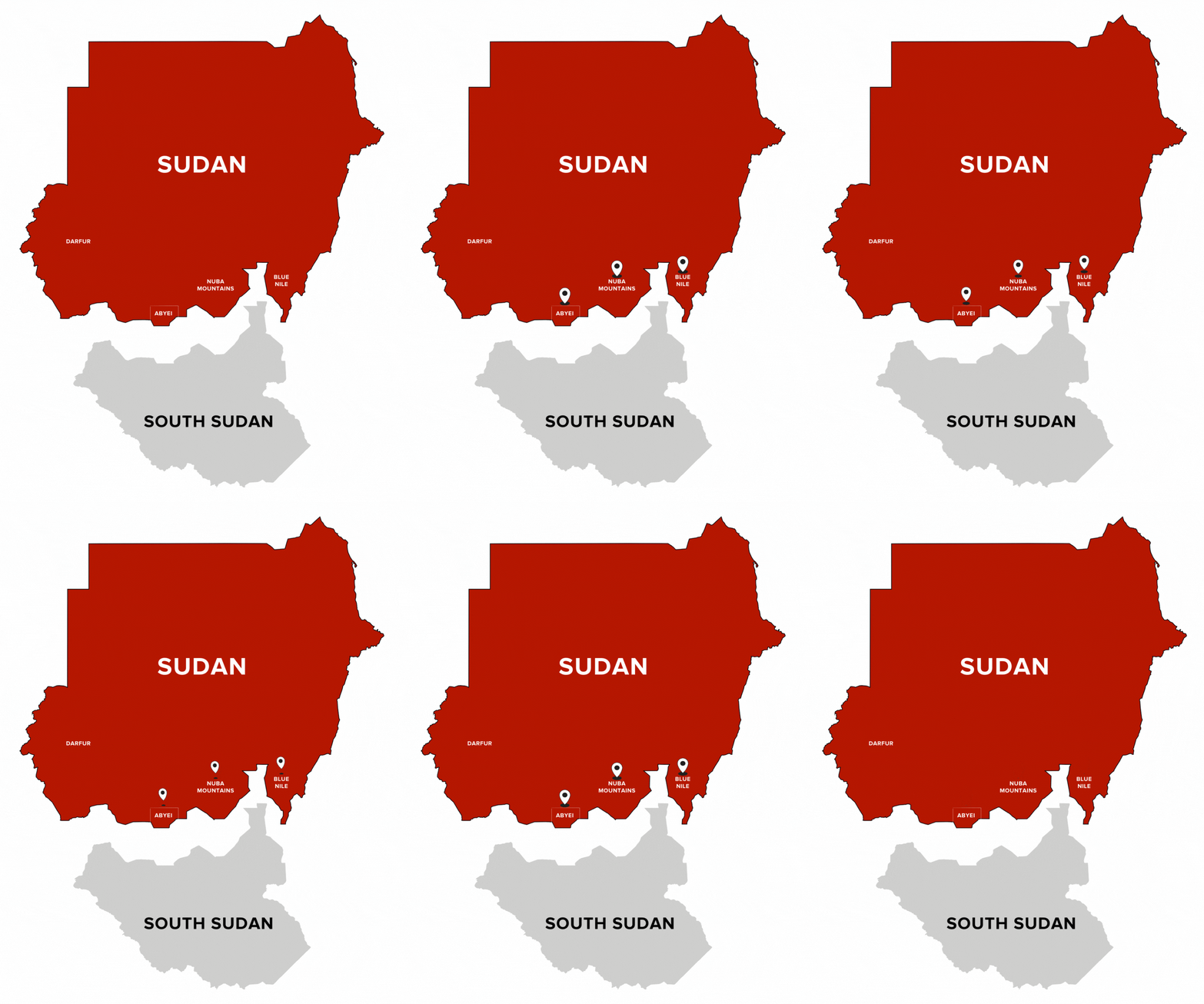
Map: Sudan and South today. (Operation Broken Silence)
Introduction
While the history of the geographic region now known as Sudan and South Sudan stretches back thousands of years, this overview focuses on the time period after Sudan’s independence in 1956.
A chronological examination of Sudan’s contemporary era can be broken out into four main periods:
Sudan’s Independence: 1956
First Sudanese Civil War: 1955-1972
Second Sudanese Civil War: 1983-2005
Peace Agreement & South Sudan Partition: 2006-2011
Since Operation Broken Silence’s mission is focused on issues in Sudan, this historical overview ends with South Sudan’s independence in 2011.
Sudan’s Independence: 1956
On January 1, 1956, Sudan gained independence from the Anglo-Egyptian Condominium, the joint British and Egyptian colonial government that administrated the region. The new country came with a rich diversity of over 600 ethnic groups speaking more than 400 languages in an area roughly one-third the size of the United States.
The region could broadly be broken into two areas: the geographic north, which was home to roughly 65% of the population and is predominately Muslim, with various ethnicities falling into the larger categories of African and Arab. The geographic south is now largely the country of South Sudan, where many individuals consider themselves Christian or animist, with their various ethnicities falling primarily under the broader category of African. While there are evident demographic differences between these two areas, the colonial government only perpetuated division further by governing the north and south separately, with most investment going to Arab-dominated regions of the north.
Sudan’s founding constitution failed to address two crucial issues. First, it was not decided if Sudan should be a secular or Islamist state. Second, the country’s system of national governance failed to include the majority of Sudanese and protect the rights of large minorities. This has been a core driver of conflict in Sudan ever since. As the years went by and national governance became dominated by elite Arab tribal groups in Khartoum, the central government failed to fulfill its promises to create a federal system that was more inclusive.

Map: Towns where South Sudanese troops mutinied against Khartoum. (Operation Broken Silence)
First Sudanese Civil War: 1955-1972
The consolidation of the two regions following independence caused fear across southern Sudan that centralizing political power in the north would soon rule over them.
In 1955, an unorganized mutiny by southern army officers began. Sudan would never be the same again. The resulting war progressed into three stages over a roughly 17-year period.
Stage 1: Unorganized Guerrilla Warfare (1955-early 1960s)
Southern Sudanese army troops mutinied in the garrison towns of Torit, Yei, Juba, and Maridi. While revolts were quickly suppressed, many survivors fled into the countryside to begin an uncoordinated, poorly armed insurgency.
The newly formed Sudanese government and the outgoing British saw these groups and their insurgency as a mere annoyance. Regardless, the Sudanese government began rebuilding its armed forces in the south.
Stage 2: Anyanya Movement Forms (early 1960s-1971)
As guerrilla leaders consolidated control over rural areas, they began to coordinate more closely together. The Anyanya emerged as a secessionist movement composed of the mutineers from 1955 and southern students.
Despite their differences and internal conflict, armed Anyanya units began expanding their control over much of rural southern Sudan. Noticing this, the central government responded by reinforcing garrison towns in the south.

Photo: President Jaafar Nimeiry, in office from May 25, 1969 – April 6, 1985. (US Defense Department)
The Sudanese government faced just as many internal divisions as the southern Anyanya. Successive coup attempts hampered the central government during this time. Popular protests kept Khartoum’s security forces tied up in major cities, which allowed the ever-growing southern rebellion to spread further. Marxist and non-Marxist elements in the upper military and political class jockeyed for power, further exacerbating internal crisis. A short-lived coup in 1871 against Sudanese leader Nimeiry Jaafar ended when he jumped from a window while incarcerated and his supporters rescued him.
Stage 3: South Sudan Liberation Movement (SSLM) Emerges (1971)
By 1969, the Anyanya Movement posed a formidable military threat to the Sudanese government in the north. Despite its own internal divisions, Anyanya fighters now had large swaths of the rural south under control.
After several internal coups and leadership changes in 1971, various Anyanya factions united under a single command structure and vision as the South Sudan Liberation Movement (SSLM).
Southern secession from Sudan and the formation of an independent state was the goal of the SSLM. Increasingly organized and with fewer divisions, SSLM forces fought the northern government’s bloody counter-insurgency campaign to a stalemate.
The war ended with the signing of the 1972 Addis Ababa Agreement between the SSLM and the northern government, granteing significant regional autonomy to southern Sudan. It also promised the Abyei area —located on the north-south geographic, ethnic, and religious fault line— the right to hold a referendum on remaining a part of northern Sudan or joining the semi-autonomous southern region.
Aftermath
It is estimated that the First Sudanese Civil War claimed roughly 500,000 lives, with only 20% being war-related civilian deaths or armed combatants. The Sudanese government’s violent counter-insurgency campaign left many southern Sudanese traumatized and deeply mistrustful of northern governments in Khartoum. Hundreds of thousands of southern Sudanese returned to reclaim their land; however, full reconciliation between the north and south never occurred. The seeds for the next war were planted at the end of the first, and the coming conflict would be one of the most destructive in human history.
Second Sudanese Civil War: 1983-2005
While the war and genocide in southern Sudan had racial and religious origins with roots in oppressive marginalization, the primary reason for this conflict was the system of exploitative and extremist governance in Khartoum that began to emerge in the 1970s. The Second Sudanese Civil War progressed in four stages over a 22-year period.
Stage 1: Rise of Islamic Extremism and Sudan People's Liberation Army (1983-1989)
Large quantities of oil were discovered in the south in 1978. Hungry for cash and power, Sudanese government leaders in the north violated the 1972 Addis Ababa Peace Agreement by attempting to seize control of these areas. Meanwhile, a much more terrifying force was gaining power in the shadows in Khartoum: Arab Islamic extremists.
By 1983, Arab Islamic political power had grown so much in the north that Sudanese President Nimeiry —desperate to hold onto power— declared all of Sudan an Islamic state. Under crushing pressure from the Islamists, he made the fateful decision to terminate southern autonomy. Southern leaders had been watching with great apprehension for years as the extremists consolidated power in Khartoum. Now it was clear that the violent ideology building in the north would soon be unleashed against their homeland in the southern Sudan.
The Sudan People's Liberation Army (SPLA), the successor armed rebel movement to the SSLM, began forming almost immediately. Southern soldiers mutinied across Sudanese government ranks and returned to the south to prepare for the inevitable invasion. SPLA forces seized large swaths of rural areas in southern Sudan. The speed at which the southern rebellion grew caught the Sudanese government off guard, so much so that in 1984 President Nimeiry announced the end of sharia (religious Islamic law) in the south. However, this move did little to comfort southern leaders.
A short-lived coup unseated Nimeiry in 1985 and led to open fighting in southern Sudan between government forces and SPLA troops. Protests swept across Sudan in 1988 as the war strained the economy. Under pressure from across Sudan, the northern government attempted to secure peace with the southern SPLA. A fragile agreement was finally reached; however, it proved to be too little too late. The Arab Islamists were nearly prepared to put their twisted vision for Sudan in motion.
Stage 2: Bashir Regime Seizes & Consolidates Power (1989-1991)
In 1989, Colonel Omar al-Bashir and the National Islamic Front seized power in a military coup. Bashir took the titles of president, chief of state, prime minister, and chief of the armed forces. Wielding a Koran and an AK-47 rifle in Khartoum, Bashir declared to soldiers that he was going to reengineer the country into one dominated by an ethnic Arab elite and ruled by oppressive sharia law.
Between 1989-1991, Bashir’s military regime consolidated control over the government by banning trade unions, political parties, and other non-religious institutions. Over 70,000 members of the army, police, and civil administration were purged.
In 1991, the Bashir regime instituted sharia law across all of Sudan. Alarm bells sounded across southern Sudan: the time to prepare for war was running out.
Stage 3: War & Genocide Consumes southern Sudan (1992-2001)
The full-blown war came in the summer of 1992. A massive Sudanese government offensive into southern Sudan drove the SPLA out of their rural strongholds and into the borderlands. Unarmed communities were bombed with conventional and chemical weapons. Tens of thousands of Arab Islamist militias —which the Bashir regime had built up quietly since seizing power— were unleashed on the southern population to murder, pillage, and occupy.
The rapid invasion of southern Sudan nearly crushed the SPLA and divided the rebel army into two factions that would only split further. For the next few years, SPLA factions fought each other as well as a manipulative Bashir regime, who attempted to pit SPLA groups against each other with promises of power, wealth, and ceasefires.
Southern Sudanese began fleeing into the few remaining areas underneath SPLA control. Endless streams of refugees arrived at the Ugandan and Ethiopian borders, bringing with them horrifying stories of widespread massacres and rape. Regional distrust of the Bashir regime skyrocketed. Fearful that the war would soon spill across their own borders, Uganda and Ethiopia began providing the SPLA with direct military assistance and training.
Meanwhile, the SPLA began sending arms and small units throughout southern Sudan, even as far north as the Nuba Mountains region, where war had broken out as well. Sudanese government forces soon found themselves fighting a near-invisible enemy. The guerrilla warfare strategy adapted by the SPLA began to strangle regime supply lines. Government forces regularly carried out reprisal massacres against southern Sudanese following hit and run battles with the SPLA.
Successive famines from a regime-enforced humanitarian blockade rocked southern Sudan and caused the death toll to accelerate. As horrific images poured out of southern Sudan, international efforts to end the conflict and cripple the Bashir regime increased. Half a world away in Washington D.C., a bipartisan, furious group of American leaders viewed the Bashir regime as a harbinger of international terrorism that was committing genocide in southern Sudan.
Stage 4: International Intervention (2002-2005)
By the late 1990s, the tide of the war was shifting. With arms and training from Uganda and Ethiopia, the SPLA had once again taken control of larger swaths of rural southern Sudan. Regime supply lines between government garrison towns were being strangled by the SPLA. The Bashir regime responded with more scorched-earth tactics and increased bombings on civilian areas.
In October 2002, the US government passed the Sudan Peace Act, comprehensive legislation that dramatically increased American support to the southern Sudanese cause. Underneath the Bush administration, the US government began providing direct humanitarian relief and confronting the Bashir regime on the international stage. The legislation declared that Sudanese government crimes in southern Sudan amounted to genocide.
On top of growing battlefield losses, the Bashir regime found itself fully isolated on the international stage. Crushing American sanctions and diplomatic activity had turned Bashir and other regime leaders into global pariahs. The regime’s genocide in the south had become too costly to continue.
Fighting began to recede in 2003 and 2004. Seizing on the moment, American diplomats mobilized international partners and began brokering a peace agreement that aimed to address the majority of the issues between northern and southern Sudan.
Meanwhile in the western Darfur region of Sudan, an uprising against regime oppression was beginning to be met with another brutal genocide at the hands of the Sudanese government.
Peace Agreement & South Sudan Partition
On January 9, 2005, the Bashir regime and the SPLA signed the Comprehensive Peace Agreement (CPA). The CPA secured a referendum vote on southern independence after an interim period of autonomy and provided a wide-array of potential solutions for a slew of other issues.
The implementation of the CPA deteriorated leading up to southern Sudan's vote for independence. The vote went ahead despite concerns of a renewed conflict and intense pressure from the international community on the Bashir regime.
After decades of war, the people of southern Sudan voted 99% in favor of independence. On July 9, 2011, mass celebrations swept across South Sudan as it became the world's newest country.
Noticeably left out of the CPA though were any paths forward for the Nuba Mountains, Blue Nile, and Abyei three areas that straddled the north-south fault line. Abyei remains a flashpoint between Sudan and South Sudan today. The Bashir regime launched new genocidal wars in the Nuba Mountains and Blue Nile during South Sudan’s independence, and successive military junta’s in Khartoum have refused to seek peace in these two areas ever since.
From Learning To Action
Our free global event turns everyday runs, bike rides, and walks into lifesaving support. Every mile you put in and dollar you raise helps fund emergency aid, healthcare, and education programs led by Sudanese heroes. We also have an option where you can skip the exercise and just fundraise. Every dollar raised makes a difference.
Checks can be made payable to Operation Broken Silence and mailed to PO Box 770900 Memphis, TN 38177-0900. You can also donate stock or crypto. Operation Broken Silence a 501(c)(3) nonprofit organization. Donations are tax-deductible within the guidelines of U.S. law. Our EIN is 80-0671198.
Movement Spotlight: Emily Selby Smith
How one graduate student helped to expand our suite of educational resources on Sudan.
Operation Broken Silence is a small nonprofit with a big mission of empowering Sudanese heroes in some of the most oppressed parts of their country. We’re only able to do this with the help of our movement, which includes donors, fundraisers, volunteers, and partnerships found around the world.

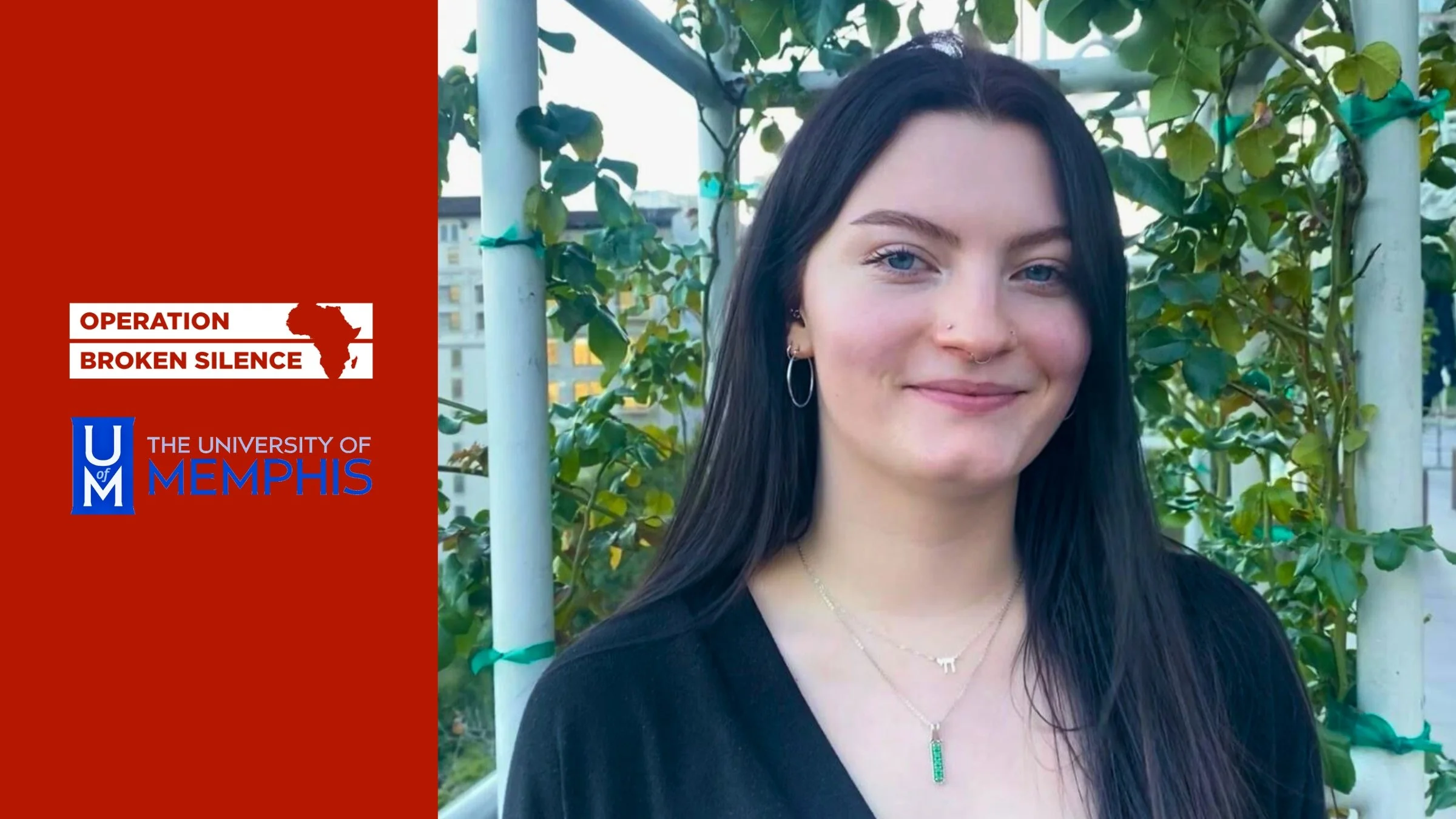
We want to share about a recent partnership that benefits you and everyone else in our movement, and beyond! Meet Emily Selby Smith, a graduate student in the Anthropology Department at the University of Memphis:
“Currently, I am a master's student in UofM’s Applied Anthropology program. I was drawn to the department and UofM because they are deeply engaged with helping the community.
My research interests are in genocide education and recovery, so working with community organizations collaboratively is very important to me. One thing that drew me to genocide education and recovery is the need to discuss what is happening, often it can be so difficult to speak about it but with more education efforts I believe that things can change!”
Sudan is not well-known to many people, and that’s not their fault. The country is rarely in the news for sustained periods of time and makes even fewer appearances in high school and college textbooks. Learning about the diversity of people living there and their challenges is not as easy as it should be.
Emily has partnered closely with our team since May 2023 to help us begin changing that. She worked across the organization to overhaul and expand our educational materials so they can be more useful to teachers, students, and people who want to learn more:
“After some preliminary searching of what is out there, I began to interview supporters, educators, and people within the organization to understand how they used the Educators and Learners pages, what they would like to see, and what steps could be taken in the future. I then continuously worked to write, rewrite, and edit while paying attention to the images and videos we could use.
One thing that stood out to me during my research was the lack of resources on women’s experiences in Sudan. Often it can be both difficult to address and underreported, but many interviewees shared that they hoped to be able to teach about it and have the language and resources to do so. By creating a resource page specifically for women’s experience I believe that it brings together this very difficult topic to address in ways that can spark hope and change.”

As the crisis in Sudan continues to escape the world’s attention, resources like these are critical to closing knowledge gaps with veteran and new supporters alike, as well as help to bring in new faces who want to learn more and get involved. Emily says:
“Often violence does not start out of the blue, and the violence in the Nuba Mountains and Sudan highlight that. The new resources are able to inform teachers and students about the multiple and complex issues of Sudan while also presenting information about international genocide prevention and protection. By presenting both sides, I believe it shows not only what is happening but how international processes work and might bring about change in the future!”
Our desire is that partnerships with Operation Broken Silence benefit and encourage everyone involved. For Emily, that meant deepening her educational drive and benefiting others along the way:
“After speaking with teachers and supporters about how they use these resources it gave me a larger drive to continue genocide education. But also, being able to make changes based on what everyone wanted to see to benefit all in the future was such a fulfilling experience. Changing and adding resources only helps the OBS and the people of Nuba for more visibility and advocacy.”
Thank you to Emily and our friends in the Anthropology Department at the University of Memphis for helping us with this critical project. Improving our educational resources was not something we could have accomplished on our own, and we are always encouraged when we get to partner with the university.
Join Our Mission In 2024
The current crisis unfolding in Sudan is now the most dangerous and destructive humanitarian catastrophe in the world. Entire communities are being destroyed by extreme violence and hunger. Our Sudanese partners are struggling as the war spreads and program costs skyrocket.
In 2024, we’re searching for 100 supporters who can give $50/month to their life-saving work. ⚡️Your first three monthly gifts will be matched by a private donor.⚡️

The Renewal is our passionate family of monthly givers supporting Sudanese heroes. When we match their grit with a monthly financial commitment, we become an unstoppable force for good.
91 more monthly givers are needed.
You’ll receive updates from our partners roughly every 4 months and an annual giving statement at the beginning of each year.
Operation Broken Silence is a registered 501(c)(3) nonprofit organization. Your donations are tax-deductible within the guidelines of U.S. law.
Other Ways To Help
Online Donations - You can make a one-time gift above by selecting One time.
Checks - Make payable to Operation Broken Silence and mailed to PO Box 770900 Memphis, TN 38177-0900.
Stocks & Mutual Funds - Use this giving form to donate stock. To give from a mutual fund, download our Investment Fund Transfer Form and follow the instructions. Please note that all stock and mutual fund donations are nonrefundable.
Cryptocurrency - Use this giving form to donate crypto. Please note that all crypto donations are nonrefundable.
Fundraise - Start a fundraising page and ask friends and family to give! These last few days of the year are the perfect time to fundraise.
Nuba Education Update - December 2023
Get the latest news from the Nuba teachers and students you support in Yida Refugee Camp!
In 2015, Operation Broken Silence began funding four Sudanese teachers in Yida Refugee Camp. They were giving lessons underneath a tree with a broken chalkboard. They had no textbooks, paper, pencils…nothing.
With your support, their small but brave effort has blossomed into the Endure Primary and Renewal Secondary Schools. 24 Nuba teachers and a headmaster work here every day. They run the show, not us, and serve 1,157 students in their classrooms every week. Endure Primary is the top performing elementary school in the region and a treasured possession of the Nuba community. Renewal Secondary is the only fully-functioning high school in Yida. More than 10,000 children have been served by the school to date.
Operation Broken Silence is the only organization in the world supporting childhood education in Yida Refugee Camp. Beyond these schools, we support Yida’s only other secondary school, a national exam preparation program for all primary students in Yida, and deliver a limited amount of classroom supplies to the eight other schools in the camp.
Nasrah’s Story
Nasrah was born in the Nuba Mountains. Her family arrived in Yida almost 9 years ago after the Sudanese government attacked their village. She barely remembers her home, saying:
“We did not have clean water or a school near to us at home. When the Antonov (regime plane) came and dropped bombs on us we ran and my mother brought us here to Yida.”
Humanitarian conditions in Yida were rapidly improving when they arrived. Nasrah’s mom was surprised to find clean water easily accessible and multiple schools for Nasrah and her brother.
“My mother still talks about how strange it is that life is usually easier here than it was for us at home. I know she wants to go back to our land, but she does not feel secure now that there is another war.”

Like most families in Yida, they hope to return one day to their homes in the Nuba Mountains. Until then Nasrah is enrolled at the Renewal Secondary School, which is funded entirely by people just like you. Her teachers and friends provide a sense of hope in this time of great upheaval in Sudan. She says:
“Yida is home because my people and family are here. My mother and her friends talk about how much Sudan needs new leaders who care about us. At school my teachers tell us we are the future leaders and that we can end the wars one day. I have learned to read and write from them and have good grades, but having teachers and people on the other side of the world who believe in me is what I will always carry with me from this place. Thank you for joining my people’s struggles. I don’t know what would have happened to us without our teachers and all of you who hear my voice.”
Recent Updates
Schools In Yida. It’s been a bittersweet year as refugee families once again begin trickling into Yida. Children displaced by the new war in Sudan have been warmly welcomed at the schools, but the reality of the world’s most dangerous armed conflict and worst humanitarian catastrophe weighs heavy on the hearts of everyone.
Thankfully, the teachers you support are uniquely positioned to help. Attendance at Endure Primary has climbed from almost 500 students daily before the war up to 720. Daily attendance has surged nearly 70% to 437 students at Renewal Secondary. Families continue trickling into Yida and are seeking to enroll their children at both schools. The teachers have informed us they still have some breathing room; but, if education needs keep climbing as we expect, both schools will likely be at maximum capacity by Summer 2024.

Photo: Renewal Secondary students celebrate their school achieving first place in national exams. (Operation Broken Silence)
Another round of national exams were conducted in August. Endure Primary and Renewal Secondary remained the top-performing schools in the region just as they have the past several years. And a record 43 out of the 45 students who took the Grade 8 national exam passed and are now enrolling at Renewal Secondary! A perfect score is 400 points and the five top-performing students were Yesmin Khamis Hassan (368.2), Makabula Peter Abdu (354.3), Amin Luke Nadir (353.4), Emmanuel Abdu Abdurahaman (352.5), and Sabri Andraws Junub (350). Congratulations!
Earlier this year, repairs and infrastructure upgrades were completed in most classrooms at both schools. This included more weatherproofing, new roofs and over 4,500 new bricks for replacement walls. Additional materials and backup tarps are also in storage for future repairs. This was made possible with some extra giving from our donors and is already paying dividends. With costs of most supplies skyrocketing from the war, these completed upgrades have kept classrooms in good shape at a time when extra financial support for this type of critical work is difficult to come by.

Photo: Children playing in Yida Refugee Camp at the end of a school day. (Operation Broken Silence)
Broader Education Support In Yida. Endure Primary School continues serving as the central national exam preparation facility for primary students in Yida. The camp’s eight other primary schools receive support and resources annually from our teachers for student test prep. This ancillary program positively impacted 1,458 additional students this year!
Vision Secondary, the only other high school in Yida, remains afloat with help from our teachers. The school was founded several years ago with pledges of support from outside nonprofits and churches, none of which materialized. This is one chapter in a long history of unfulfilled promises to the Nuba people that our education partner is having to mitigate. The teachers at Vision are all untrained, so a handful of the teachers at Renewal Secondary have stepped in to help teach science and provide guidance and crash course training.
Our Nuba education partner continues delivering a limited amount of basic supplies to Yida’s other primary schools, most of which operate with little to no outside support. Chalk, paper, pencils and notebooks remain the most requested items. These deliveries are critical to sustaining Yida’s already fragile education system, but are becoming more difficult to pull off due to rising prices brought on by the war.
We’re working with these incredible teachers to carry the mission forward, but we need your help.
How You Can Help
2023 has been a difficult and remarkable year in Sudan. Difficult in that the regime’s civil war has inflicted unprecedented death and destruction on the Sudanese people. Remarkable in that we’ve seen more bravery, love and grit in our Sudanese partners than ever before.
Funding for the schools remains an uphill battle due to rising costs from the war. The teachers are also receiving fewer donations due to internationally-minded donors moving their focus to the wars in Ukraine and Israel/Palestine, despite the humanitarian crisis in Sudan being the worst in the world. The result is that our Nuba education partner is running on roughly 60% of the funding they need to provide a more holistic education experience for Sudan’s next generation of leaders.
The good news is that you can help them overcome these challenges. Your generosity will help our teachers and students make progress against the odds:
$2,200: Fund an entire classroom at Endure Primary for one semester.
$1,000: Support one teacher for an entire semester.
$750: Deliver three new chalkboards to classrooms.
$500: Give additional materials and extra pay to teachers who are working with students to prepare them for national exams.
$250: Provide for maintenance needs in classrooms.
$100: Give pencils, notebooks and other supplies to 16 students in Yida Refugee Camp.
$50: Give soccer balls and other sporting equipment to students.
Operation Broken Silence is a registered 501(c)(3) organization. Your donations are tax-deductible within the guidelines of U.S. law.
Other Ways To Give
Checks - Personal checks and grants from DAFs can be make payable to Operation Broken Silence and mailed to PO Box 770900 Memphis, TN 38177-0900.
Stocks and Mutual Funds - Use this giving form to donate stock. To give from a mutual fund, download our Investment Fund Transfer Form and follow the instructions. Please note that all stock and mutual fund donations are nonrefundable.
Cryptocurrency - Use this giving form to donate crypto. Please note that all crypto donations are nonrefundable.
Fundraise - Start a fundraising page and ask friends and family to give! These last few days of the year are the perfect time to fundraise.
Give Monthly - The Renewal is our passionate family of monthly givers supporting Sudanese heroes. Sign up here.

Make your last gift of 2023
We’re hoping to send another round of emergency funding to our Sudanese partners before year’s end. Your gift can help make that happen.
Friends and supporters,
It has been both a difficult and remarkable year in Sudan. Difficult in that the regime’s civil war has inflicted unprecedented death and destruction on the Sudanese people. Remarkable in that we’ve seen more bravery, love, and grit in our Sudanese partners than ever before.
Giving deadlines are below, but we encourage you to make your final gift of 2023 now. We need to send another round of emergency funding to our Sudanese partners in early January. Your gift can help make that happen and is tax-deductible within the guidelines of U.S. law.
$1,000 - Fully funds one classroom at Endure Primary School in Yida Refugee Camp for half a semester.
$500 - Delivers food to Darfuri genocide survivors who have fled to South Sudan.
$250 - Provides a daily breakfast to 10 children for an entire month in Adré refugee camp, where many Darfuri genocide survivors now live.
$100 - Supports the monthly work of a sexual assault counselor in Zamzam displacement camp in North Darfur, Sudan.
$50 - Helps repair classrooms in Yida damaged by seasonal rains and provide for general maintenance.
Giving Season Deadlines
For gifts to count toward the 2023 tax year:
Online Donations - Sunday, Dec 31
Checks - Dated & postmarked by Friday, Dec 29. Make payable to Operation Broken Silence and mail to PO Box 770900 Memphis, TN 38177-0900.
Donor-Advised Funds - Ask your DAF manager for grant submission cutoff times. It usually takes several days for DAFs to process grants. We recommend submitting your donation now.
Stocks & Mutual Funds - Must be processed by close of markets on Friday, Dec 29. To give from a mutual fund, download our Investment Fund Transfer Form and follow the instructions. Please note that all stock and mutual fund donations are nonrefundable.
Cryptocurrency - Must be processed by midnight on Sunday, Dec 31. Blockchain processing times vary, so we encourage you to donate by December 30 to ensure adequate time for your gift to process. Please note that all crypto donations are nonrefundable.
Have a question before giving? Shoot us a message here and we’ll be in touch soon. With your generous support, we can help our Sudanese partners continue saving and change lives for the better.
Giving Tuesday 2023
You raised and gave over $15,000 for Sudanese heroes this Giving Tuesday! Learn more.
Friends and supporters,
Your generosity on this year’s Giving Tuesday was simply incredible. Donations are still trickling in, but as of today you raised and gave $15,261 across all of our primary and private campaigns. Well done!
Next week, the support you’ve provided will be sent to the education, healthcare, and emergency response programs we assist in Sudan. The ongoing war has made the work of the Sudanese heroes we partner with even more important than it already was. You are proving that when we pool our resources together, we can help them do amazing things for the people they serve. Thank you for an incredible day of generosity!
To learn more about the Sudanese heroes we support and see the latest news from them, we encourage you to visit our programs page.
The Giving Season
There is still much work to be done in these final days of 2023. Join us by giving once or through The Renewal, our family of monthly givers:
$200: Supports a teacher for one month.
$150: Pays a nurse assistant’s salary for an entire month.
$100: Provides pencils, notebooks, and other basic school supplies for 16 students.
$50: Gives nets, balls, and more play.
Checks can be made payable to Operation Broken Silence and mailed to PO Box 770900 Memphis, TN 38177-0900. You can also donate stock or crypto.
Your donation is tax-deductible within the guidelines of U.S. law. Please keep your email donation receipt as your official record.
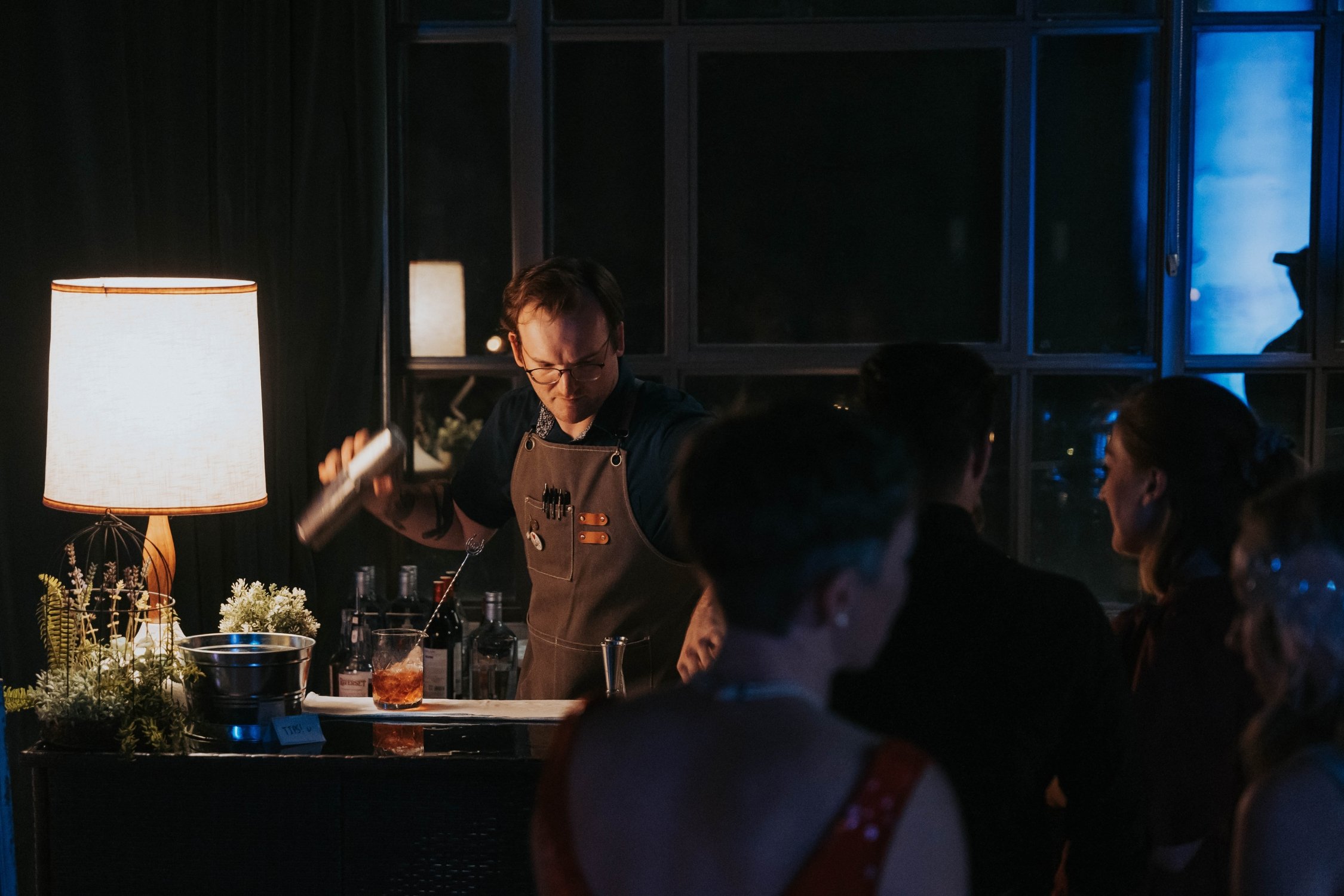
The 11th annual Soirée For Sudan
On October 7, 2023, our supporters came together to celebrate teachers and students in Yida Refugee Camp.
On October 7, our supporters came together to celebrate teachers and students in Yida Refugee Camp. This marked the eleventh year of Soirée For Sudan. Thank you to all of you who showed up!
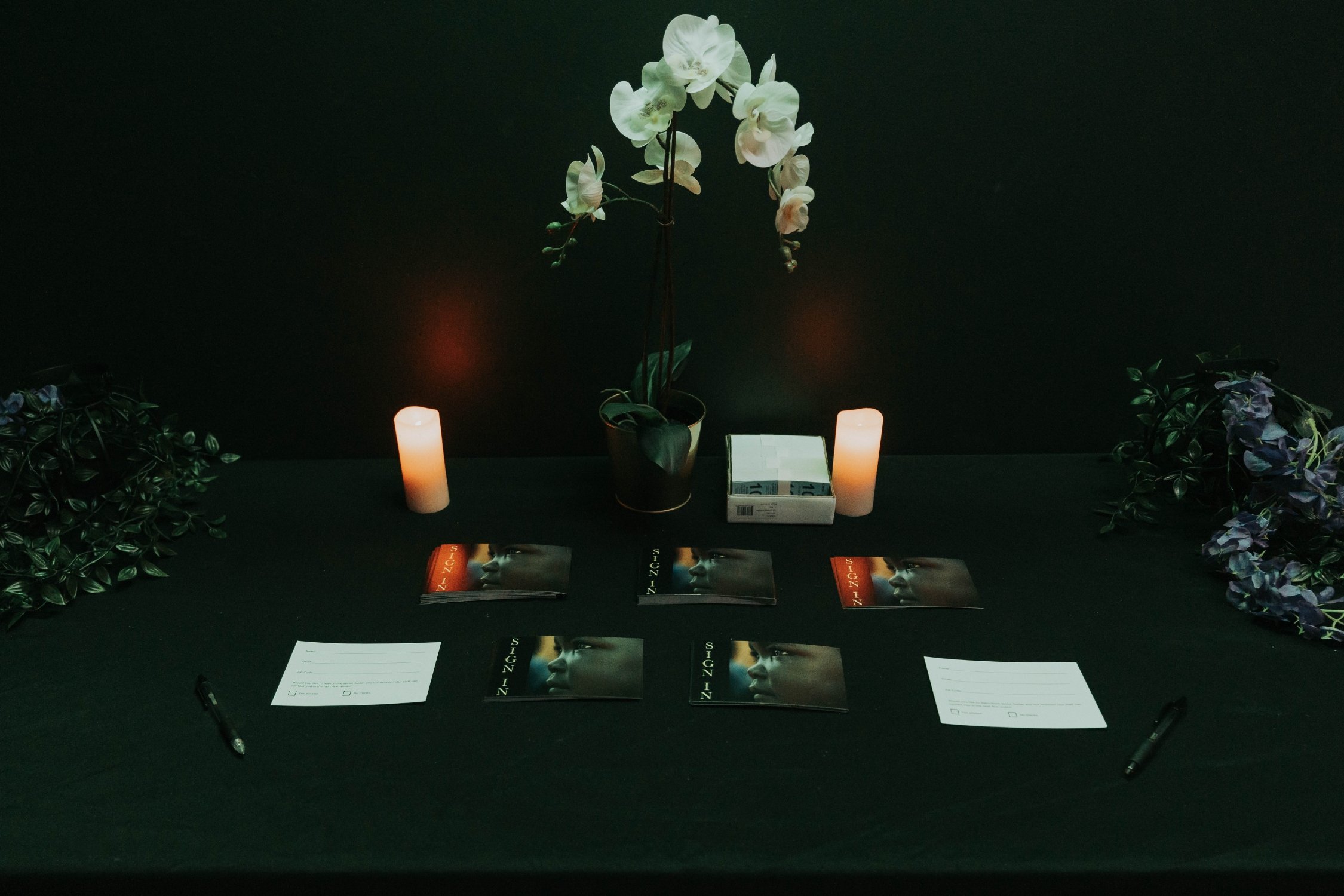
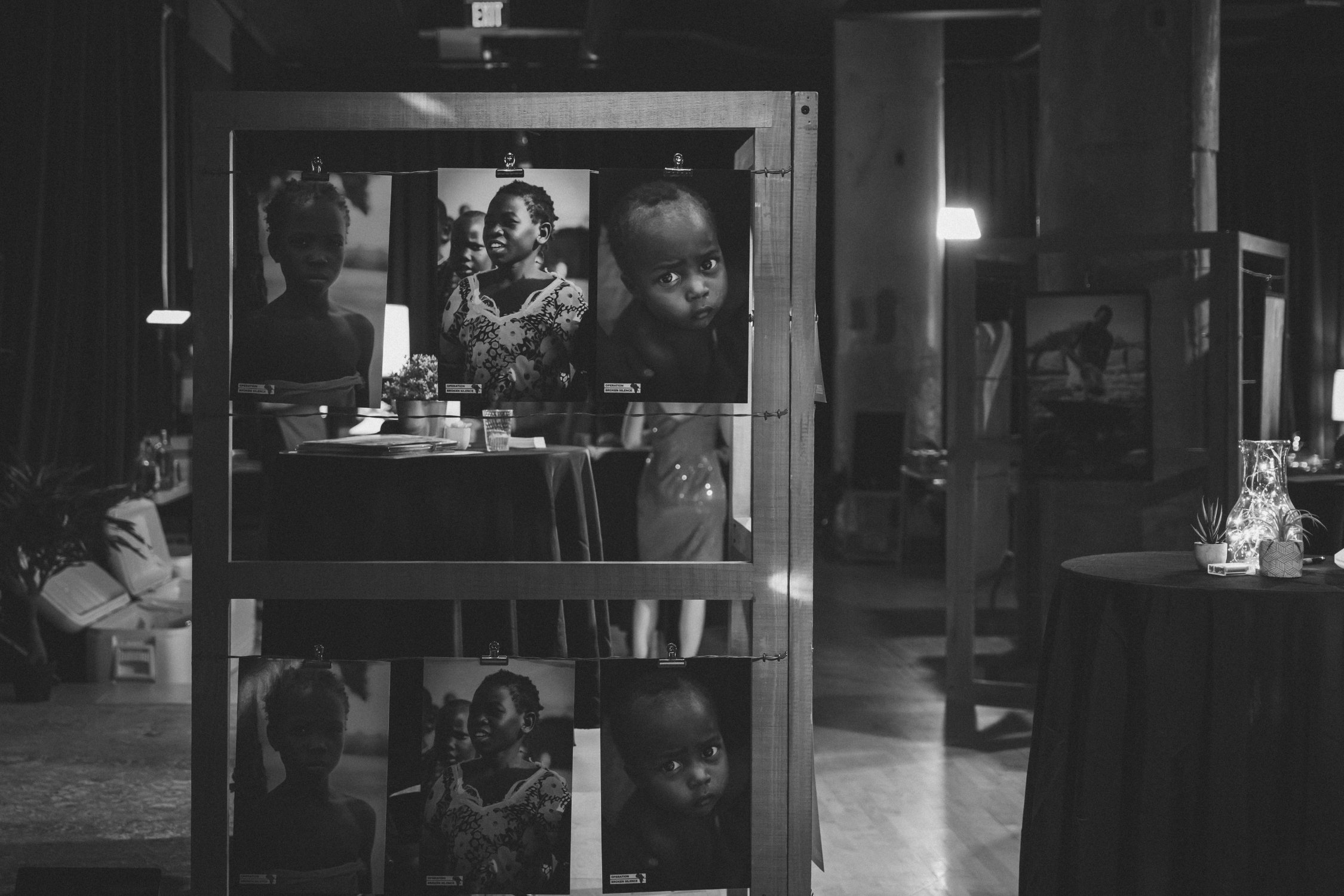
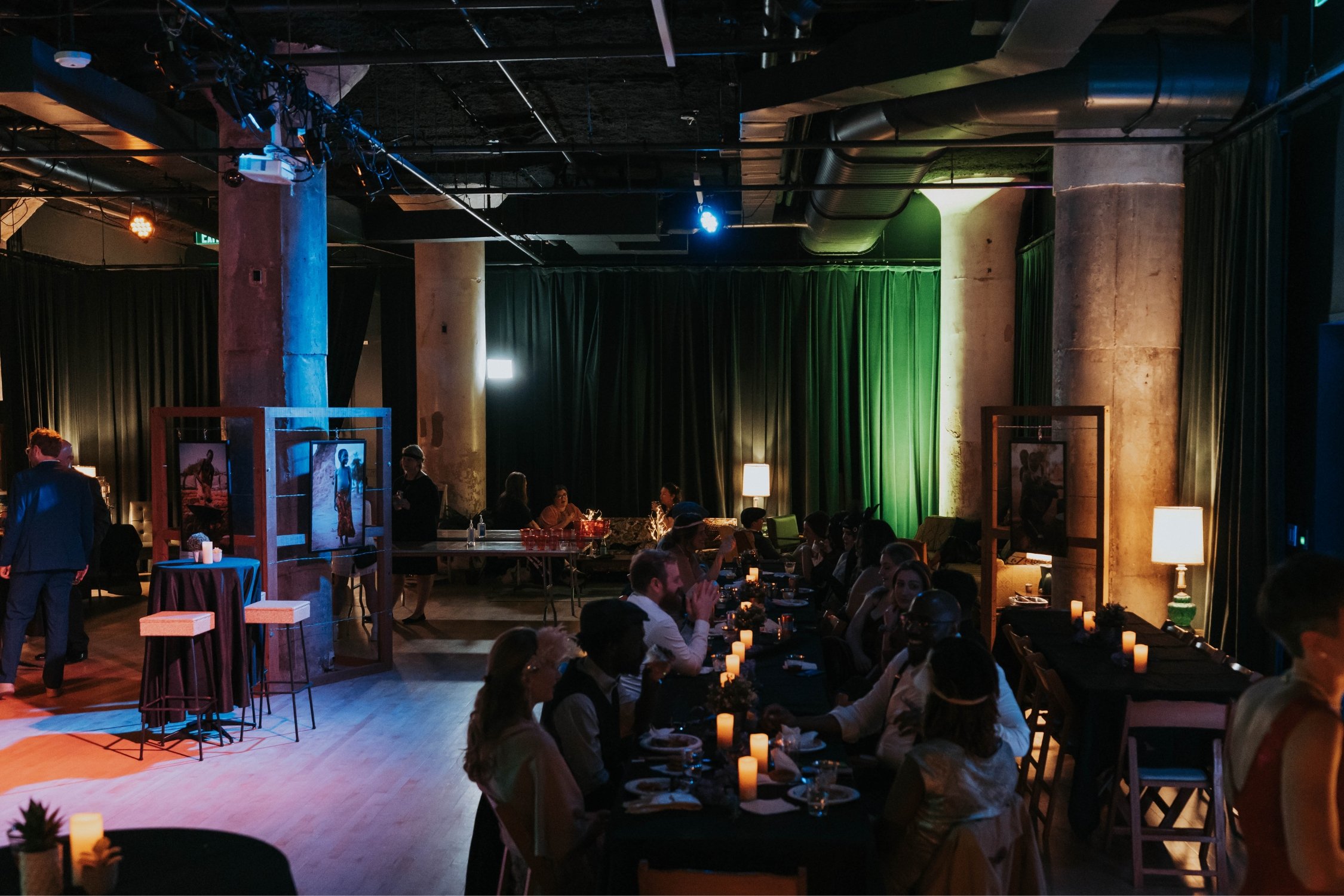
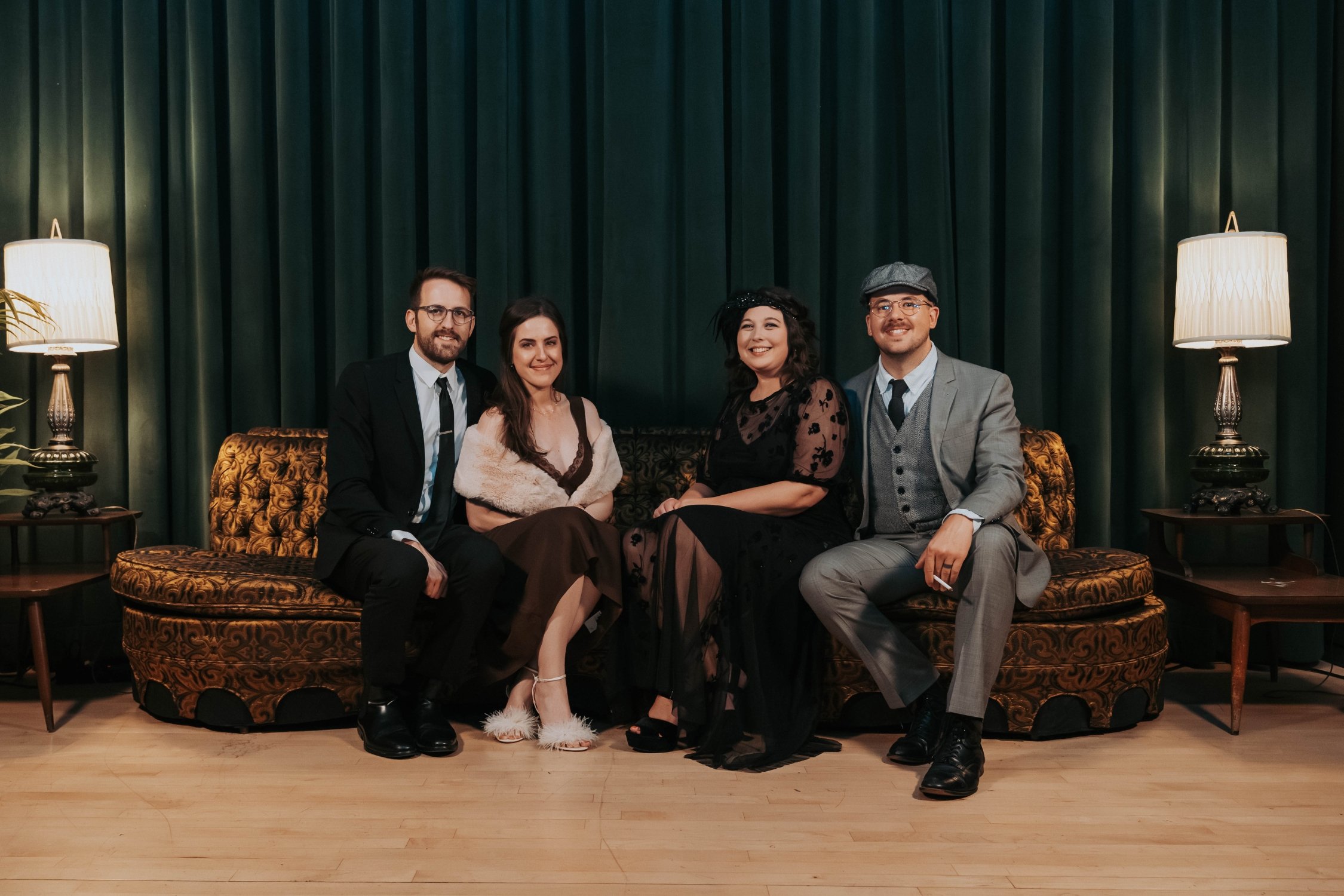
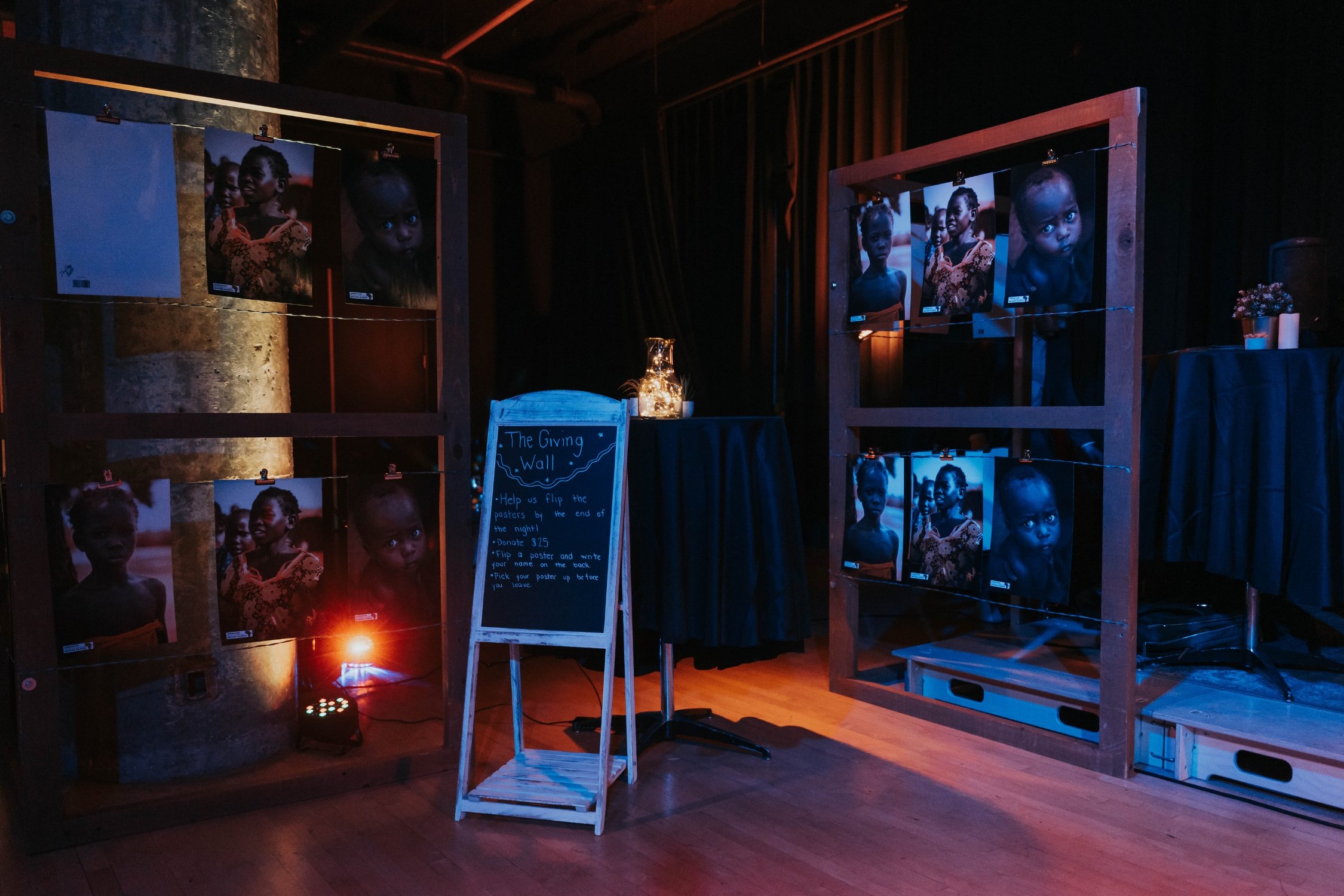
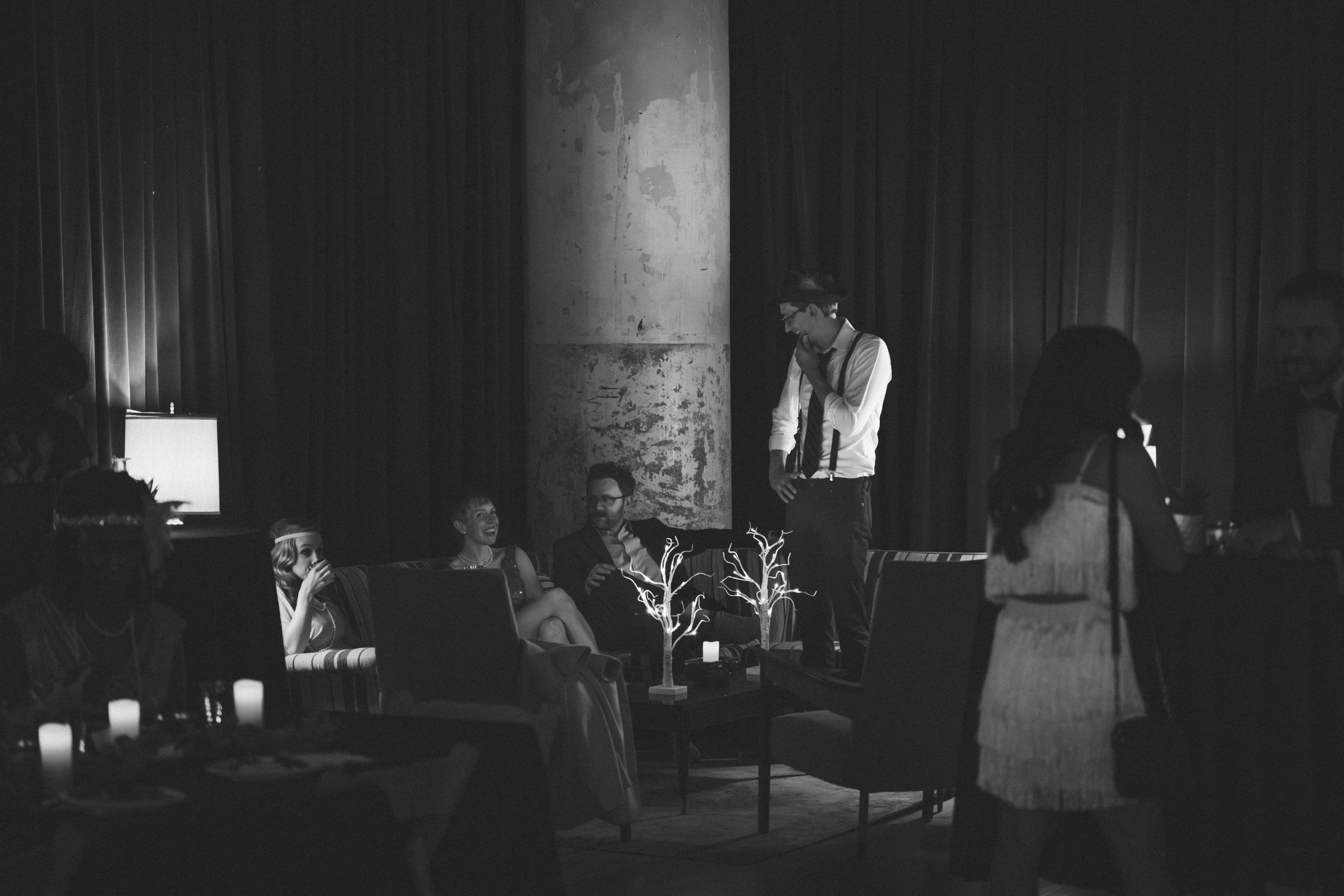
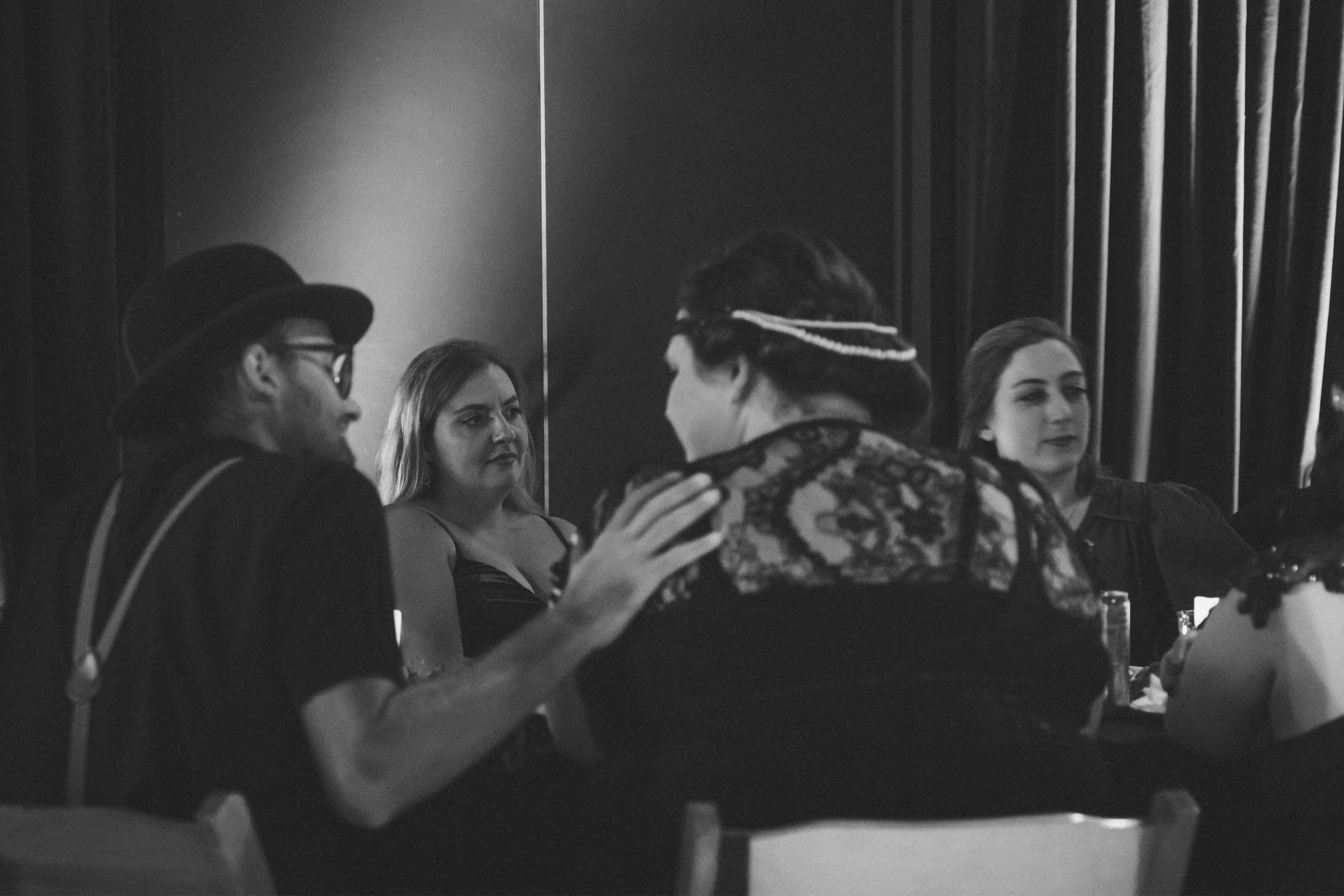

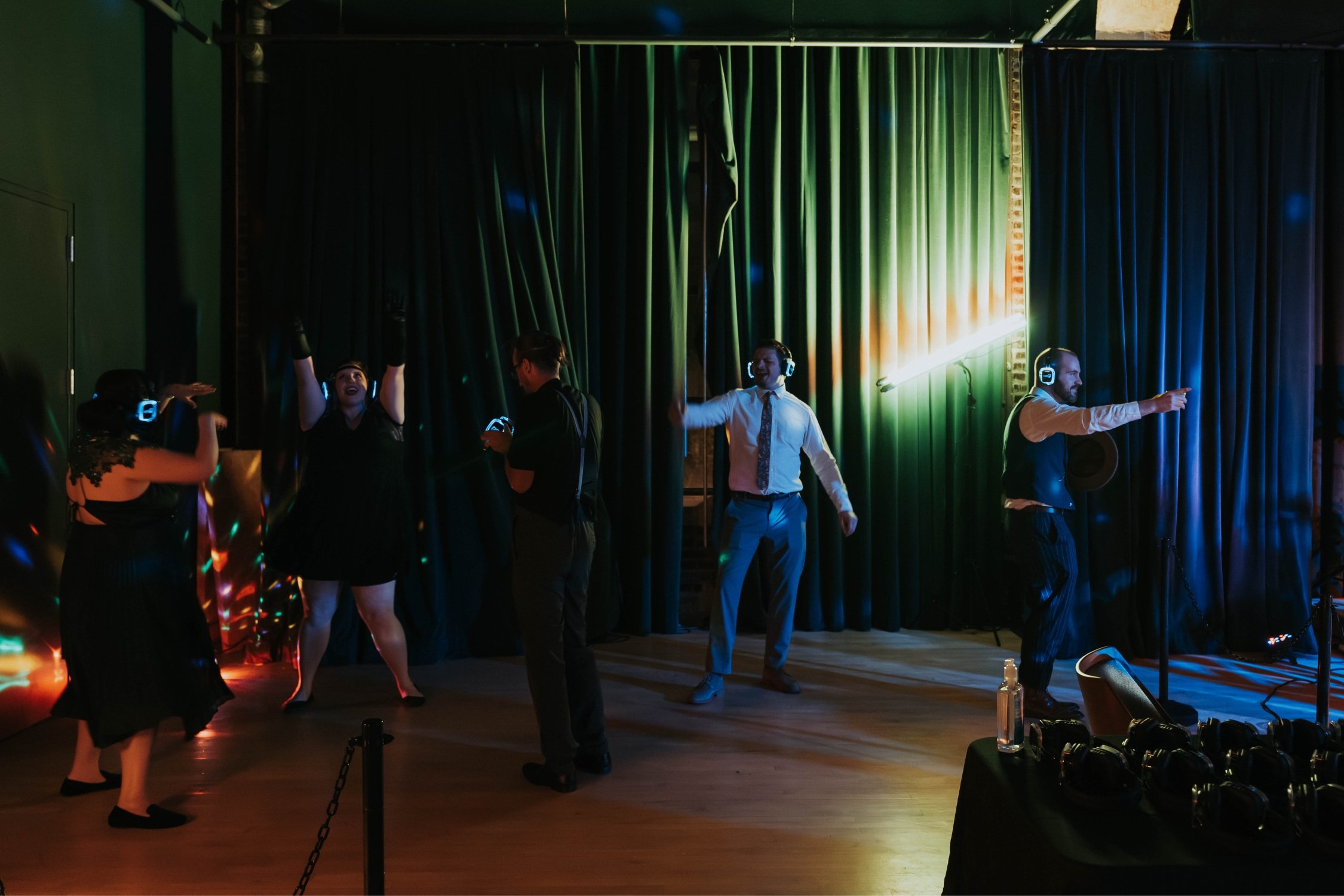
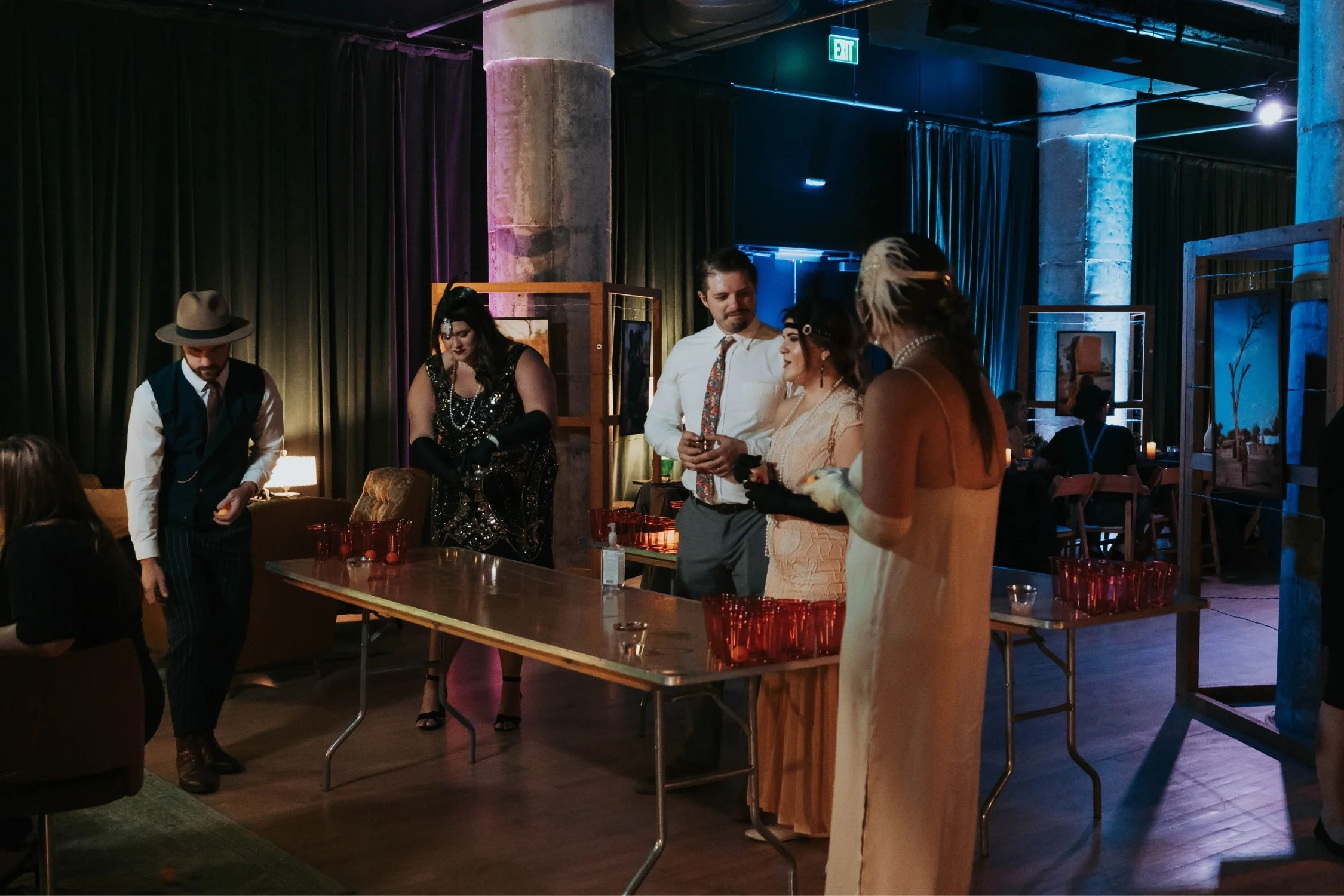
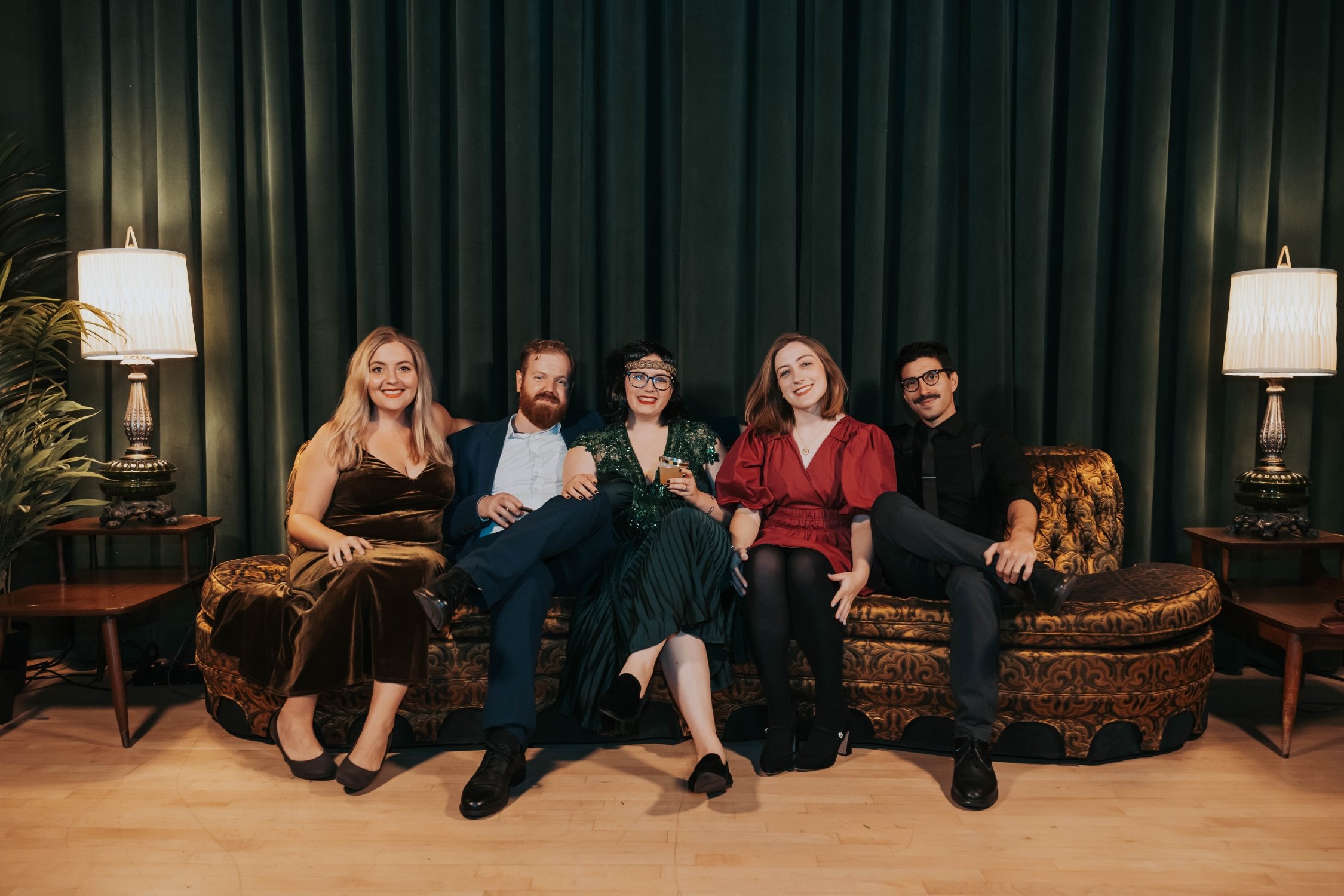
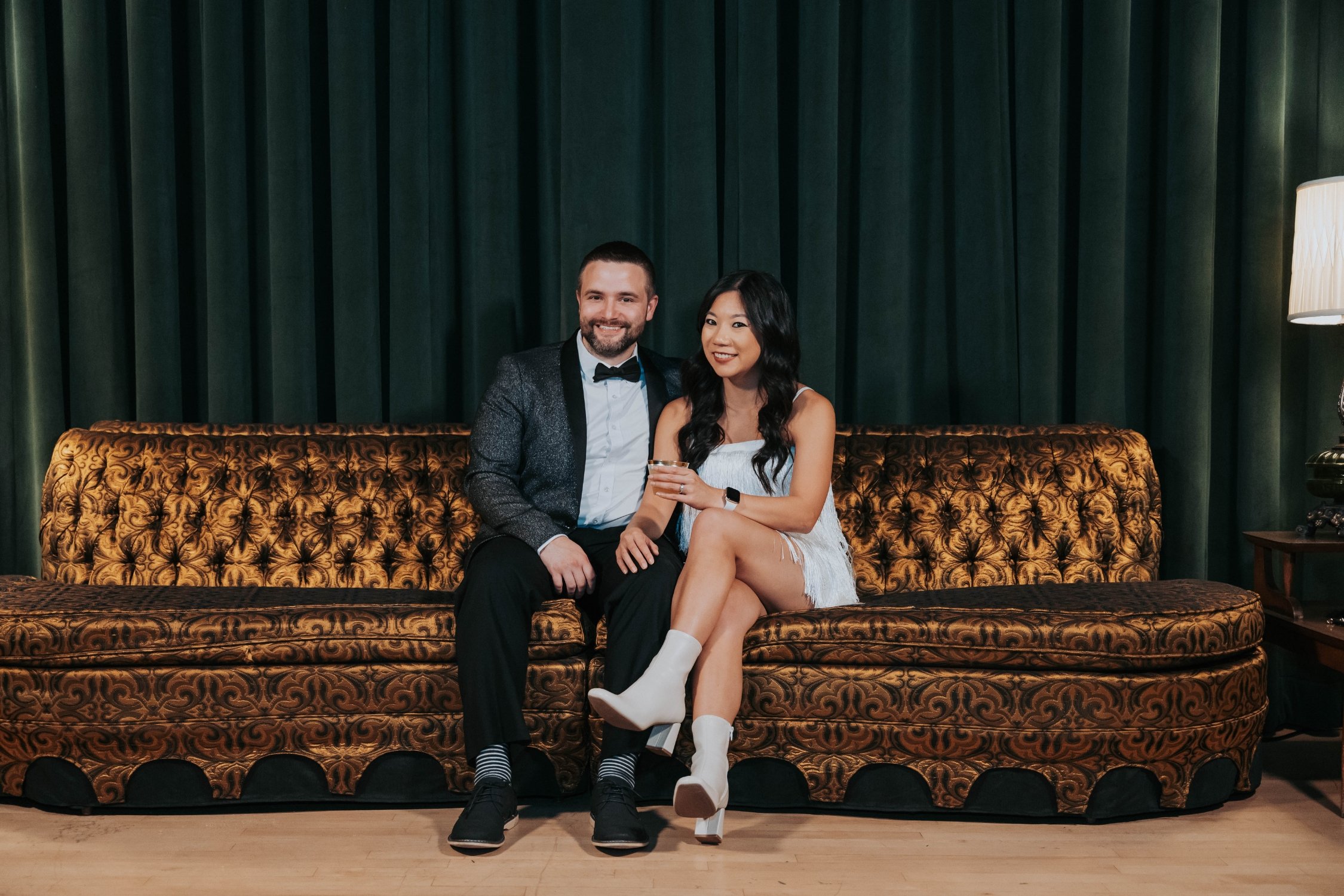
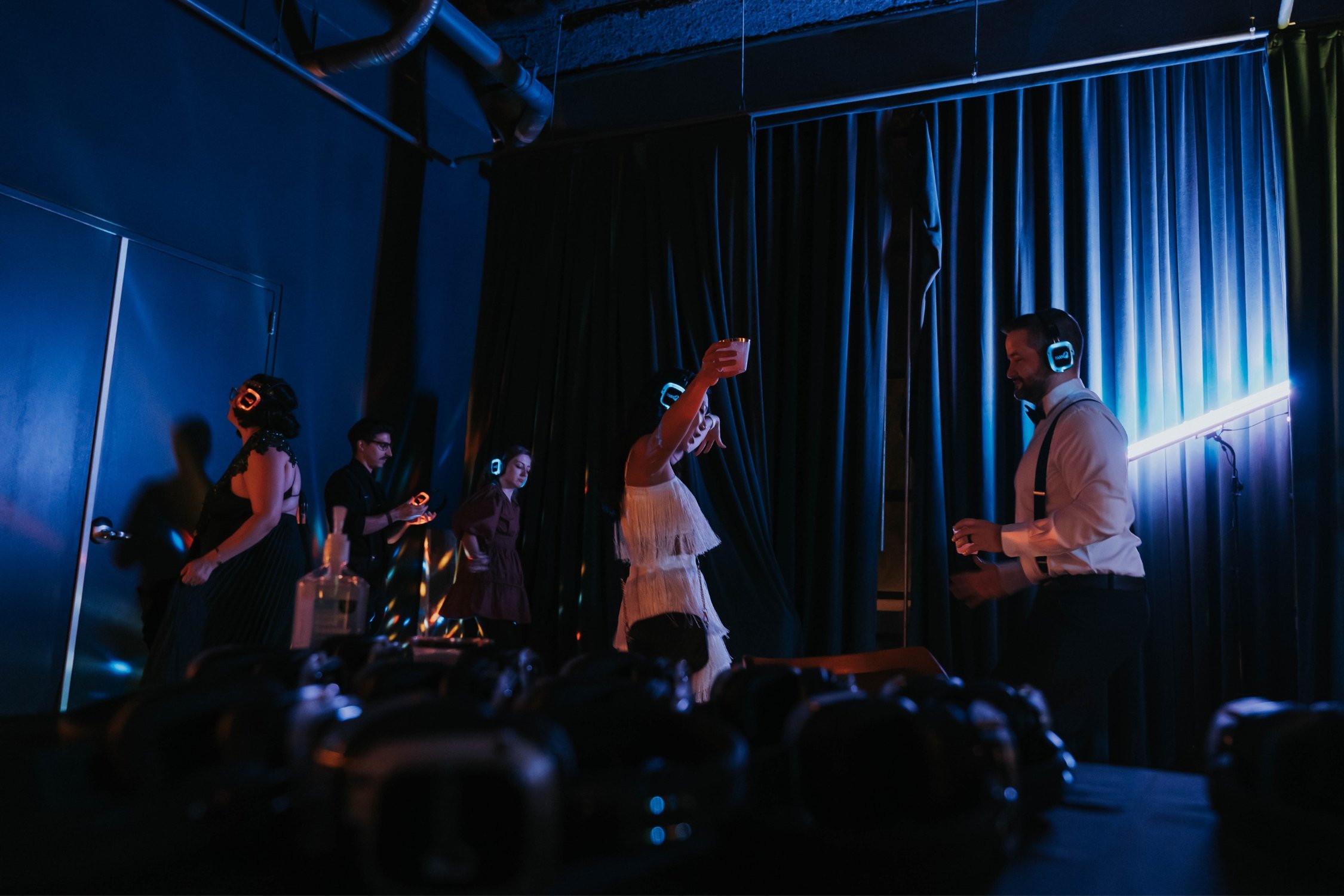
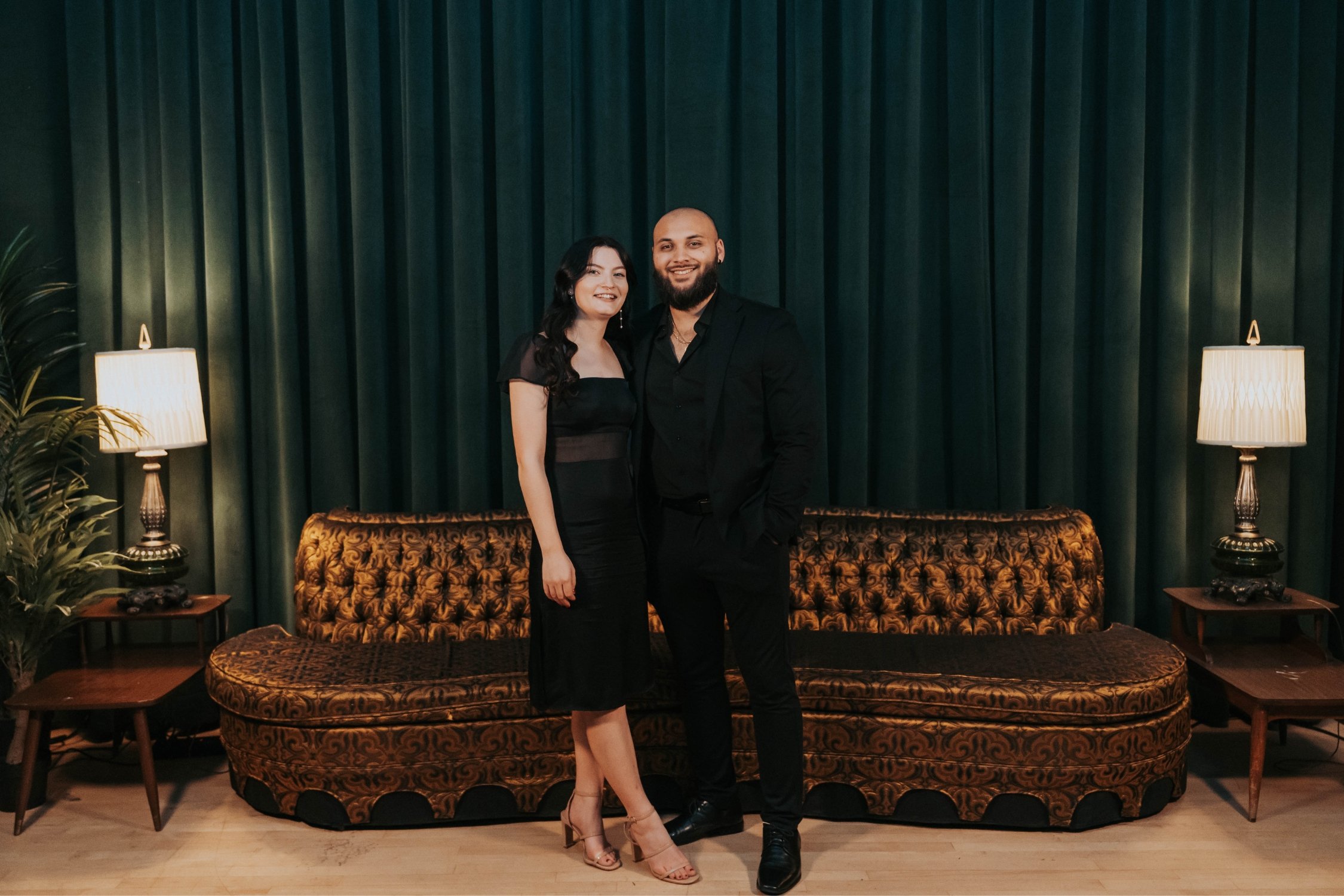
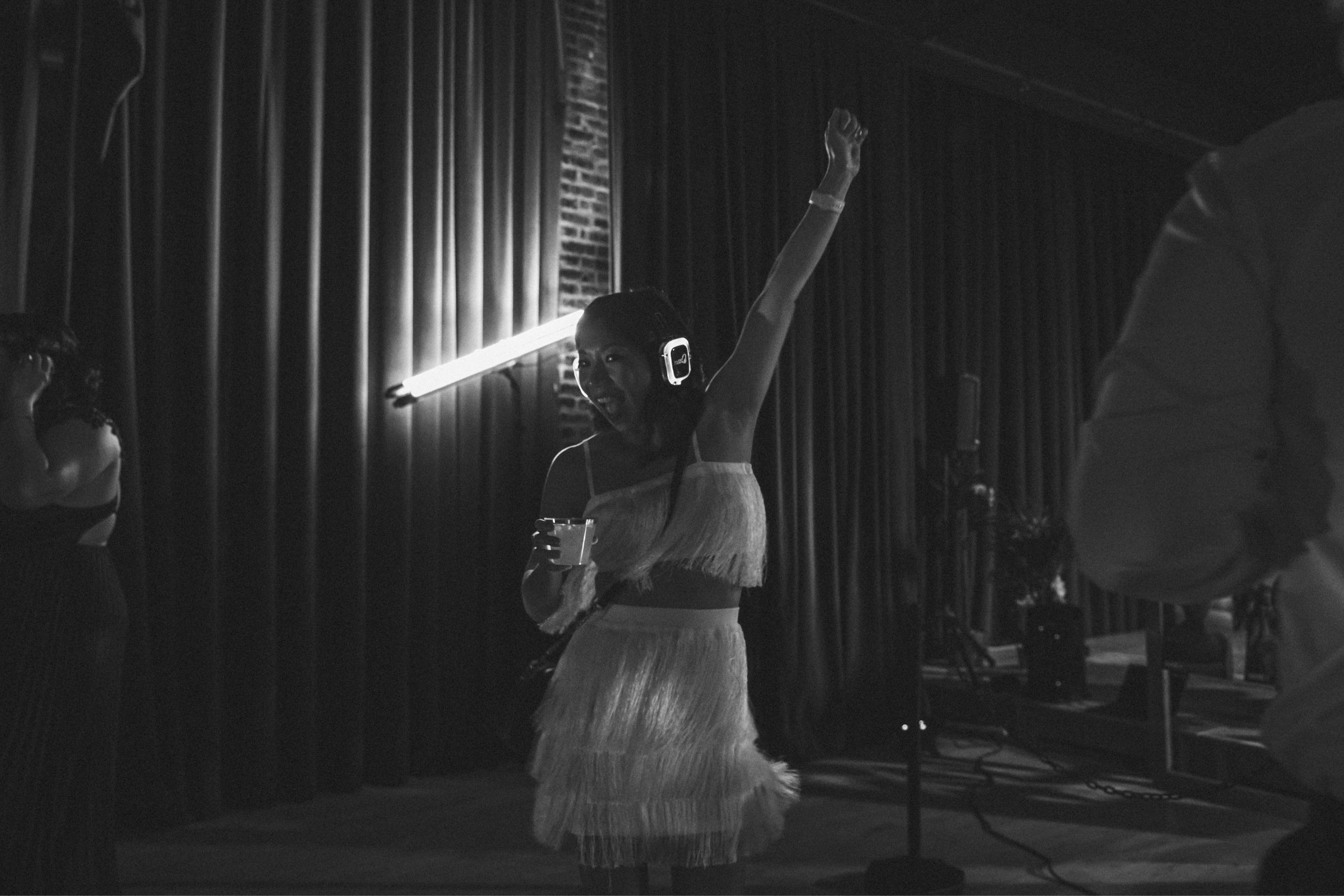
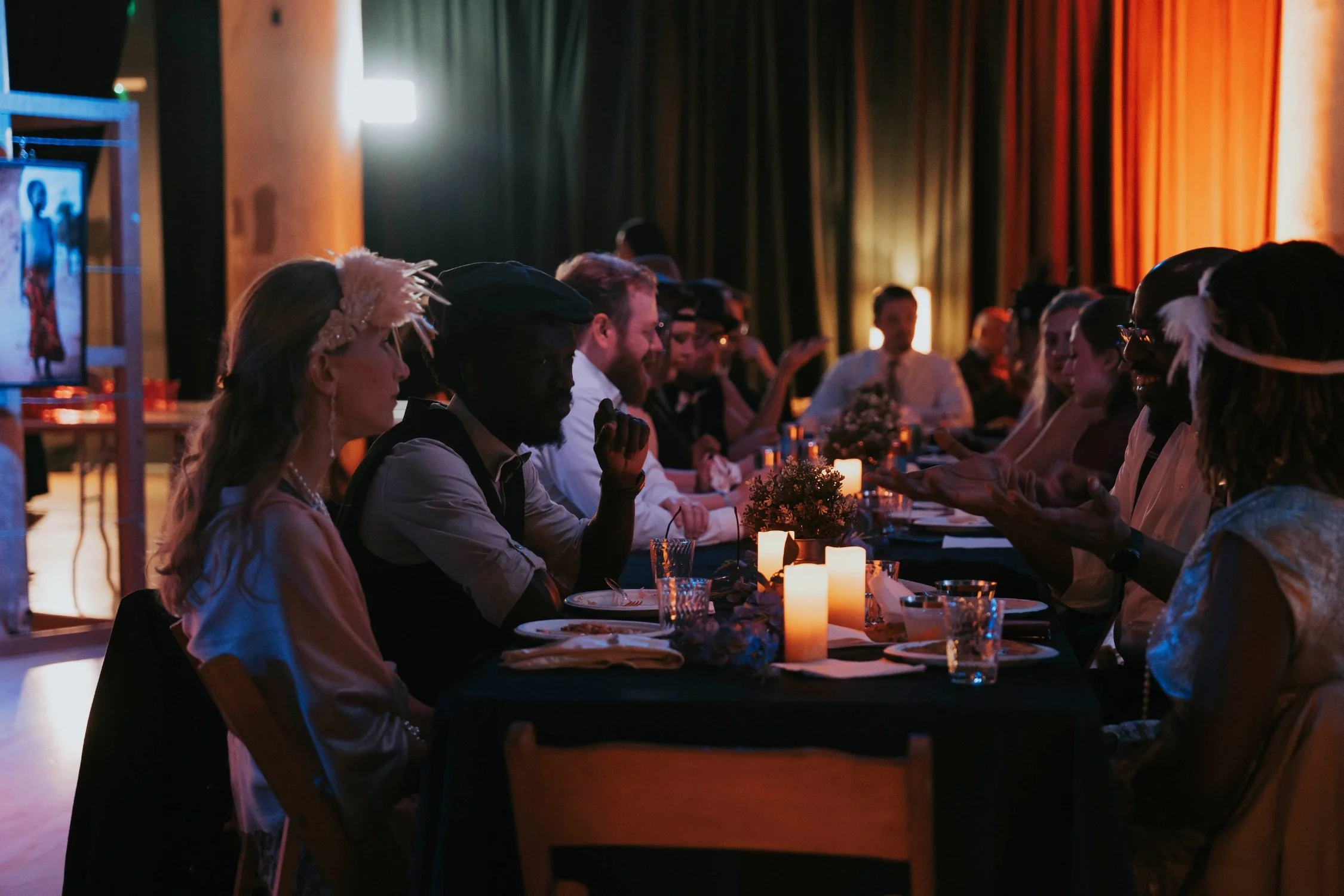
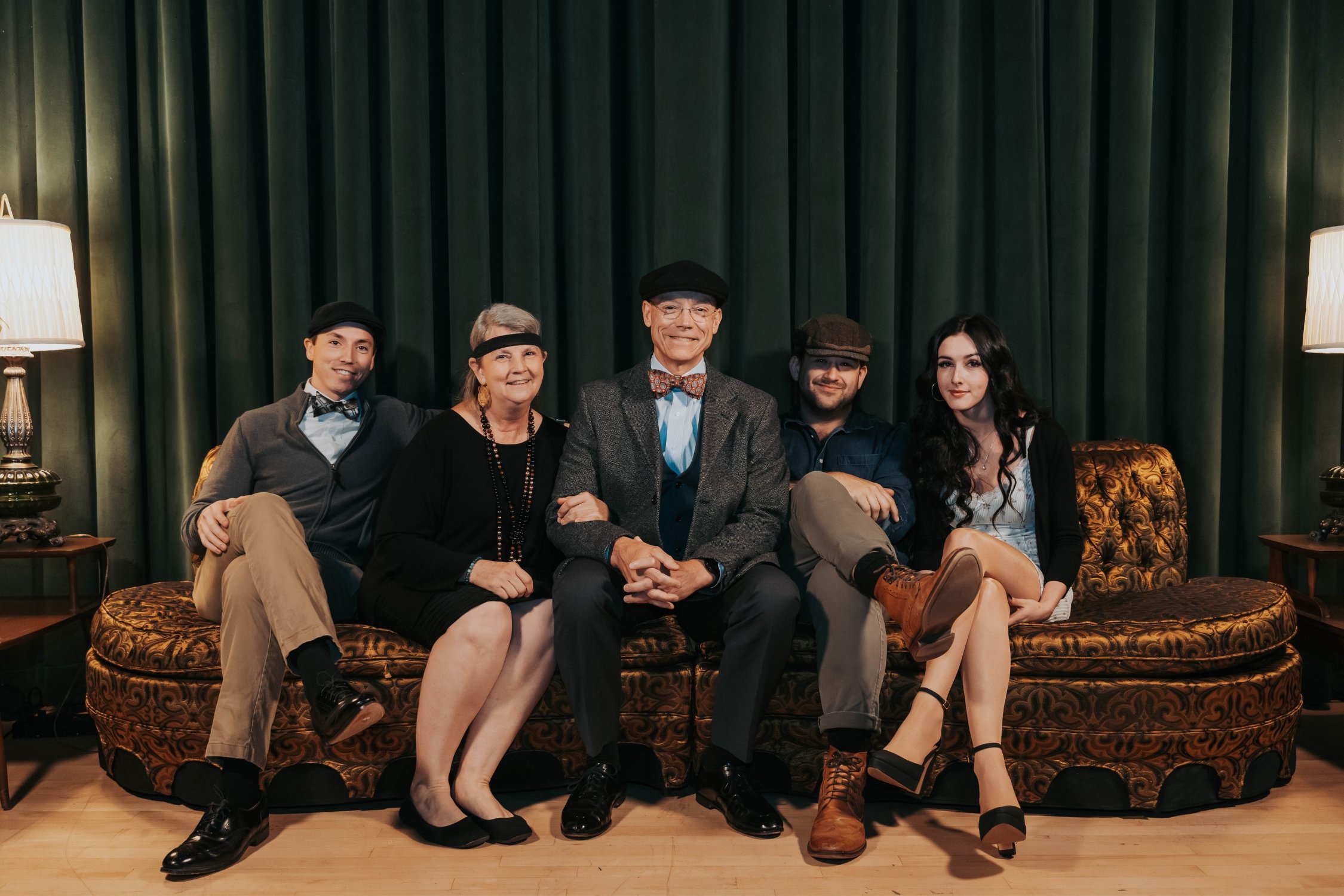
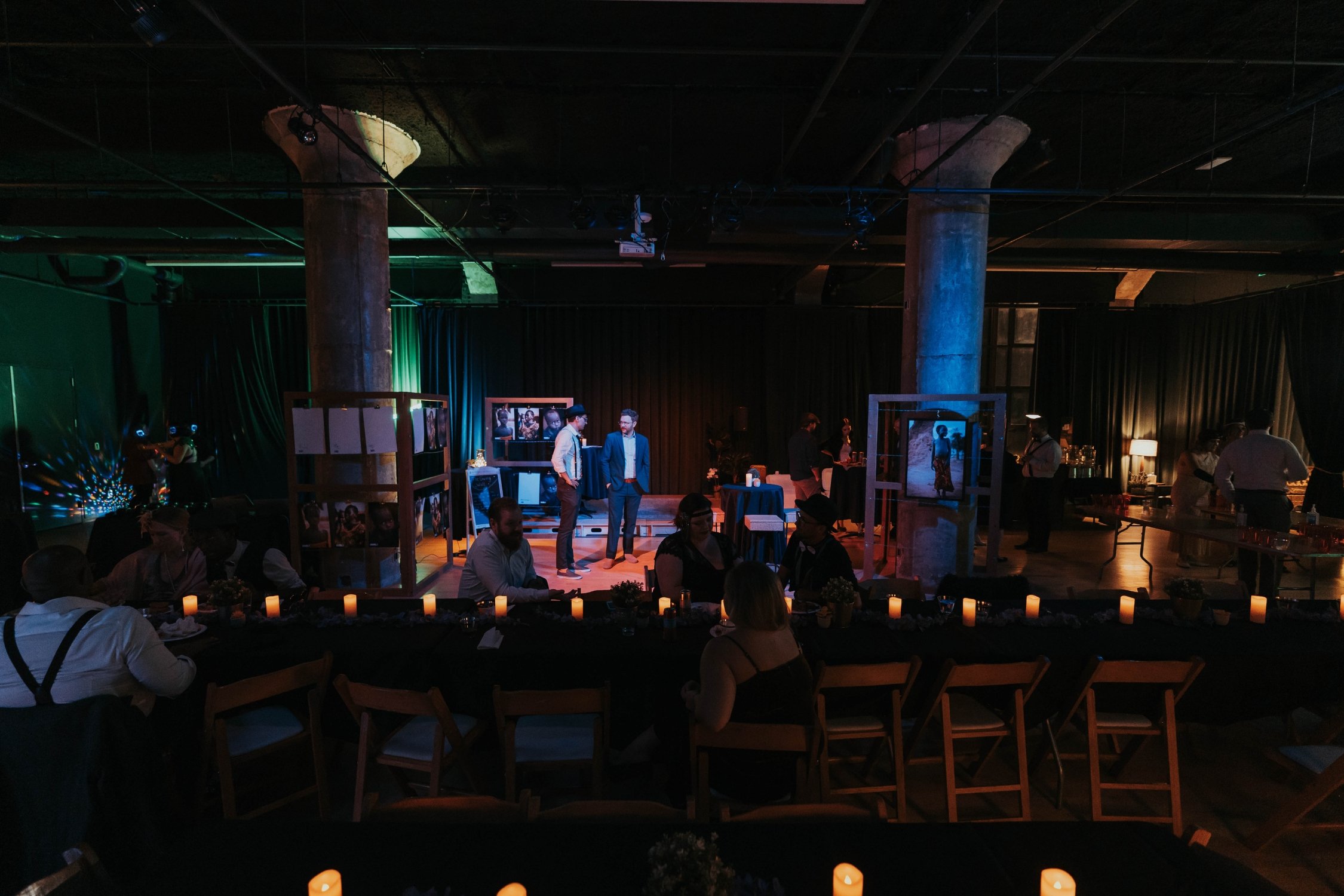
The evening was made possible by our sponsors: Silent Events, the Clandestine Underground, Madeline Rose Photos, Shelby Monteverde Fine Art, Whitney Winkler Art, the Episcopal Diocese of West Tennessee, Monogram Foods, and Novel Memphis.
We would also like to thank our promotional committee, event staff, and volunteers for working together to create such an intimate space!
Anya Schwartz, Tiffany Frizzell-Donnell, and Jackson Donnell served on our promotional committee.
Zack Jennings designed and served the Sudan and 1920s-themed cocktails for the evening.
Wandering Creative and Julian Harper captured the evening on camera.
Anya Schwartz, Stephen Hackett, Sara James, Taylor Austin, and Jacob Geyer assisted with setup and breakdown.
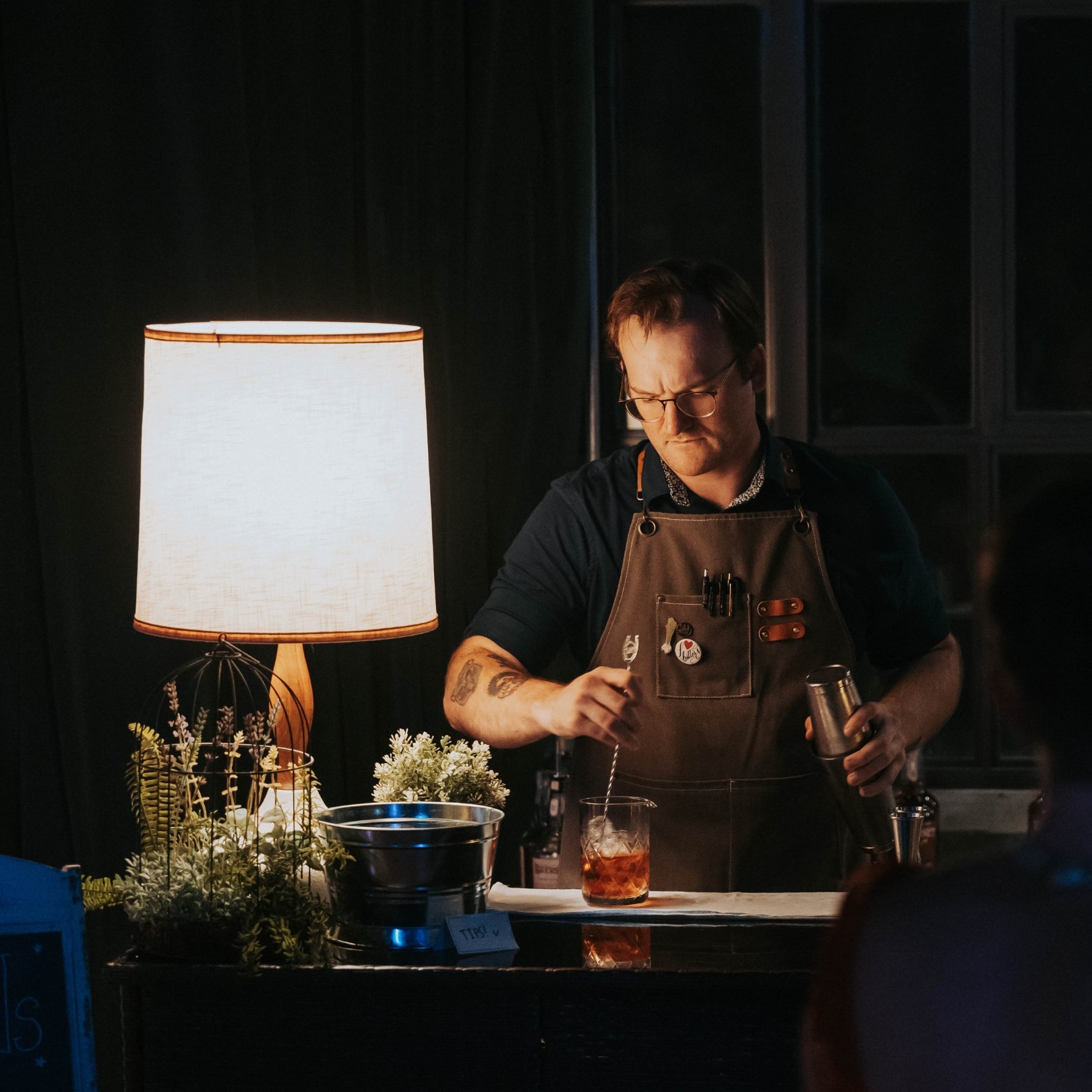
Download Photos
Hit the button below to download your photos, or find them and share on Facebook.
Stay Involved
The war in Sudan continues to cast a dark shadow over the work of our Sudanese partners. You can help them each and every month by joining our monthly giving family, The Renewal.
All of our Sudanese partners are struggling with rising costs. They need 100 of us to start giving monthly to help them continue their lifesaving work.
⚡️ Your first three monthly gifts will be matched by a private donor ⚡️
All members of The Renewal receive special perks, including a membership pin and welcome letter, discounted merch, and early access to new events and campaigns.
Members who give $35+ a month also receive free event tickets to our events! Learn more about the benefits of giving monthly.